Why the Strait of Hormuz is a warning for Japan
The maritime order has two aspects: a vertical order based on hegemony and command of the sea and a horizontal order based on norms and rules agreed upon among nations.
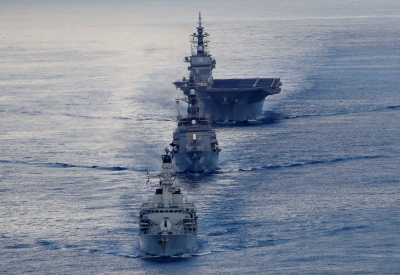
In February, U.S.-Israeli strikes on Iran led to the de facto blockade of the Strait of Hormuz. This incident, while a regional conflict, exposed weaknesses in the global maritime order with far-reaching consequences. Two key questions arose from this crisis: the resilience of the global maritime order and the impact on Japan's sea lanes in the Indo-Pacific region.
The maritime order consists of two components: a vertical order based on hegemony and naval command, and a horizontal order based on norms and rules agreed upon among nations. For decades, the United States has exerted global maritime dominance through its unparalleled naval capabilities. The United Nations Convention on the Law of the Sea (UNCLOS), which came into force in 1994, has served as the cornerstone of international maritime governance.
Written by urgent.news from Japan Times's reporting — not their text. Machine-written — may contain errors; check the original before relying on it.