Why the Arctic sea route has become so important for China and Russia
Since Chinese container ships began plying the Northern Sea Route three years ago, the Arctic shipping lane has gained global importance. Houthi attacks on commercial vessels in the Red Sea later that year disrupted traffic through the Suez Canal – the fastest route between Europe and Asia – in what was the most serious conflict-driven disruption since the Arab-Israeli war nearly six decades…
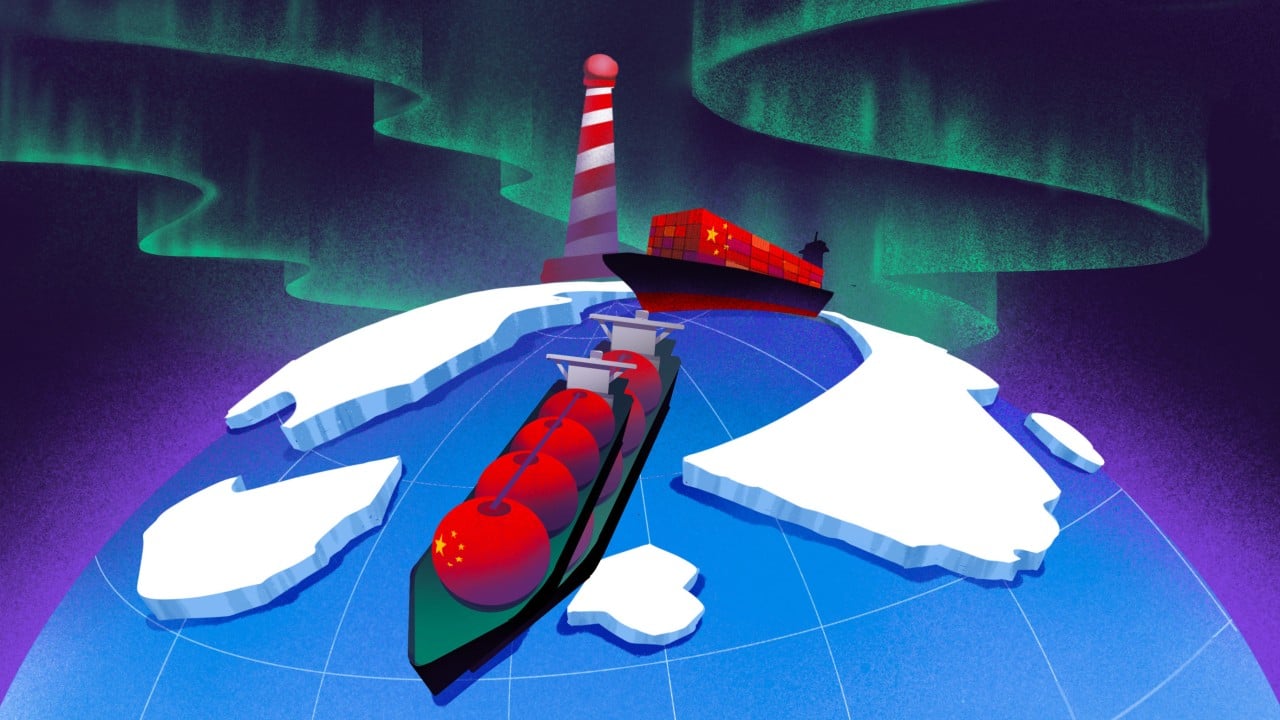
China and Russia have recognized the strategic importance of the Arctic sea route for their respective economies and global trade. As the polar ice melts due to climate change, this route has become more accessible, offering a faster alternative to traditional shipping lanes. The Northern Sea Route, spanning Russia's Arctic coast from the Barents Sea to the Bering Strait, was once impassable for most of the year but is now a seasonal shortcut between Europe and Asia.
Chinese container ships began using this route three years ago, and its appeal has grown since then. Conflicts in the Suez Canal and Red Sea, as well as piracy, have disrupted traditional shipping lanes, making the Arctic route increasingly attractive. It is crucial for China's maritime strategy, providing a route free of Western chokepoints and ensuring global connectivity.
Chinese and Russian governments are working together to promote the Northern Sea Route, with annual meetings and an information platform to assist Chinese companies. This route is also vital for China's energy security, as it transports liquefied natural gas from Russia. As climate change continues to impact global shipping, the Northern Sea Route is becoming an increasingly important alternative for international trade.
Written by urgent.news from Reuters Business via SCMP's reporting — not their text. Machine-written — may contain errors; check the original before relying on it.