Why Australia’s Getting Tough on China Again
Unlike other U.S. allies, Canberra is betting its entire strategic house on Pax Americana.
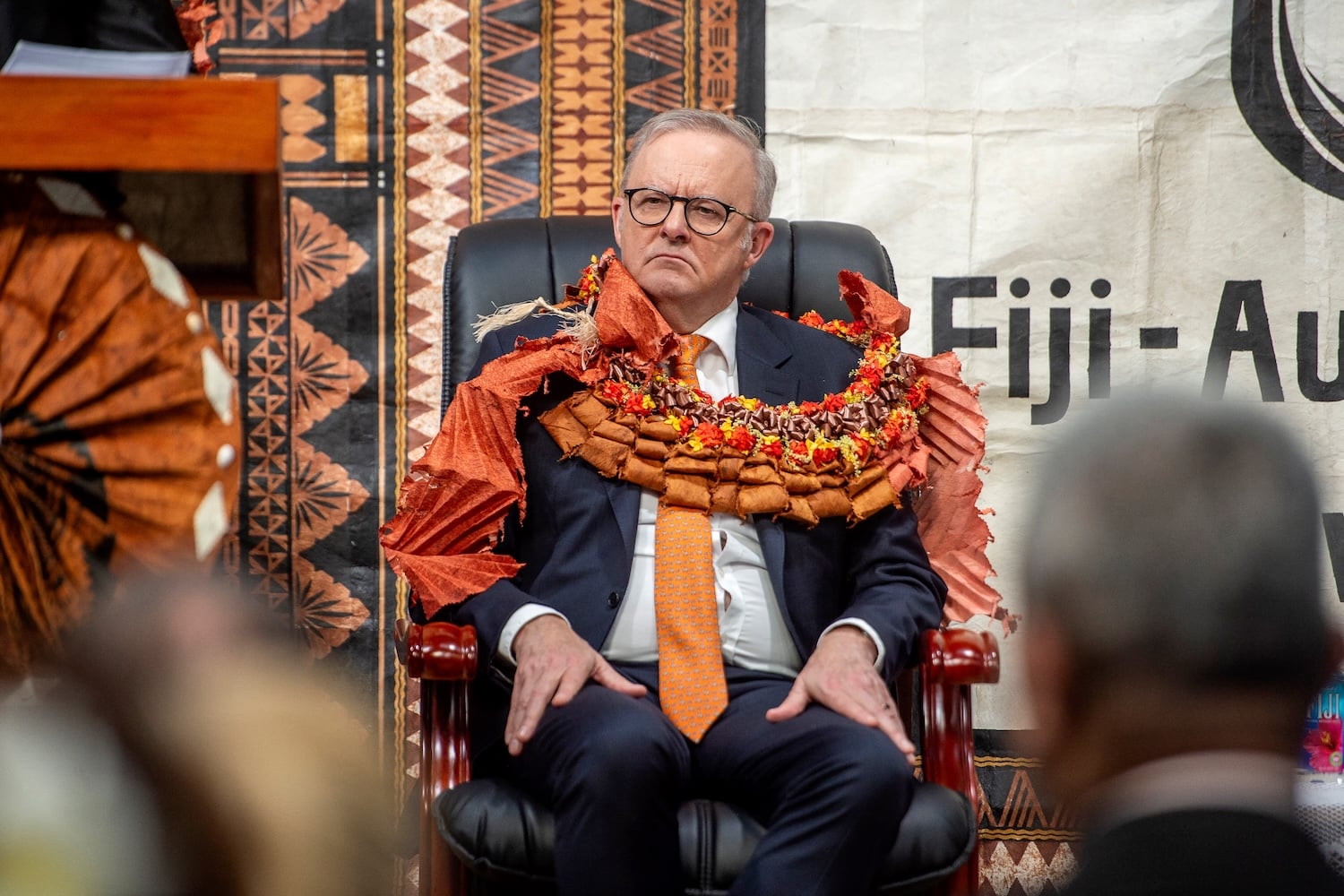
The Australian government, now under Prime Minister Anthony Albanese's Labor Party leadership, has turned its stance towards China more confrontational since taking office in 2022. Initially championing a "stabilized" relationship with China, the previous conservative government of Scott Morrison faced economic coercion from Beijing, leading to sanctions on Australian exports such as wine, barley, lobster, and coal. However, in December 2024, China lifted its final embargo on Australian lobster exports.
Despite ongoing high diplomatic tensions, economic complementarity between the two countries persisted, particularly in the resources sector. Australia's iron ore trade with China, which has sustained its national prosperity for decades, remained steadfast, with Beijing and Canberra's hawkish elements refraining from using it as leverage. Even as exports to China nearly doubled from $116 billion in 2017 to $218 billion in 2023, the Albanese government maintained a disciplined approach to the stabilization mantra.
Recently, however, Albanese's tone toward China has hardened. In a New York Times interview, he described Beijing's ambitions as "increasing their influence at a minimum, and hegemony in the longer term." This was the first time Albanese had spoken of China's strategic ambitions. Following this, Beijing tested a nuclear-capable missile in the Pacific, prompting Canberra to sign new defense alliances with Fiji, Papua New Guinea, and Vanuatu, as well as policing arrangements with the Solomon Islands and Tuvalu.
Albanese's recent statements contrast sharply with his earlier cautious remarks, such as when a Chinese research vessel appeared off the Australian coast; he had simply expressed the hope that it would not be there. China's Global Times noted that Albanese's comments may evoke the challenging period in China-Australia relations from a few years ago.
The shift in Australia's stance towards China is significant, especially considering the erosion of U.S. credibility among key Asia-Pacific allies under President Donald Trump's administration. This emerging "harder line" among Australian politicians suggests that the "China threat" narrative may once again become the prevailing orthodoxy within Canberra's national security establishment.
Written by urgent.news from Foreign Policy's reporting — not their text. Machine-written — may contain errors; check the original before relying on it.