Urgent.News

One page, thousands of outlets. See who else covered it.

Editions

World

White House attacks CNN reporter for question on Trump aide
White House attacks CNN reporter for question on Trump aide

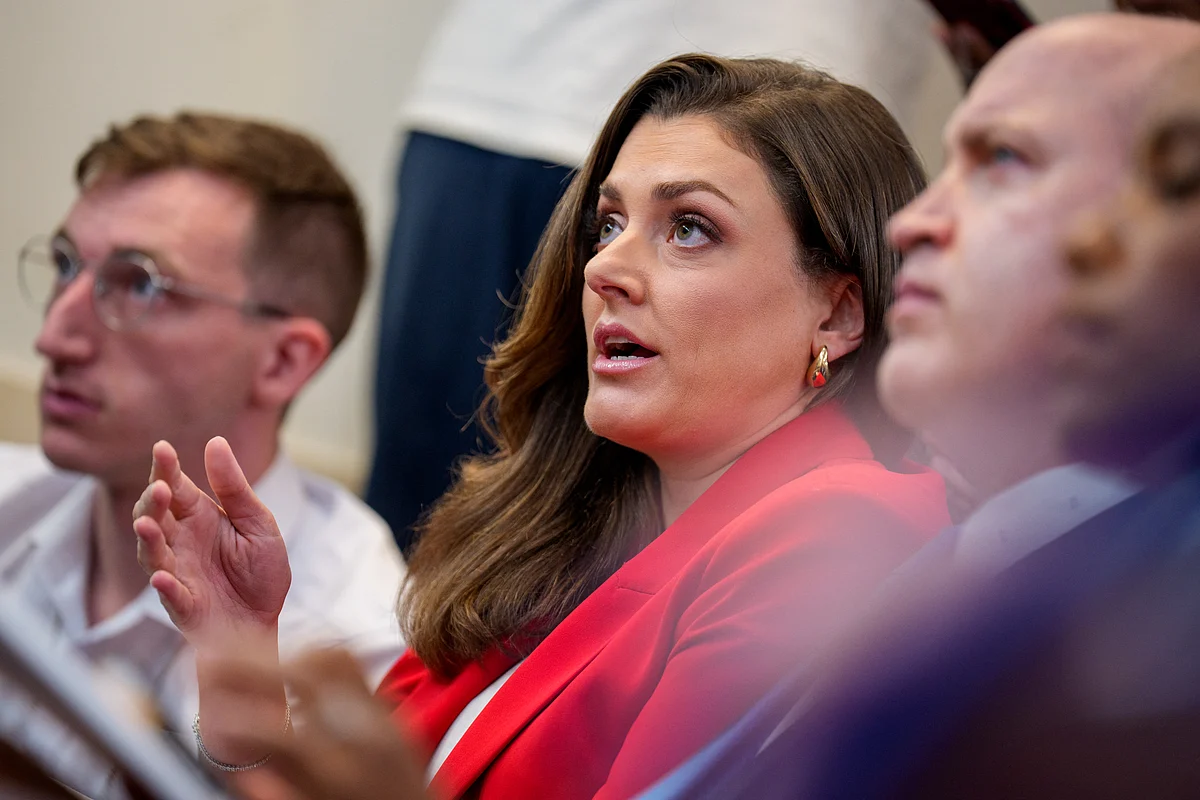
The White House vehemently rebuked a CNN reporter, Kristen Holmes, after she posed a question regarding President Donald Trump's rapport with an aide, Natalie Harp. This incident occurred during a gathering in the Oval Office, where Holmes inquired about comments made by a Democratic lawmaker concerning Trump's executive assistant.

The White House's Rapid Response team subsequently targeted Holmes on the social media platform X, linking to a video of Trump's reaction and labeling her comments as "disgusting and inhumane." In response, Trump publicly rebuked Holmes as "very disrespectful" when she directed her inquiry towards North Korea. The event was initially intended to celebrate a young lifeguard who had saved a drowning child, but Trump redirected the discussion to unrelated matters.

In contrast, CNN defended Holmes, asserting that her actions were "beneath the office" and refusing to accept the White House's attacks. Harp, who has been a close associate of Trump, has been a frequent topic of online debate following her presence at a secret Air Force One transfer in July.

Written by urgent.news from Gulf News's reporting — not their text. Machine-written — may contain errors; check the original before relying on it.

Read the original at gulfnews.com →

More in World

If you avoid three things in your 50s...you can delay dementia by 13 years A study published in the Journal of the American Medical Association (JAMA) Neurology on the 7th found that if people in their 50s avoid three risk factors for dementia, they can delay the onset of dementia by about 13 years. The research team, led by Dr. David A. Bennett of Rush University Medical Center in Chicago, analyzed data from 2,416 participants aged 50 to 89 who had not been diagnosed with dementia at the start of the study. The team identified three risk factors: hypertension, hearing loss, and smoking. They divided the participants into two groups: those who had none of the three risk factors and those who had at least one. They then compared the two groups to see how long it took for dementia to develop. As a result, the team found that people in their 50s who had none of the three risk factors developed dementia about 13 years later than those who had at least one risk factor. In particular, the team found that people with hypertension developed dementia 5.4 years earlier than those without hypertension, those with hearing loss developed dementia 3.2 years earlier, and smokers developed dementia 2.4 years earlier. The team emphasized that the risk factors for dementia are not limited to these three, and that there are many other risk factors that need to be managed. The study suggests that managing risk factors in one's 50s can have a significant impact on delaying the onset of dementia. The research team said, "The sooner you address risk factors, the better." They added, "The results suggest that delaying the onset of dementia can have a significant impact on reducing the burden of dementia."

More from Monday 17 August →