What was the Communal Award, that pitted Gandhi against Ambedkar
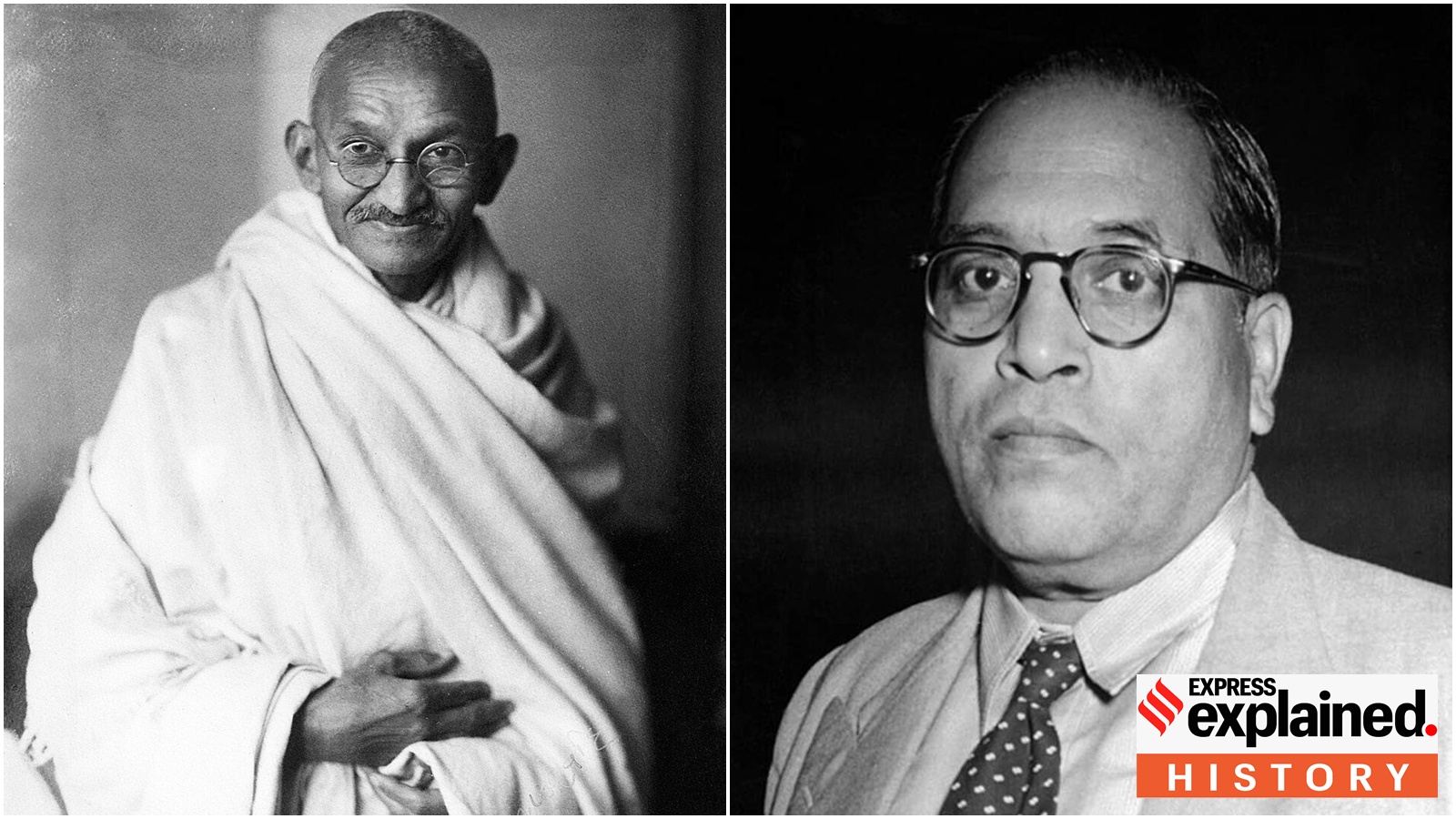
In September 1932, the Indian political landscape was dominated by a fierce controversy surrounding the Communal Award, which pitted Mahatma Gandhi against Dr. B.R. Ambedkar. The Communal Award, announced by British Prime Minister Ramsay MacDonald, granted separate electorates to various religious and ethnic groups, including the Depressed Classes (now known as Scheduled Castes) in India. The Depressed Classes, a historically oppressed caste, sought political representation and empowerment through separate electorates.
Gandhi vehemently opposed the Communal Award, arguing that it would create division and disruption within Hindu society. He maintained that separate electorates would not serve the Depressed Classes' best interests, as they were not an act of penance or a remedy to their problems. Instead, Gandhi insisted on a national unity and advocated for the eradication of untouchability.
Ambedkar, on the other hand, supported the Communal Award and believed that separate electorates were essential for the Depressed Classes to have their own representation in legislatures. He argued that upper-caste reformers like Gandhi could not adequately represent their interests.
The conflict between Gandhi and Ambedkar escalated as both leaders prepared for a fast unto death to push their respective causes. Gandhi began his fast on September 20, 1932, in Poona, vowing to continue until the British government reversed its decision or he died. Ambedkar joined the fast negotiations in Bombay, where they eventually reached an agreement known as the Poona Pact.
The pact abandoned separate electorates for the Depressed Classes but increased their reserved seats in legislatures, leading to a more inclusive political representation. Despite the pact, both leaders continued to advocate for social harmony and equality in India.
Written by urgent.news from The Indian Express's reporting — not their text. Machine-written — may contain errors; check the original before relying on it.