What Independence Day means between the tricolour and the traffic lights
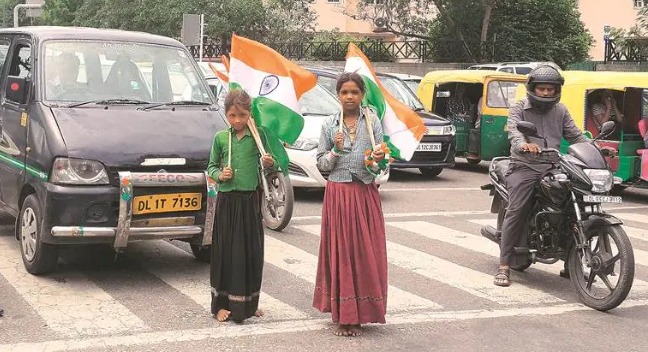
Every August 15, India grapples with its own identity. Some argue whether true freedom has been achieved, while others celebrate the nation's progress on Independence Day. The paradox is epitomized by a poor child selling tricolour flags at a traffic signal, amidst the Prime Minister's address from the Red Fort and a flurry of flags, patriotic songs, military pride, cultural events, and television broadcasts.
This phenomenon, described by social psychologist Michael Billig as "banal nationalism," is cultivated through everyday habits, films, symbols, and rituals. While one side highlights poverty, inequality, and exclusion, the other emphasizes rising incomes, welfare schemes, education, and social mobility. This dichotomy can be illustrated by the tension between social mobility discourse and anthropologist Sherry Ortner's "dark anthropology," which focuses on domination, exclusion, and violence.
Fieldwork in remote southern Odisha revealed this contradiction firsthand. Many Dalits and Adivasis faced extreme poverty in the 1970s and 1980s, surviving on limited food sources and living in mud huts. Today, they enjoy state-provided rations, which represent a tangible freedom. Simultaneously, they actively opposed oppressive structures like moneylenders, forest officials, and feudal practices.
The state, however, could be both a source of opportunity and a tool of exploitation. Dalit teachers and activists challenged these arrangements, such as the provision of hostel facilities for marginalized students. Migration, too, presents a complex picture. Dalit laborers from Bihar in Tamil Nadu suffer from precarious jobs, yet some in Kerala earn higher wages and strive to return home with improved living conditions for their families. This highlights how migration can simultaneously create exploitation and opportunity.
Politics also reflects this complexity. During the 2024 general election, Hindutva politics aimed to mobilize voters through religious identity, but many Dalit voters distanced themselves from the BJP due to concerns over constitutional and reservation rights. This shows that marginalized citizens engage with politics based on their unique experiences and aspirations, rather than being mere passive victims of political manipulation.
Written by urgent.news from The Indian Express's reporting — not their text. Machine-written — may contain errors; check the original before relying on it.