Urgent.News

One page, thousands of outlets. See who else covered it.

Editions

World

Venezuela: Verhandeln unter US-Aufsicht – Amerikas Machtspiel in Caracas

Regierung und Opposition verhandeln in Venezuela über Reformen und Neuwahlen. Doch welche Rolle spielen die USA – Vermittler, Schiedsrichter oder Machtfaktor mit eigenen Interessen?

Venezuela: Verhandeln unter US-Aufsicht – Amerikas Machtspiel in Caracas

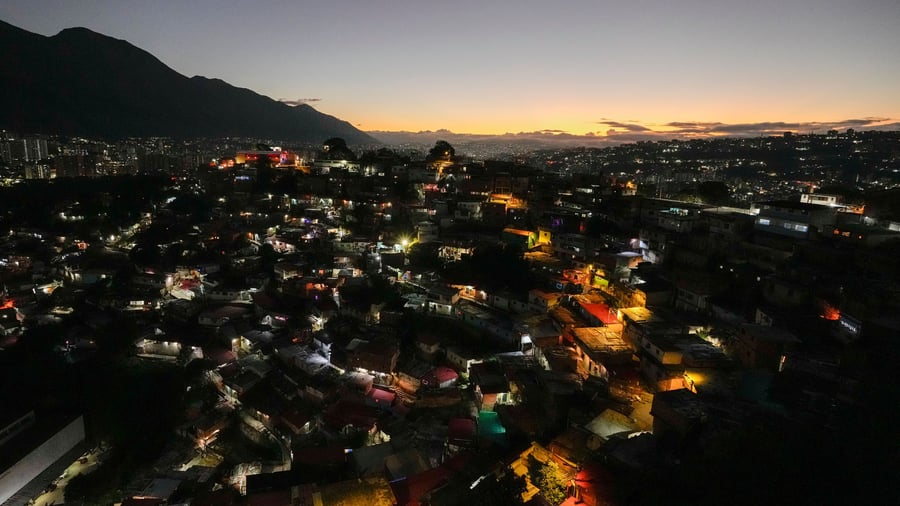
In Venezuela, negotiations between the government and opposition have taken place 17 times since 2002, but with little success. The 18th round of talks has begun in Caracas, but with a new twist compared to previous rounds. Alongside six representatives each from the government and opposition, there are also representatives from the United States at the table.

The focus of the discussions is institutional reforms, political rights, and conditions for future elections. The key difference from earlier negotiations is that the US representatives are not just mediators, but almost like powerful arbiters with their own interests in mind. The US initiated these negotiations on August 6th, despite objections from Jorge Rodríguez, the former Speaker of the Venezuelan Parliament, who considered talks on democratization disrespectful due to the humanitarian disaster caused by the June earthquake.

The US ignored Rodríguez's position and declared that Venezuela is entering a transition process towards democracy. The US flew six congressmen based in Madrid to Caracas for protection. The last Venezuelan legislature elected in free and fair elections was in 2015. The former opposition Speaker Dinorah Figuera led the delegation.

They are planning to meet several times in the coming months. Government and opposition have agreed on a timeline: ideally, many political prisoners should be released by October. The Supreme Court and the electoral council are to be reappointed a month later. Both institutions recognized the disputed presidential election of July 2024 as legitimate, despite opposition and international observers considering it manipulated.

Without personnel changes in these institutions, it would be almost impossible to hold fair elections. Negotiations will also discuss the release of Venezuela's $4 billion gold reserves held in the Bank of England for earthquake disaster relief. In Caracas, the new negotiation round and chances for success are viewed differently.

Skeptics point out that representatives of a congress elected eleven years ago have little political legitimacy. Moreover, the US-selected congressmen have lived in exile for many years and have little insight into the political and social reality of Venezuela. Some opposition members who were victorious in the disputed presidential election two years ago are also present.

They claimed victory based on evaluated ballots. Despite being away from Venezuela for two years since the disputed election, Machado expects to win the presidency again according to Venezuelan sources. This is believed to be credible by many in Caracas, even those who previously dismissed Machado as too conservative or uncompromising.

However, Machado is currently abroad. The US has made it clear that they would not allow Machado's return, fearing she could boycott any compromise between opposition and government. Machado has now declared she will not obstruct negotiations and will wait for the results. Supporters of negotiations point out that the regime would lose something if it doesn't show compromise - or gain something: in the best case, it could hope for an end to US sanctions or foreign financial aid.

It would also be crucial for regime survival to guarantee immunity for leaders in case of lost elections. The regime still hopes for a popularity boost that economic recovery might bring. A new framework for discussions was established when US- captured former President Nicolás Maduro was arrested by the US in January. Maduro had used negotiations as an instrument to keep his regime in power, making concessions and then not sticking to the agreements.

This might not be the case with Delcy Rodríguez, as the US now holds the reins in Venezuela. While it seems Trump's ambitions in Venezuela are largely fulfilled with continued oil and gold deliveries to the US, Rubio aims to establish a stable political system in Venezuela, ideally a democracy, as he often emphasizes. This could boost his chances in the US presidential race in 2028.

Venezuela has been the only major foreign policy action of the Trump administration widely viewed positively.

Written by urgent.news from Handelsblatt's reporting — not their text. Machine-written — may contain errors; check the original before relying on it.
Read the original at handelsblatt.com →

More in World

More from Monday 17 August →