USB4 vs USB-C explained: Speeds, cable lengths and the one spec that nobody reads
USB-C and USB4 get confused constantly, but they describe different things. USB-C is the reversible connector introduced in 2014. USB4 is the 2019 standard that decides what runs through it, guaranteeing 40Gbps, DisplayPort support and Power Delivery. Every USB4 cable uses USB-C, yet most USB-C cables are not USB4. Here is what the speeds, cable lengths and confusing USB-IF naming actually mean…
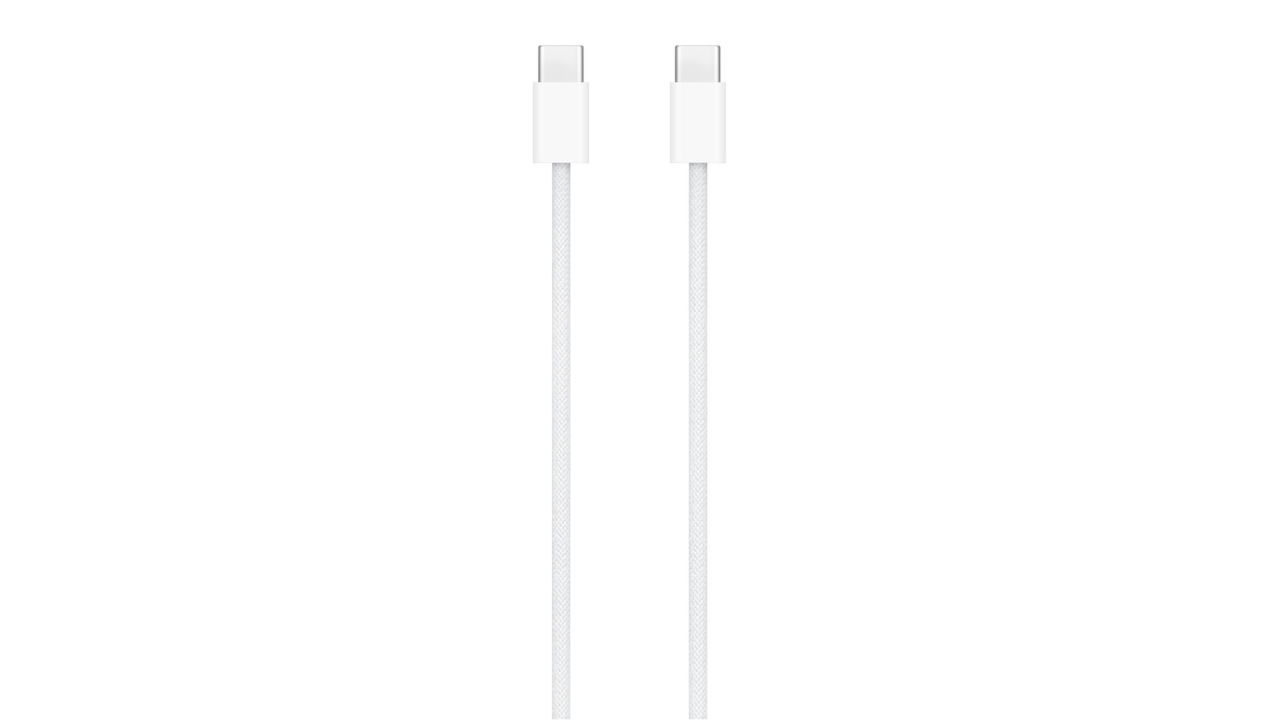
USB4 and USB-C are often confused with each other because they share the same physical connector. However, they serve different purposes. USB-C is a shape, while USB4 is a set of rules that dictate what the wires inside can do. USB4 is a specific protocol that allows for faster speeds, video output, and power delivery, as opposed to USB-C which can run various protocols at different speeds.
USB4 cables are USB-C cables, but most USB-C cables are not USB4. The key difference lies in the speed and capabilities of the cables, with USB4 supporting speeds up to 40Gbps and enabling features like DisplayPort and PCIe traffic, as well as dynamic bandwidth allocation. USB4 cables have limited length before their performance drops, while USB-C cables can be longer but may still suffer from performance issues depending on the speed and capabilities of the cable.
Written by urgent.news from Times of India's reporting — not their text. Machine-written — may contain errors; check the original before relying on it.