US Treasury seeks public comment on GENIUS Act stablecoin rules
Under the law, entities generally cannot issue payment stablecoins in the U.S. without obtaining an appropriate federal or state license.
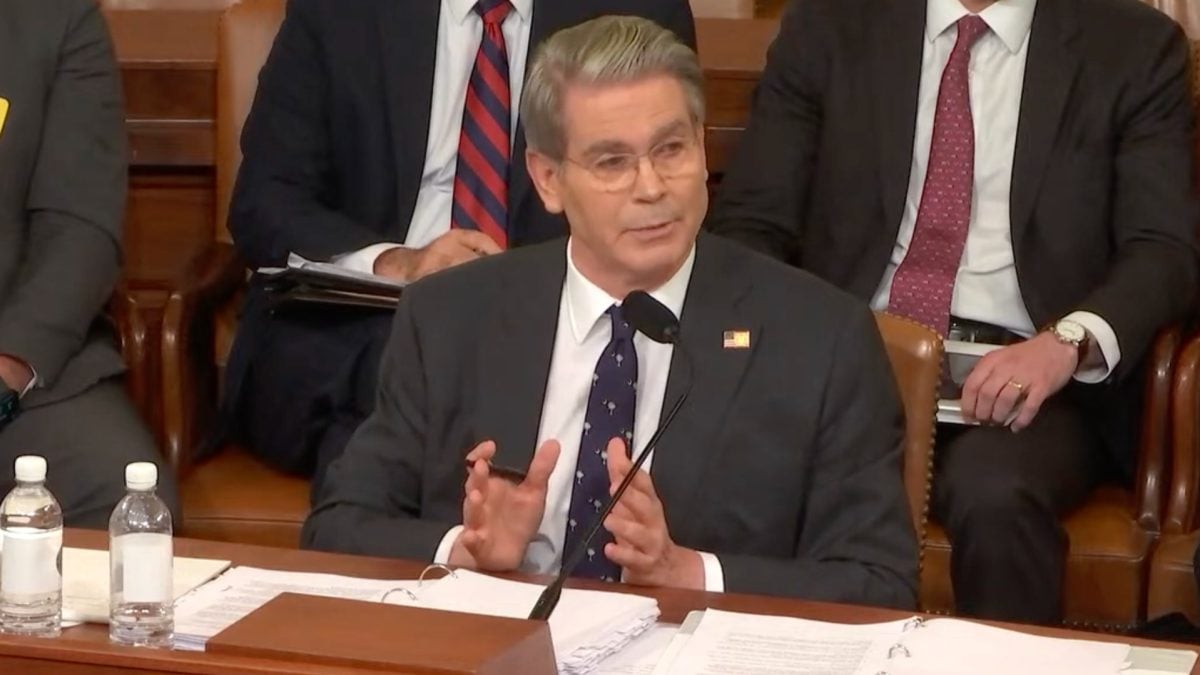
The U.S. Treasury Department has proposed new regulations under the Guiding and Establishing National Innovation for U.S. Stablecoins (GENIUS) Act, outlining how it defines U.S. stablecoins and which entities must comply with the rules. Treasury Secretary Scott Bessent emphasized the administration's urgency to provide regulatory certainty for businesses, safeguard the dollar's reserve status, and maintain the U.S. as the global crypto hub.
The proposal aims to treat stablecoins as a unique domain, drawing from established securities laws while considering the law's explicit intent for stablecoins to function as effective payment methods. The rule, initially introduced in a September advance notice, will now undergo public comment, with a 60-day window for feedback.
The final decision is expected to take several months, following which the Treasury will address numerous questions regarding the best course of action. The industry, particularly large players like Tether, will closely monitor how the proposal addresses foreign issuers. The GENIUS Act aims to be fully implemented by January 18, but it is unlikely that all rules will be finalized in time, given the usual transition periods for new regulations.
Concurrently, efforts in Congress to pass the Digital Asset Market Clarity Act, which seeks to revise certain aspects of GENIUS, face uncertainty due to its failure to pass key votes.
Written by urgent.news from CoinDesk's reporting — not their text. Machine-written — may contain errors; check the original before relying on it.
This story
This is one outlet's version. Read the fullest account.