US regulator approves bank charter for Trump-backed crypto company World Liberty Financial
The charter, if ultimately approved at a later date, would allow World Liberty, through the newly created trust bank, to manage and hold assets on behalf of customers and settle payments faster. It does not generally permit deposit-taking or lending like traditional banks.
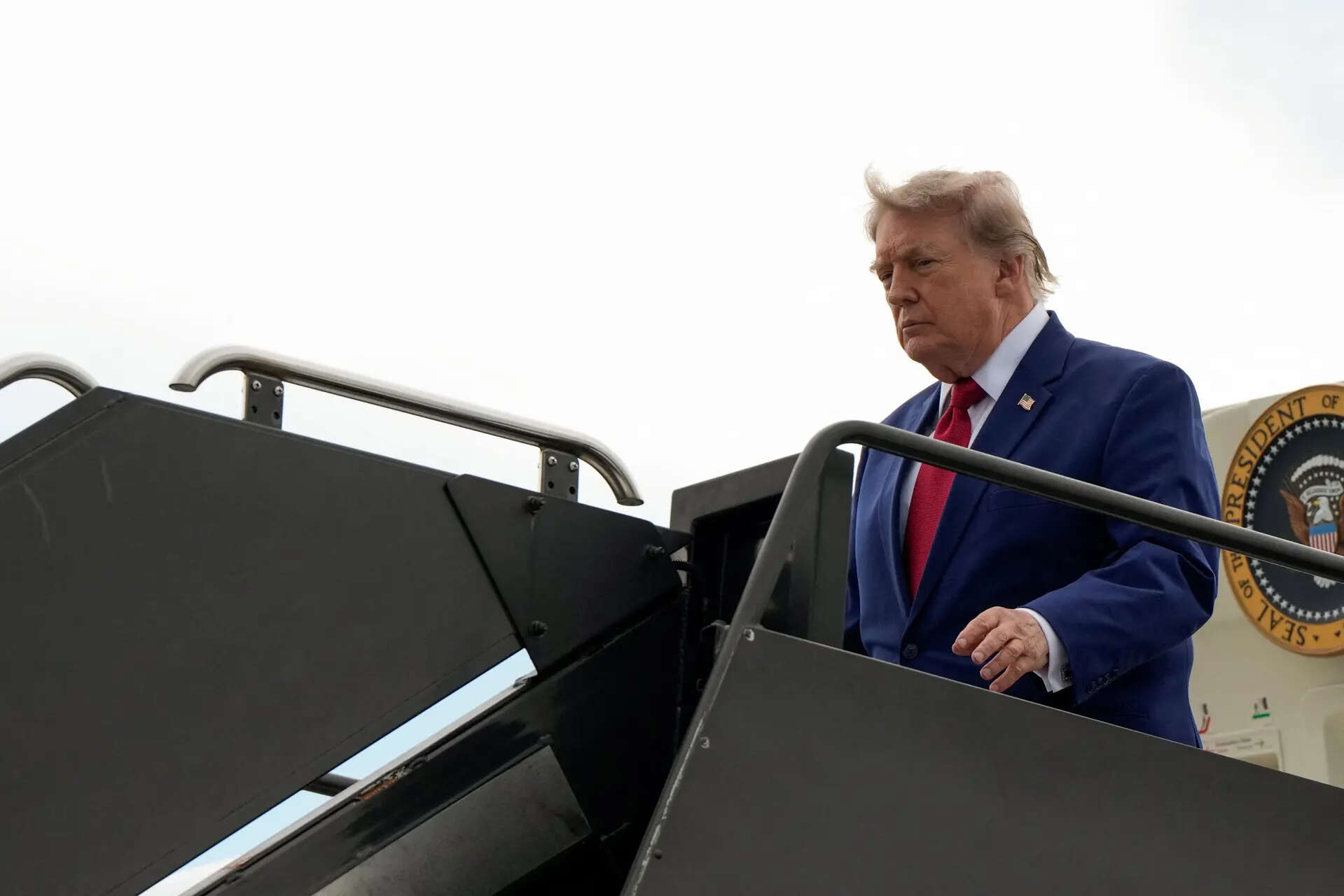
The Office of the Comptroller of the Currency (OCC) conditionally approved a bank charter application for World Liberty Trust Company, a venture linked to President Donald Trump and his family's crypto company, World Liberty Financial. The approval, granted in January, would enable the newly formed trust bank to manage and hold assets on behalf of customers and settle payments more swiftly.
This type of charter, typically not granted to traditional banks, allows crypto companies to hold assets for clients across the nation and perform other settlement and asset-related services. World Liberty Financial's USD1 stablecoin and the U.S. dollar backing it are currently managed by a partner, BitGo. The firm welcomed the conditional approval, calling it a significant step in its plans to open a bank.
The charter, however, is subject to several conditions, including notifying the regulator of any major business changes, maintaining at least $20 million in capital, and appointing a qualified employee as the firm's internal audit manager. The OCC noted comments raising concerns about non-U.S. investors in World Liberty Financial, which were not considered principal shareholders.
The regulator assured that such investors had signed "passivity agreements" pledging not to control or influence the bank's operations. World Liberty Trust's leadership is closely tied to Trump allies, with Zach Witkoff, the son of Steve Witkoff, serving as CEO, and Steve Witkoff's brother Robert Witkoff as a director. The OCC's approval is part of its oversight role, with Democrats expressing concerns about potential conflicts of interest.
Written by urgent.news from Economic Times Tech's reporting — not their text. Machine-written — may contain errors; check the original before relying on it.