US Moves to Advance Trump’s Gaza Peace Plan
The Donald Trump administration has intensified its diplomatic efforts to try to unblock its peace plan for Gaza, which has stalled due to differences between Israel and Hamas over the sequence of measures that should be implemented. The most significant move came in Egypt, where Jared Kushner, the U.S. president’s son-in-law and adviser, held an […]
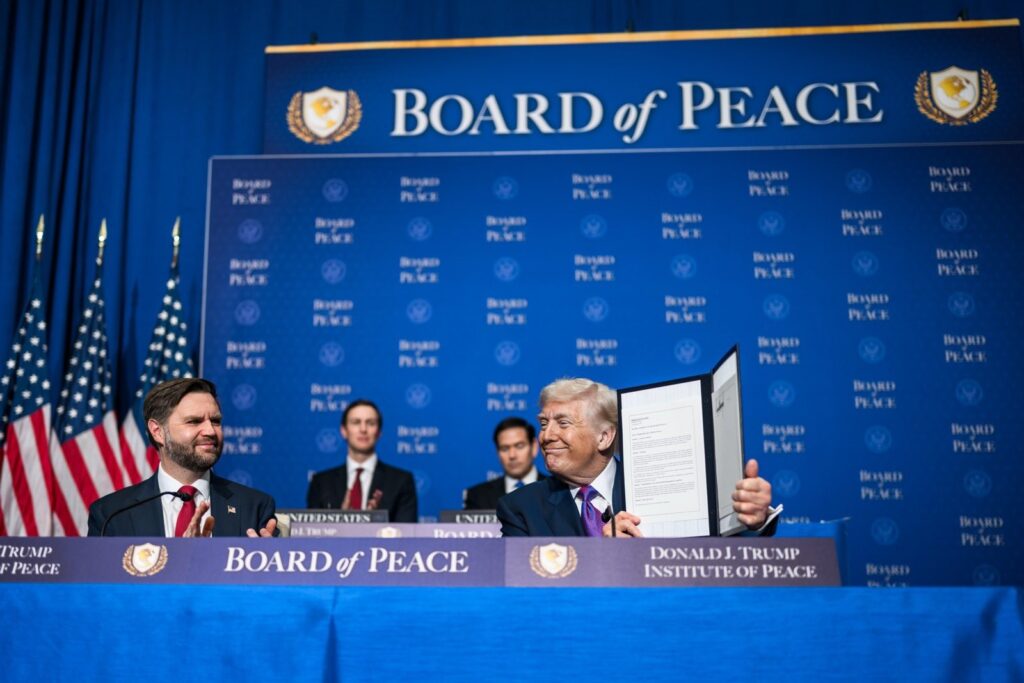
The U.S. is striving to bring President Trump's Gaza peace plan to fruition via a meeting between Jared Kushner and Hamas representatives in Egypt. The Trump administration has been working hard to advance the stalled peace plan, which has been delayed due to disagreements between Israel and Hamas over the sequence of measures to be taken.
A significant move was made in Egypt, where Jared Kushner, the president's son-in-law and adviser, held an unusual direct meeting with Hamas leaders, alongside discussions with Egyptian President Abdel Fattah al-Sisi and other regional mediation officials.
The aim of Washington's diplomatic push is to speed up the implementation of Trump's peace proposal, despite the challenging circumstances. Prime Minister Benjamin Netanyahu of Israel has rejected the new 15-point U.S. roadmap, insisting that Israel should not withdraw its troops from Gaza until Hamas has completed its disarmament. Conversely, Hamas is demanding assurances about the Israeli withdrawal and an end to attacks before turning over its weapons.
The White House is now attempting to bring the parties' positions closer together and avoid the plan becoming stalled again. Jared Kushner's meeting with Hamas political leader Khalil al-Hayya in Egypt marks one of the most important direct contacts between the Palestinian organization and a senior representative of the Trump administration.
The talks covered the main points of the U.S. plan, including the gradual disarmament of Hamas, phased withdrawal of Israeli forces, establishment of a lasting ceasefire, increased humanitarian aid, and the reconstruction of Gaza. The plan also proposes transferring control of the territory to a civilian Palestinian government, with no Hamas participation in the future government.
Hamas has shown willingness to disarm but only if it receives concrete commitments from Israel. The group is demanding an end to attacks and a withdrawal of Israeli forces to the "Yellow Line" as well as urging mediators and the Peace Board to pressure Israel to fulfill the roadmap's commitments. Kushner also met with al-Sisi in Al Alamein, Egypt, to reinforce Egypt's role as a mediator. Egypt, along with Qatar and Turkey, has become a crucial channel of communication between Washington, Israel, and Hamas.
Despite the ongoing Israeli military operations in Gaza, the U.S. is focused on bridging the gaps between the parties. Netanyahu, however, remains adamant that Israel will not accept a withdrawal until Hamas is completely disarmed. As long as Israel continues its military actions in Gaza, led by far-right politician Itamar Ben-Gvir, who calls for "killing 30 to 40" Palestinians daily in the Strip, the prospects for implementing the plan remain uncertain.
Kushner's mission reflects the White House's effort to move from negotiations to the concrete execution of its proposal. For Trump, convincing Hamas to disarm and Netanyahu to accept a phased withdrawal are the current challenges. The outcome of these efforts will determine whether the plan can become a new stage in the ceasefire or remain trapped in the ongoing conflict between Israel and Hamas.
Written by urgent.news from Colombia One's reporting — not their text. Machine-written — may contain errors; check the original before relying on it.