US judge clears way for Trump to end Somalis’ deportation protections
A federal judge on Friday cleared the way for U.S. President Donald Trump's administration to strip nearly 1,100 Somalis of legal protections against deportation that have allowed them to live and work in the United States.
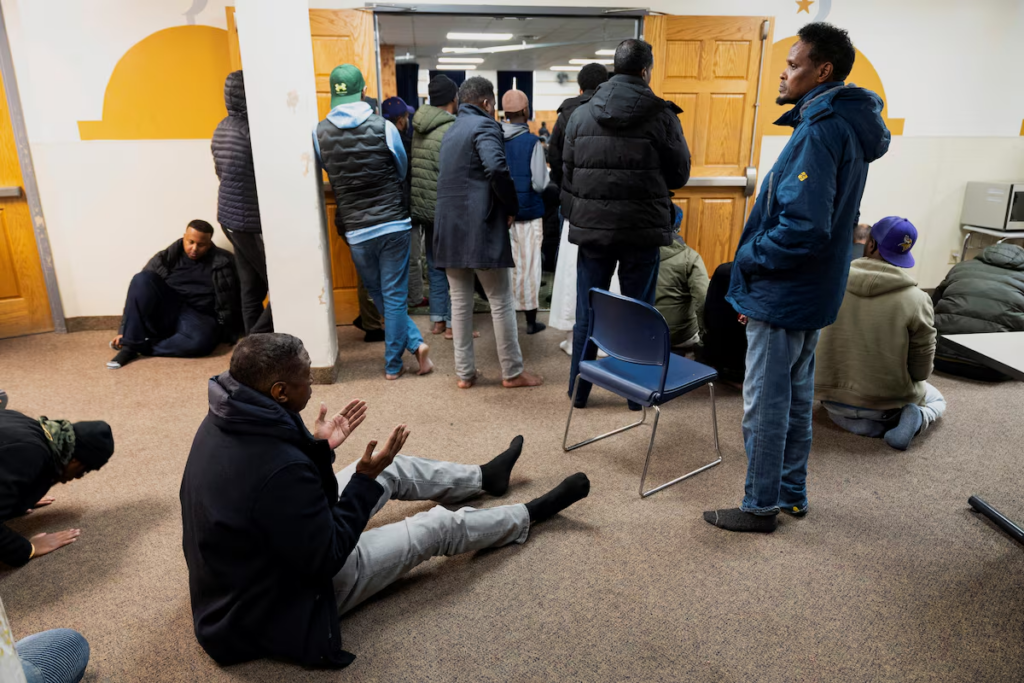
On Friday, a federal judge in Boston granted the U.S. Department of Homeland Security permission to terminate the Temporary Protected Status (TPS) designation for nearly 1,100 Somalis. This move allows the administration to strip the legal protections against deportation that have enabled them to reside and work in the United States.
U.S. District Judge Allison Burroughs, an appointee of Democratic President Barack Obama, made the decision following the U.S. Supreme Court's ruling last June. The high court, with its conservative 6-3 majority, permitted the Trump administration to end TPS protections for thousands of people from Haiti and Syria.
The Supreme Court's decision curtailed the ability of judges to review the Department of Homeland Security's efforts in ending TPS designations for 13 countries. These countries had provided humanitarian immigration protection to eligible migrants. Lawyers representing the plaintiffs and DHS have not yet commented on the decision. In the previous week, two other judges allowed the administration to similarly end TPS for South Sudan and Myanmar.
Currently, only Ethiopia's TPS designation remains under judicial blockage. Former Homeland Security Secretary Kristi Noem had announced plans to end TPS for Somalis in January, citing improvements in Somalia's conditions; however, this decision was blocked in a lawsuit brought by four Somalis and two advocacy groups in March. The plaintiffs argued that the administration ended TPS for Somalia due to bias against non-white immigrants, drawing attention to Trump's derogatory comments about Somalis, such as calling them "garbage" and "low IQ people."
Judge Burroughs subsequently issued a new order temporarily blocking the end of Somali TPS while she assessed whether to permit the plaintiffs to challenge the Department of Homeland Security's actions, especially as the Supreme Court's ruling did not explicitly address the issue.
Written by urgent.news from MyJoyOnline Ghana's reporting — not their text. Machine-written — may contain errors; check the original before relying on it.
This story
This is one outlet's version. Read the fullest account.