Trump's order to reduce military drills raises hopes, concerns over Korean Peninsula security
WASHINGTON — U.S. President Donald Trump's order to reduce South Korea-U.S. military exercises is raising both hopes and concerns, as it could help ease tensions with North Korea but affect the allies' defense readiness amid Pyongyang's growing nuclear and missile threats. In a social media post on Sunday, Trump said he has instructed Defense Secretary Pete Hegseth to "substantially" scale back…
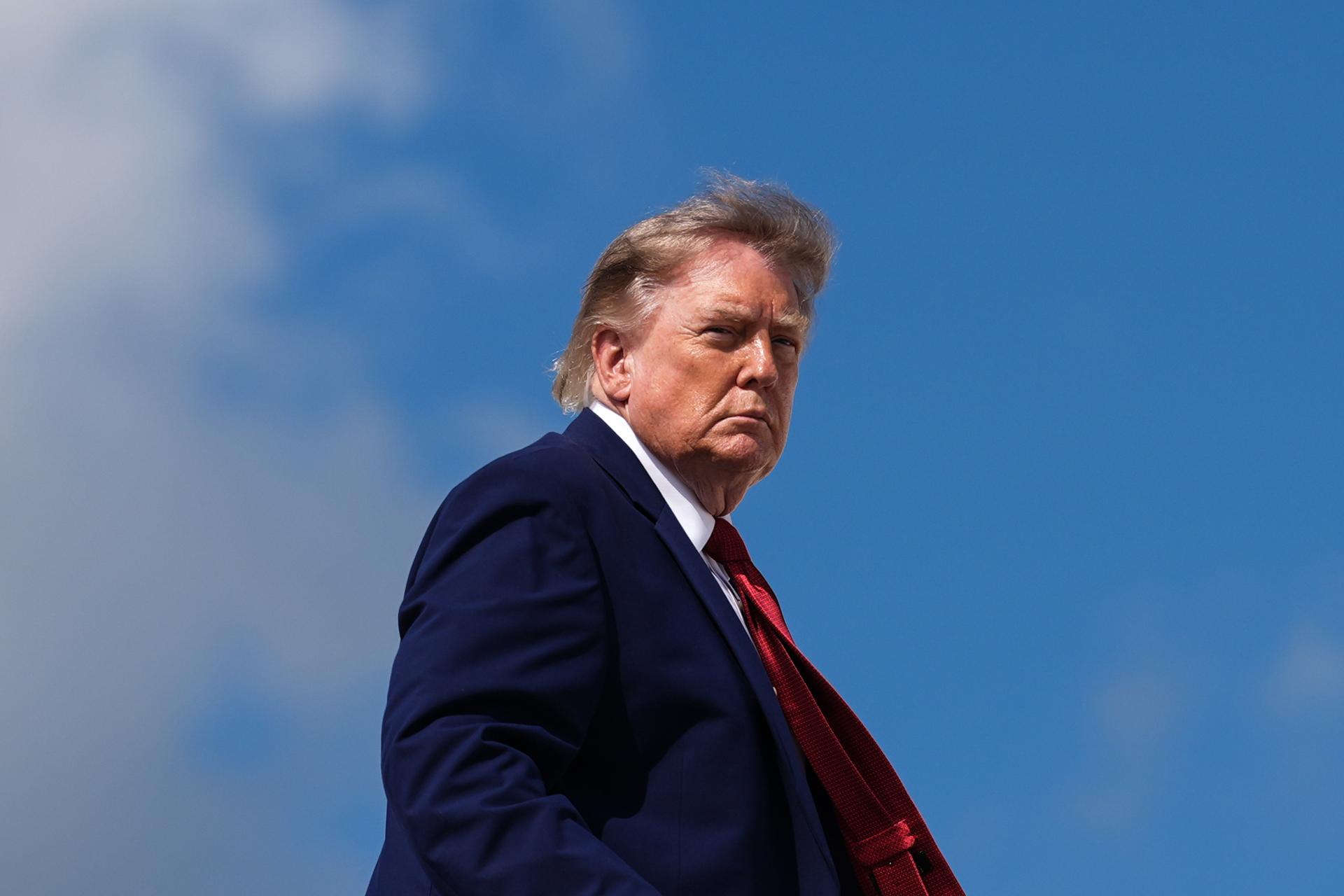
U.S. President Donald Trump has ordered a reduction of military drills between South Korea and the United States, sparking both optimism and apprehension regarding the security situation on the Korean Peninsula. The decision, made public on Sunday through a social media post, aims to decrease tensions with North Korea. However, the move also raises concerns about the impact on the U.S. ally's defense capabilities in the face of North Korea's escalating nuclear and missile threats.
In the post, Trump instructed Defense Secretary Pete Hegseth to significantly reduce exercises with South Korea, citing the high cost of the drills and their potentially hostile impact on North Korea. The timing of Trump's directive is significant as South Korea and the U.S. had just commenced their annual Ulchi Freedom Shield (UFS) exercise.
This exercise is designed to enhance the allies' military readiness against potential aggression from North Korea and to test Seoul's capacity to take over wartime operational control from Washington.
The decision has generated cautious optimism, as some view it as a potential step towards resuming diplomatic talks with North Korean leader Kim Jong-un. However, it also brings up questions about whether the reduction in military exercises could weaken the U.S. and South Korea's ability to counter North Korea's advancing military threats. The balance between easing tensions and maintaining a strong defense posture remains a critical challenge for the international community.
Written by urgent.news from The Korea Times's reporting — not their text. Machine-written — may contain errors; check the original before relying on it.
Also reported by 5 other outlets
- Trump's order to reduce military drills raises hopes, concerns over Korean Peninsula security koreatimes.co.kr
- Retired colonel knocks Trump order to cut back on 'critical' joint exercises with South Korea thehill.com
- Trump orders military to reduce exercises with South Korea cbsnews.com
- Democrats rebuke Trump over scaling back military drills with South Korea qatar-tribune.com
- Democrats rebuke Trump over scaling back military drills with South Korea aljazeera.com