Trump's foreign policy: Strongmen on speed dial, allies and partners on notice
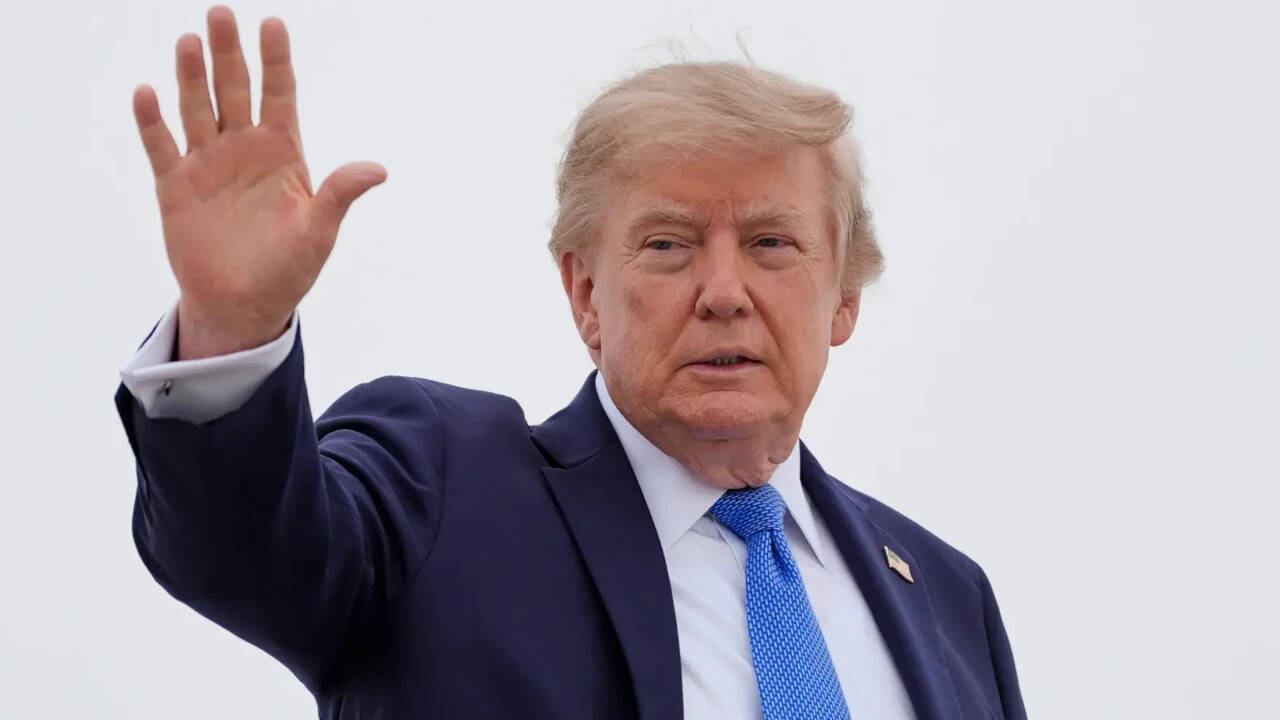
The United States President Donald Trump made headlines recently by endorsing a defense pact among Saudi Arabia, Pakistan, and Turkey while simultaneously reducing US-South Korean military exercises. These actions indicated a foreign policy that emphasizes personal relationships, immediate transactional demands, and affinity for strongmen, rather than the traditional institutional logic of long-standing alliances.<br><br>
Trump's endorsement of the Mecca Joint Defence Agreement, which commits the three nations to regard an armed attack on one as an attack on all, brought attention to the changing dynamics in international relations. While Pakistan's military chief and Saudi Crown Prince have maintained close personal relationships with Trump, his approval of this pact contrasted sharply with Washington's traditional aim to strengthen India's role as a democratic counterweight to China.<br><br>
In a surprising turn, Trump ordered a substantial reduction in annual US-South Korean military exercises, citing concerns about their cost and South Korea's refusal to participate in US military action against Iran. These exercises are designed to maintain readiness against North Korea, a nuclear-armed dictatorship that has supported Russia in its war in Ukraine.<br><br>
The South Korea decision and the endorsement of the Mecca pact have raised concerns among analysts, who argue that the administration's Asia policy is increasingly incoherent. Critics warn that excessive inconsistency could encourage countries to accommodate potential adversaries and rely less on American security commitments. Trump's approach to alliances and partnerships is seen as transactional, with personal ties taking precedence over traditional diplomatic relationships.<br><br>
While some argue that this approach forces allies to invest more in their own defense, it inadvertently undermines the traditional sense of alliances and partnerships. The danger lies in allies potentially becoming more self-reliant and less dependent on the United States, making it harder to rebuild trust in the future.
Written by urgent.news from Times of India's reporting — not their text. Machine-written — may contain errors; check the original before relying on it.