Trump pivoted from bombs to an economic war against Iran. But Tehran is now ‘fully offensive’ and doesn’t think the real fighting hasn’t started yet
Unless the U.S. implements the June ceasefire deal in a few weeks, Iran will launch a "timely and precise" attack to break the blockade, an Iranian official told Reuters.
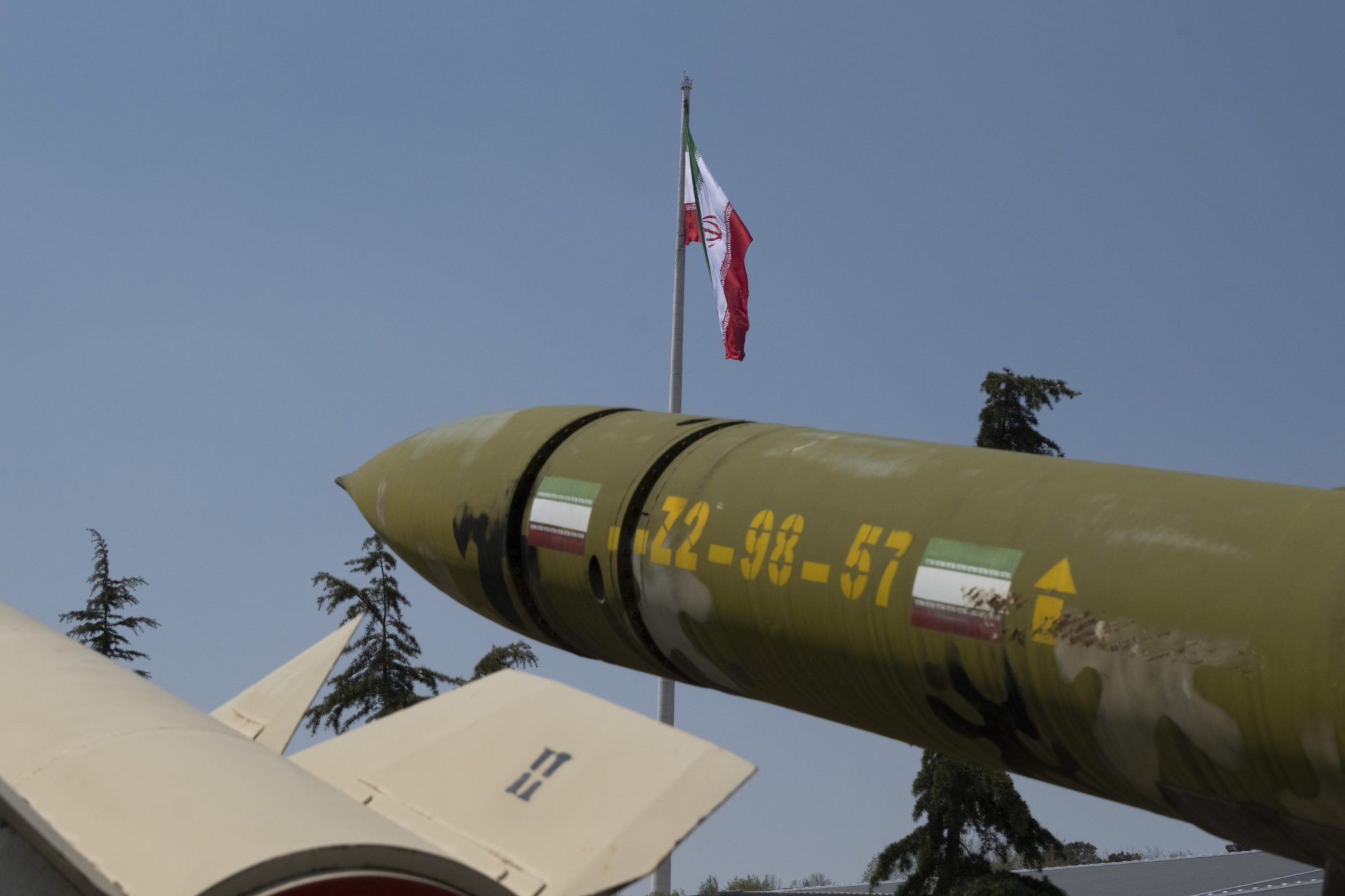
President Donald Trump has shown little interest in reaching an agreement with Iran, shifting from a full-scale war to an economic blockade. After 40 days of intense bombing and two additional weeks of daily assaults, the U.S. is now employing a naval blockade to compel Iran to reopen the Strait of Hormuz and normalize global oil markets.
However, Tehran is preparing for a more aggressive approach if a diplomatic resolution remains elusive, potentially drawing the U.S. back into direct combat as vulnerabilities surface within its own military. Iran has transitioned from a defensive posture to a "fully offensive" stance, according to a senior Iranian official quoted by Reuters.
Unless the U.S. complies with the June ceasefire deal soon, Iran plans to execute a "timely and precise" strike to dismantle the blockade. The regime has ramped up its military readiness, with factions abandoning hopes for negotiations. Intelligence suggests Iran has deployed commanders, weapons, and intelligence to regional militias, and the Islamic Revolutionary Guard Corps is devising plans for further escalation, such as sabotage of internet cables, inciting unrest in neighboring countries with substantial Shia populations, and even a ground invasion in Kuwait.
Iran's defense analyst, Mohammad Hassan Sangtarash, noted that the U.S. is now facing a "salami-slicing" strategy of incremental escalation to weaken capabilities before a larger confrontation. Despite significant casualties in conventional forces, Iran has enhanced its tactical capabilities, developing new missiles to evade air defenses and posing a greater threat to U.S. military assets and allied oil infrastructure in the region.
The U.S. military has also depleted its interceptor stockpile, contributing to Trump's decision to halt a major escalation. The naval blockade has tested U.S. forces, with the USS Abraham Lincoln aircraft carrier struggling with mental health and supply issues. Other carriers may face similar challenges. Despite the economic strain caused by the blockade, Iran remains committed to overcoming it, with its leader, Majidreza Hariri, suggesting that negotiation, supplication, threats, or even war could be necessary to resolve the situation.
Written by urgent.news from Fortune's reporting — not their text. Machine-written — may contain errors; check the original before relying on it.