Trump Burns Allies Over Iran. South Korea and Oman Are Next.
President Trump spent the weekend turning on two US security partners. He ordered a cutback in joint military exercises with South Korea, citing his “very good relationship” with Kim Jong Un, the North Korean dictator — and threatened to bomb Oman, one of the countries mediating between Washington and Tehran. On Sunday, Trump posted on […]
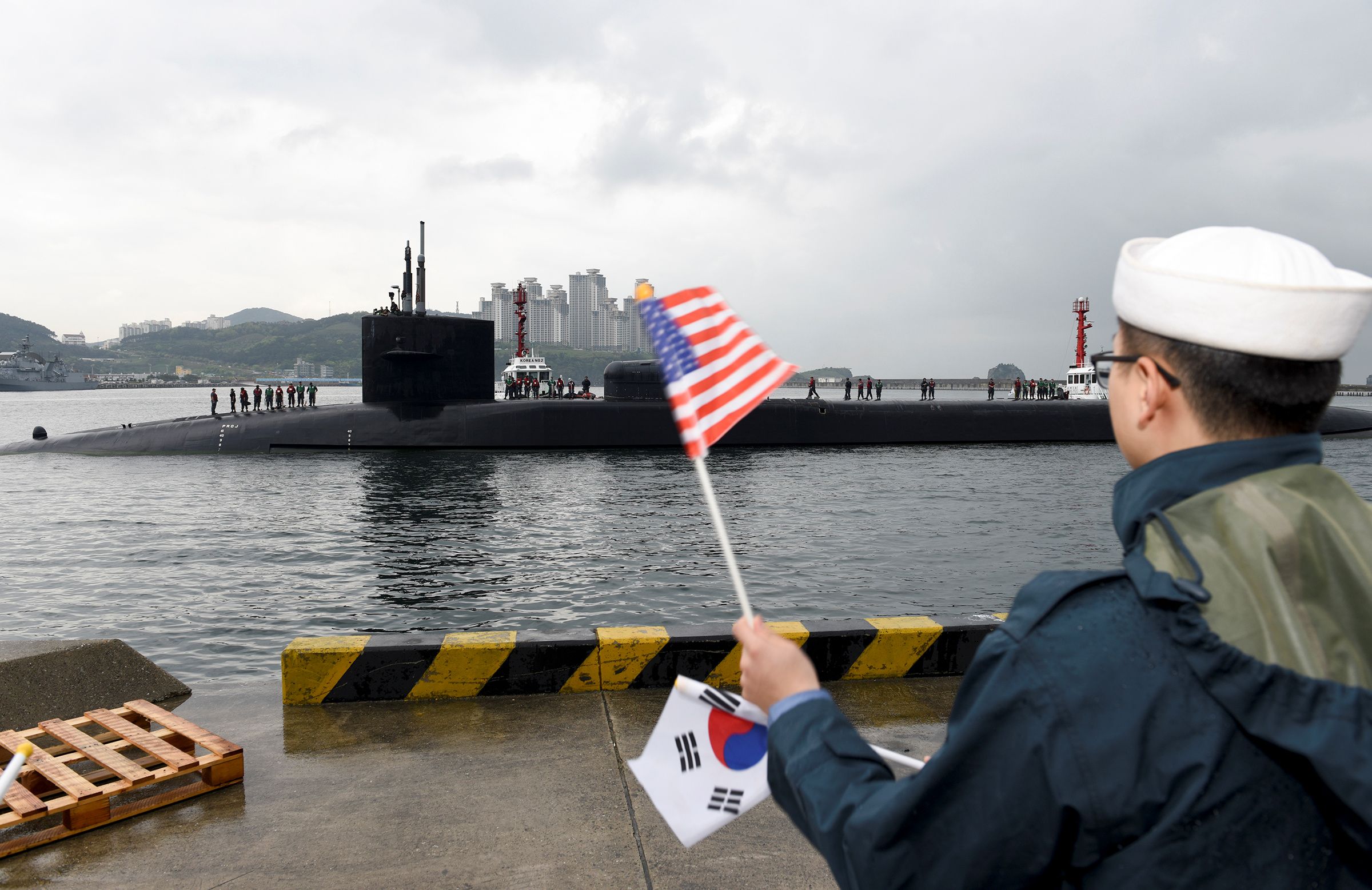
President Trump, in a series of tweets over the weekend, turned on two of the United States' security partners: South Korea and Oman. He ordered a reduction in joint military exercises with South Korea, citing his "very good relationship" with Kim Jong Un, the North Korean dictator. He also threatened to bomb Oman, a country that is playing a mediating role between Washington and Tehran.
Trump explained that the reduction in joint military exercises with South Korea was due to his "very good relationship with Kim Jong Un" and the financial implications. However, South Korea's Defense Ministry stated that the exercises began as planned on Monday, and President Lee Jae Myung affirmed that the two governments maintained close coordination on joint training. Despite this, Seoul downplayed the reversal of the planned reduction in exercises.
The abrupt reversal of plans highlights the abrupt nature of Trump's decisions, which seem to be driven more by personal disagreements than by strategic security considerations. This pattern of behavior was also observed in the administration's handling of NATO members who declined to back the war on Iran.
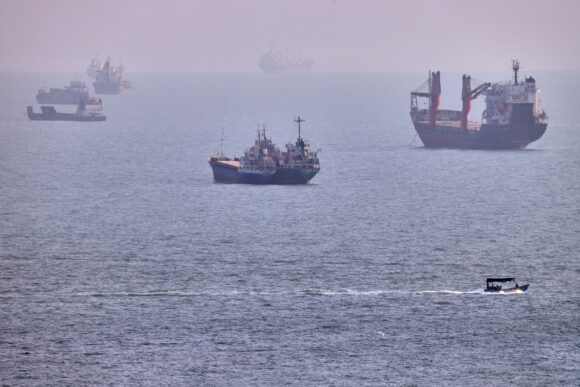
Regarding Oman, Trump made it clear that if they interfere with the US-Iran negotiations, the United States would "bomb the shit out of them." Oman is reportedly close to an agreement with Iran to restore commercial shipping through the Strait of Hormuz, a critical passageway for global oil trade. The United States has a security agreement with Oman that allows it to use Omani airfield and port facilities for military purposes.
This series of actions by President Trump demonstrate his tendency to base decisions on personal relationships rather than on the critical security relationships that are vital to the United States' interests in the region.
Written by urgent.news from Mother Jones's reporting — not their text. Machine-written — may contain errors; check the original before relying on it.