This Fetus Had a Parasitic Twin in an Unusual Location
(MedPage Today) -- An expectant mother learned her fetus had an extremely rare and life-threatening congenital anomaly, but a carefully executed procedure helped ensure a good outcome. After a local clinic identified a tumor around the face of...
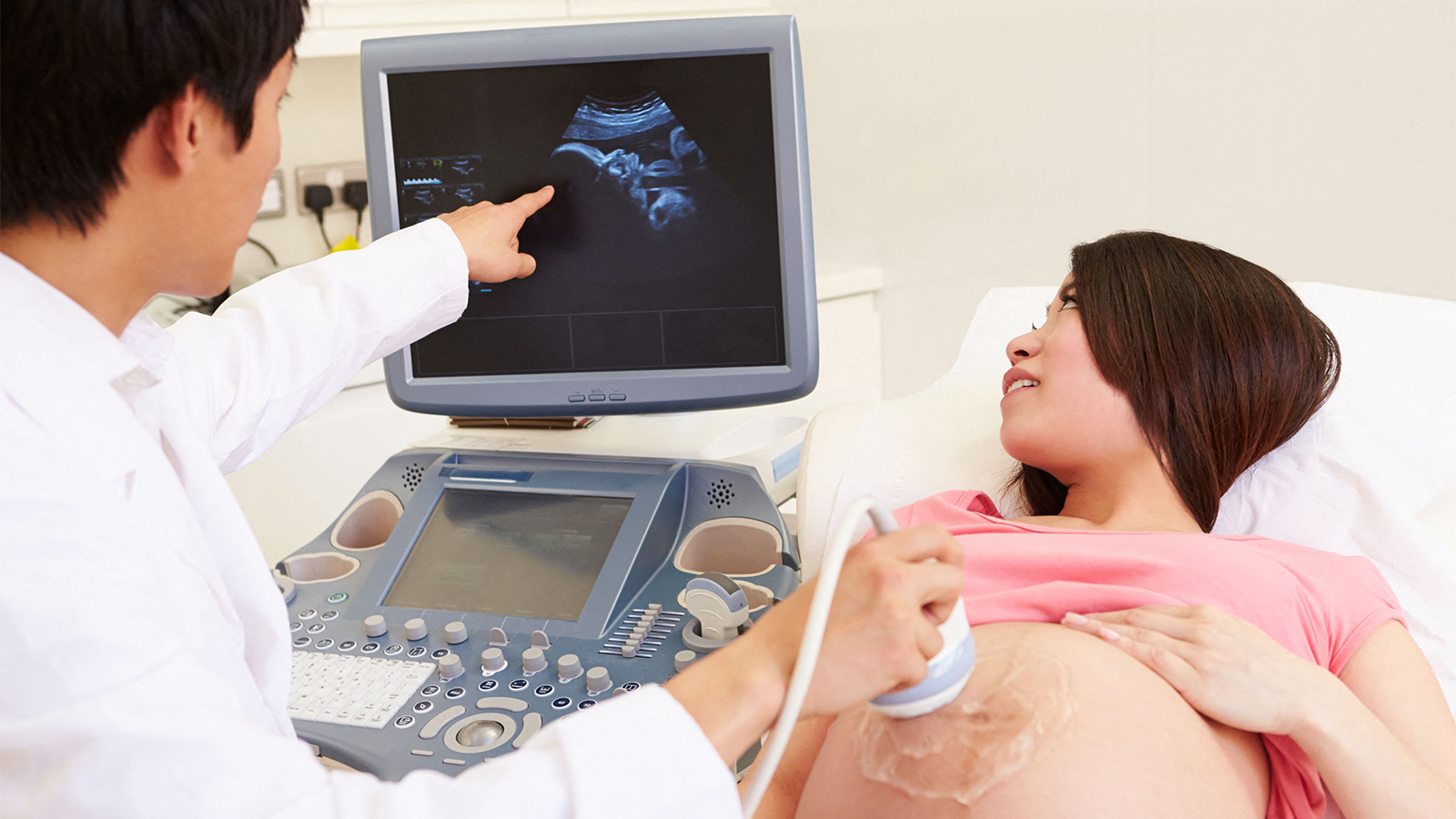
A pregnant woman received startling news that her unborn fetus had an extremely rare and potentially life-threatening congenital anomaly: a parasitic twin protruding from the baby's mouth. The 23-week-old fetus was referred to a larger medical facility where further examination confirmed a 4-cm mass extending from the oral cavity to the outside, originating from either the pharynx or palate.
This condition, known as epignathus, is an exceptionally rare germline tumor that occurs in only one of 35,000 to 200,000 live births, as reported by Dr. Riku Suzui and colleagues in BMJ Case Reports.
Upon delivery, the tumor was successfully removed, revealing a complex mix of tissues including nerves, intestinal tract, adrenal glands, skin, long bones, and teeth. The tumor's presence likely caused polyhydramnios and gastric shrinkage, suggesting impaired swallowing and potential airway obstruction. The mother was admitted to the hospital at 30 weeks of gestation due to the risk of preterm labor and premature rupture of membranes.
To ensure a safe delivery, the medical team opted for a specialized delivery method called ex utero intrapartum treatment (EXIT), allowing the baby to be born via cesarean section while establishing an airway before separation from the placenta. At 34 weeks and 5 days of gestation, the tumor was carefully evaluated using MRI, which revealed the presence of amniotic fluid in the pharynx, indicating a clear airway.
Despite this, an EXIT procedure was deemed necessary due to the high risk of complications associated with securing the airway after the umbilical cord had been cut.
The baby underwent two surgeries on days 16 and 48 to fully remove the tumor. Postnatally, the infant was admitted to the neonatal intensive care unit, where they underwent oral feeding trials and were eventually discharged 96 days after birth. While the condition typically does not affect a child's neurological development, rehabilitation would likely be required to learn swallowing and other skills.
Overall, the case underscores the importance of dynamic prenatal assessments, such as monitoring amniotic fluid pockets in the pharynx and tumor configuration, to optimize the safest delivery approach.
Written by urgent.news from MedPage Today's reporting — not their text. Machine-written — may contain errors; check the original before relying on it.