These Mammoth Ivory Carvings May Be the “Find of the Year”
They’re 40,000 years old and about the size of your thumbnail The post These Mammoth Ivory Carvings May Be the “Find of the Year” appeared first on Nautilus .
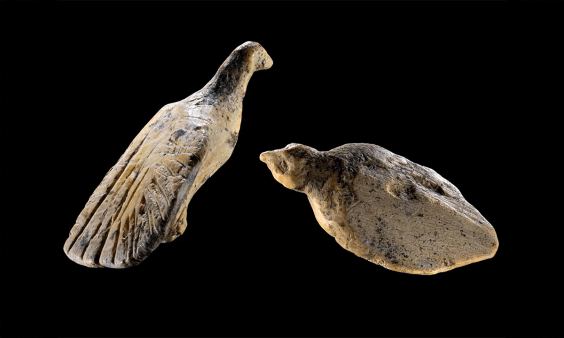
Two exquisite mammoth ivory carvings, estimated to be 40,000 years old, have been unearthed in southwestern Germany. These miniature artworks, roughly the size of a thumbnail, were discovered in the renowned Hohle Fels Cave, part of the UNESCO World Heritage site in the Swabian Jura. The first carving shows a bird seemingly resting, with a clear depiction of its head, beak, and eyes.
The second piece appears to have its wings partially spread, featuring a distinct beak and feather patterns. Archaeologists believe the carvings date back to when the first modern humans arrived in the Upper Danube region during the last Ice Age. The excavations' director, Nicholas Conard, from the University of Tübingen, highlighted the skilled craftsmanship, noting that the figures exhibit specific and unique features, allowing experts to identify the bird and its potential activity.
The carvings, measuring just 0.79 inches by 0.39 inches by 0.2 inches, are the smallest found at the site thus far. Bird figurines from this period are extremely rare in this region, primarily overshadowed by other animal carvings such as mammoths, lions, bears, and horses. While it's unclear whether the carvings served as personal talismans or symbols of identity, they add to the cave's collection of some of the oldest prehistoric art and musical instruments ever discovered.
Written by urgent.news from Nautilus's reporting — not their text. Machine-written — may contain errors; check the original before relying on it.