The transboundary haze will keep returning until we treat the root cause — Rozzana Basri, Justin Ang, and Zora Sharon Chan
AUGUST 15 — Poor air quality. Reduced visibility. Disruptions to daily life. Health concerns. Impacts on wildlife...
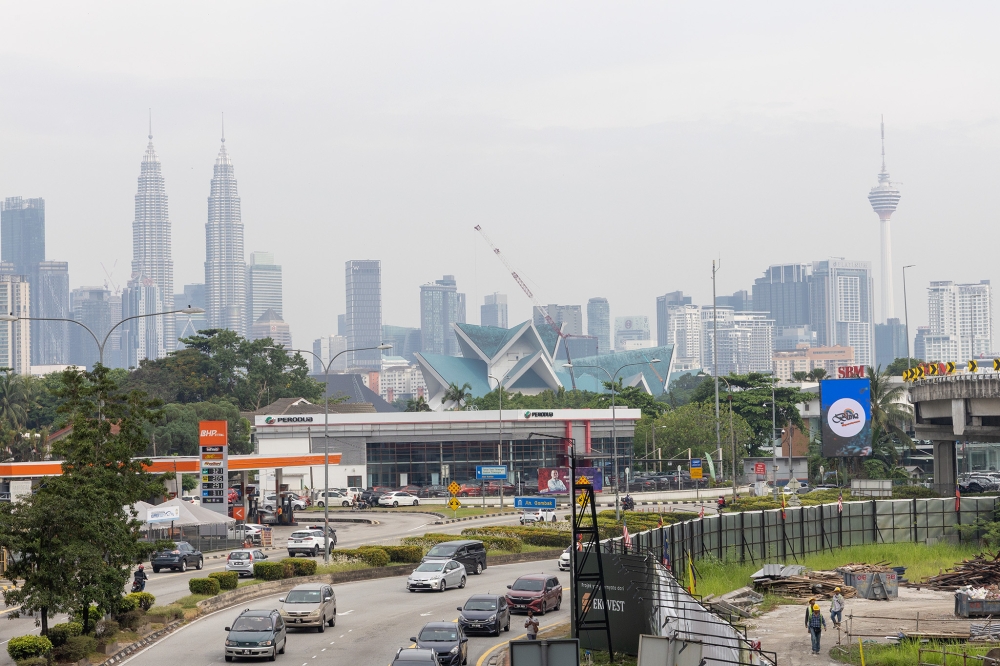
The transboundary haze problem continues to plague Malaysia, drawing attention to the underlying land management failures that persist despite recurring occurrences each dry season. This annual phenomenon, exacerbated this year by a super El Niño event, has led to schools being closed, health concerns, and economic disruptions across the nation.
In Sarawak, 108 schools were shut down in the Serian district alone due to "very unhealthy" air quality, primarily caused by forest fires in neighboring Indonesia. Experts warn that the prolonged dry conditions, intensified by climate change, could worsen the situation in the coming weeks. The haze not only affects human health but also poses a threat to wildlife, ecosystems, and the country's economy, impacting businesses, tourism, and productivity.
The economic costs of haze are significant, and its impacts extend beyond immediate health concerns to include the degradation of ecosystems and the release of greenhouse gases. This year, Malaysia and the region face the urgent need to treat haze as a structural problem rooted in inadequate land management practices. The focus should shift from emergency responses to implementing sustainable land-use practices, such as zero-burning policies, responsible agricultural development, and stronger forest protection measures.
Malaysia, with its extensive natural forests and peatlands, has a unique opportunity to demonstrate responsible development while safeguarding its natural systems. Intact forests and healthy ecosystems are vital for climate regulation, carbon storage, and water cycle maintenance. Sustainable practices and strong enforcement of regulations are essential to prevent future haze occurrences and mitigate the environmental and health impacts associated with this persistent issue.
Written by urgent.news from Malay Mail's reporting — not their text. Machine-written — may contain errors; check the original before relying on it.