The rising price of a cheap renminbi
China’s real exchange rate fell by 14% in 2021–25, while the country’s officially reported current account surplus rose to 3.8% of GDP.
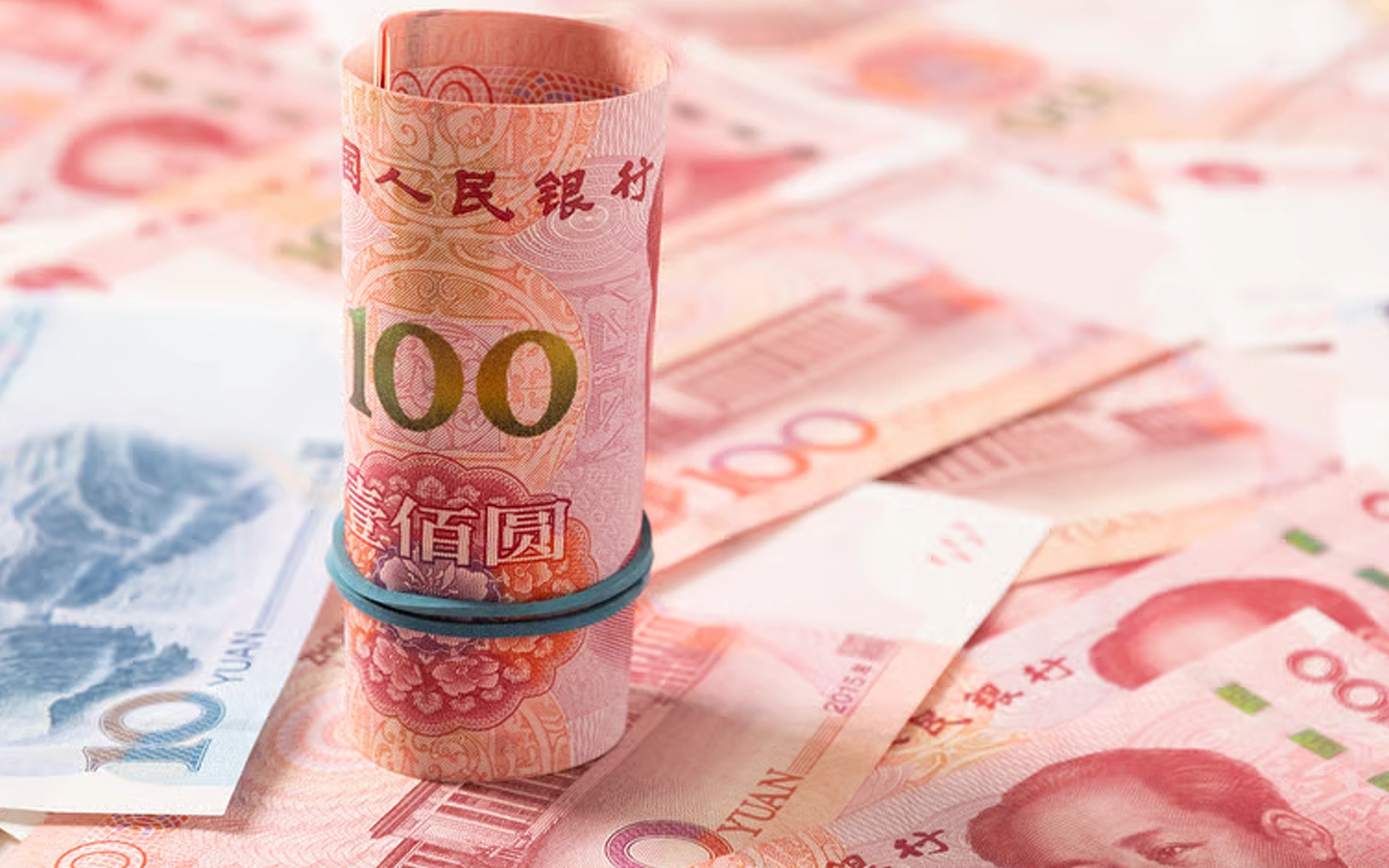
China's undervalued currency is often seen as a symptom of its economic imbalances. However, the exchange rate is more accurately viewed as a price. Suppressing the renminbi's value not only masks the underlying problem but also hinders the means to correct it. This approach essentially self-harms the country. The International Monetary Fund reports a 14% decline in China's real exchange rate from 2021 to 2025, while the country's reported current account surplus reached 3.8% of its GDP.
The government's exchange rate management serves a dual purpose: maintaining a specific currency level and providing exporters with an implicit volatility guarantee. Most exports are still priced in dollars, and a tightly controlled exchange rate reduces uncertainty for domestic-currency revenues. Competitors can hedge, but it comes at a cost; Chinese manufacturers rely heavily on state-provided insurance.
The policy is driven by a "security-first" model championed by President Xi Jinping since 2012, which focuses on resilience alongside growth. Policymakers must prepare for potential sanctions while maintaining control over Taiwan. The root cause of China's surpluses lies in a policy mix that leads to excessive saving, including the suppression of household consumption.
The cure, however, is not straightforward: strengthening social spending and revising the hukou household-registration system could boost consumption by up to 3% of GDP. The challenge lies not in policy design but in policy preference. While Gopinath, Gourinchas, and Rey argue that treating the exchange rate as a symptom overlooks the power of prices to influence behavior, they are correct that an endogenous variable can still be an instrument.
By resisting appreciation, China's government prevents the real rate from correcting the imbalance and reinforces the profitability of the sector that contributed to it, thereby perpetuating the distortions behind the surplus. The costs ultimately accumulate on balance sheets, which are steadily growing. China's public-sector debt, estimated at 127% of GDP in 2025, and commercial bank net interest margins, which have decreased from 2.2% in 2019 to 1.4% in 2025, highlight the mounting challenges.
A weak, stable renminbi preserves exporters' cash flows, supports employment and tax revenue, and postpones loss recognition across these balance sheets. It does not resolve the financial system issues but buys time. Renminbi appreciation alone would not rebalance the economy, but it would increase households' purchasing power for imports and compress tradable-sector margins, making the avoidance of reform more costly.
Dollar invoicing further reinforces these channels: as the renminbi's value rises, the prices of dollar-priced imports fall one-for-one, while sticky foreign-currency export prices shift the adjustment onto domestic revenues. While Gopinath, Gourinchas, and Rey acknowledge that the initial effects of renminbi appreciation would be deflationary, the impact on export prices would be delayed.
Without a change in the savings-investment balance, forced appreciation could be countered by falling prices, resulting in the same deflation that exacerbates the real debt burden across public and private balance sheets. Eventually, China will have to choose between a deepening slowdown and the reflation it has avoided. The G7 can hasten this process.
By issuing a joint, conditional tariff threat on Chinese exports, as Brad W Setser and Shahin Vallée propose, the group can leverage the scale and liquidity of their assets to apply pressure on China. This conditional tariff would offset the price advantage created by an undervalued renminbi just as the cost of replacing that subsidy increases, making reflation the most cost-effective way to uphold the current model.
The conditionality would serve as a face-saving exit route, allowing China to retain the preference without capitulation.
Written by urgent.news from Free Malaysia Today's reporting — not their text. Machine-written — may contain errors; check the original before relying on it.
This story
This is one outlet's version. Read the fullest account.
- The rising price of a cheap renminbi freemalaysiatoday.com