The Other Side of Paradise: How Pakistan Crushed Protests in Kashmir
Kashmiris are not merely demanding lower bills and cheaper bread. They are demanding respect and representation.
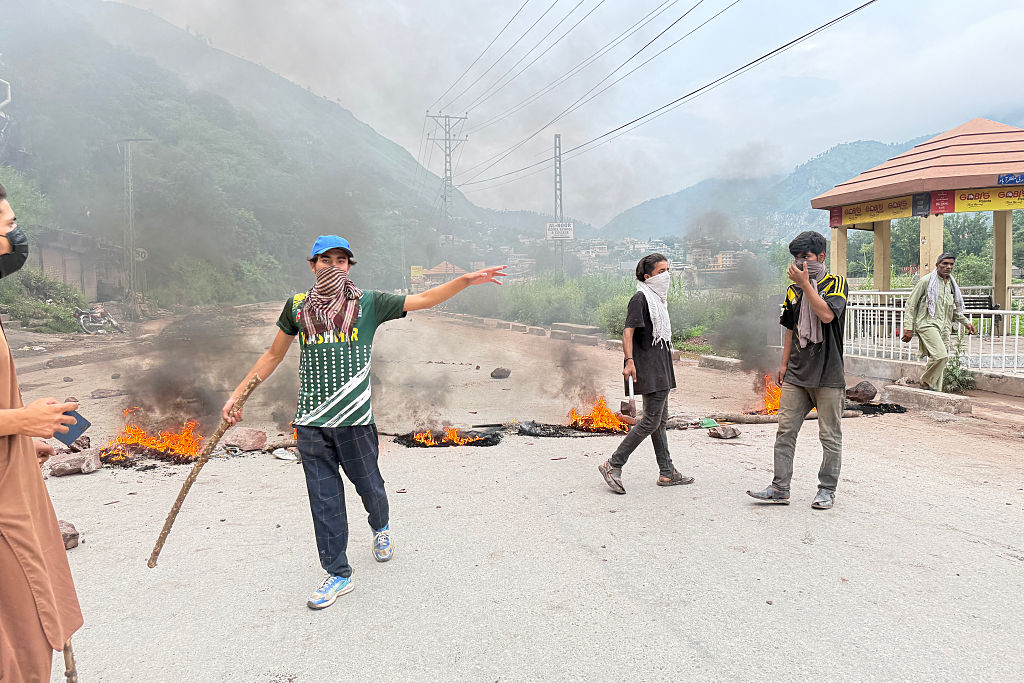
The article explores the protests in Pakistan-administered Kashmir, shedding light on a struggle that has largely gone unnoticed due to the focus on India-administered Kashmir. Since June, over 80 people have been killed by security forces as citizens express growing discontent over daily life issues like high electricity bills, rising food prices, and a lack of job opportunities.
Pakistan-administered Kashmir has not been immune to the economic crisis gripping Pakistan. With rising prices, fiscal pressures, energy deficits, and multiple IMF bailouts, governments have been forced to cut subsidies and raise utility prices. For a population already struggling with inflation and unemployment, these policies feel like a lack of influence over the decisions impacting their lives.
Protests over rising electricity and basic commodity prices have occurred periodically since 2022. In response to these issues, citizens committees formed across districts in 2023, merging into the Joint Awami Action Committee (JAAC) by September. The JAAC, a nonpartisan platform, demanded lower wheat and electricity prices, an end to ministerial privileges, and empowered local governments. Operating outside Pakistan's political party system, the movement aimed to unite constituencies across partisan divides.
Despite attempts by authorities to suppress the movement through arrests and restrictions, protests continued to grow. In May 2024, the JAAC called for a long march and strike in Muzaffarabad, drawing hundreds of thousands of protesters to the capital. While Islamabad eventually intervened with a relief package, the government's repressive response shifted the focus of the movement to broader political agency in Pakistan-administered Kashmir.
Although the May 2024 settlement showed that collective action could compel Islamabad to address economic grievances, it did not resolve the issue of political accountability. The territory, while having its own government, remains subject to significant federal influence over administration, security, and external affairs. This setup leaves residents feeling out of touch with political responsibility and authority, creating a persistent gap between what should be and what is in practice.
Written by urgent.news from Time's reporting — not their text. Machine-written — may contain errors; check the original before relying on it.