The Online Trade of Mummified Remains Could Be Spreading Harmful Fungi
The "real mummy's curse" may actually be a harmful fungus. Learn more about the hidden biohazards linked to the online sale of mummified remains.
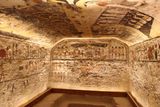
In 1923, the fifth Earl of Carnarvon passed away in a Cairo hotel room at the age of 56. His death was initially attributed to pneumonia contracted from an infected mosquito bite or a severe lung infection from a car crash in 1903. However, many believed his demise was due to the mummy's curse following his attendance at the opening of King Tutankhamun's tomb just months prior. The curse was, of course, purely fictional.
Despite the supernatural belief, handling mummified remains is not without risk. A study published in the International Journal of Cultural Property has discovered signs of potentially hazardous microbial growth on artifacts sold online, posing a threat to buyers, sellers, and postal workers. Lead author Kirsty Squires, a Professor of Human Bioarchaeology at the University of Staffordshire, U.K., highlighted that the rise of the internet, particularly social media, has amplified international trafficking and fueled demand for unique cultural heritage, including mummified humans and animals.
The researchers analyzed 128 posts from e-commerce sites, auction houses, and Meta platforms between 2015 and 2025. Almost half (43.1%) of the items featured mummified remains originating from Egypt, while around a fifth (20.6%) were from South America. Nearly half (43.1%) of these listings displayed signs of fungal colonization, suggesting poor storage practices. While the specific bacteria, fungi, or yeast responsible for the growth could not be identified, visible evidence included black spots and biofilms.
The lack of clear guidelines in sales posts is concerning, as mummified remains may contain toxic chemicals used in embalming processes, such as arsenic, mercury, and lead. Moreover, poor storage conditions can accelerate fungal growth. Some images even showed individuals handling the remains without gloves. The researchers call for clearer guidance and stronger oversight to ensure buyers and sellers are aware of the health and safety implications of shipping mummified remains, both nationally and internationally.
Written by urgent.news from Discover Magazine's reporting — not their text. Machine-written — may contain errors; check the original before relying on it.