The Hidden Trading Cost of Poor Sleep
Two weeks of six-hour nights impairs you like two nights of no sleep - and you can't feel it. Why fatigue shows up as trading conviction.
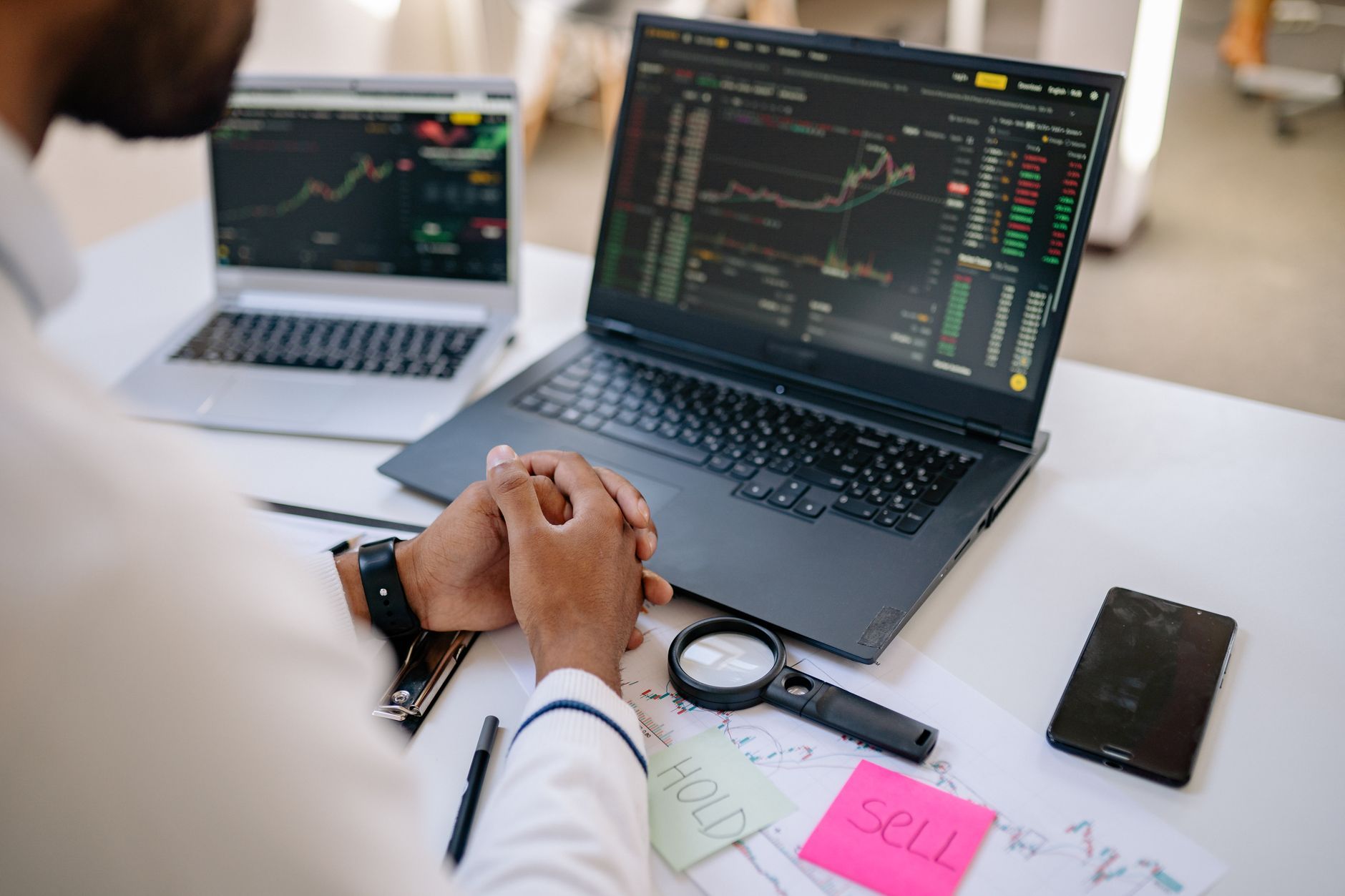
The Hidden Trading Cost of Poor Sleep: The Impact of Sleep Deprivation on Trading Decisions
At 3 a.m., Bitcoin drops 6% in just eleven minutes, prompting a wave of liquidations throughout the perpetual contract books. Amid the chaos, a trader feels mentally clear, but this perception is misleading. Some of the author's worst trading choices occurred during this state of clear-headedness, not in moments of panic or emotional turmoil. This phenomenon is not unique to this individual; many traders experience similar situations during periods of inadequate sleep.
In 2003, Hans Van Dongen and David Dinges conducted a study demonstrating the severe consequences of sleep deprivation on cognitive performance. Forty-eight healthy adults were assigned to sleep for 4, 6, or 8 hours per night for 14 consecutive nights. The six-hour group, which closely resembles the typical sleep patterns of many traders, exhibited performance deficits equivalent to going two full nights without any sleep.
Notably, the subjects' subjective sleepiness increased over the two-week period before plateauing, while their measured performance continued to decline consistently. This indicates that the gap between perceived sleepiness and actual cognitive impairment widened over time, indicating a subtle adaptation to the sleep deficit rather than an accurate self-assessment.
The implications of this study extend beyond the individual trader. In the context of cryptocurrency trading, the market's liquidity is thinnest between 3:00 and 6:00 a.m. UTC, a period when even moderate volume can lead to significant price movements and cascading liquidations. Traders who rely on price alerts during these hours are inadvertently subjected to the most volatile and least representative market conditions, while simultaneously suffering from sleep deprivation.
This combination of poor sleep and exposure to the market's most extreme conditions creates a dangerous scenario wherein traders are unable to accurately judge the merits of their trading decisions.
Moreover, traders often underestimate the impact of fatigue on their decision-making abilities. Despite the well-documented effects of sleep deprivation on cognitive function, many individuals believe they can still reliably assess their readiness to trade. However, scientific research, such as the findings of Van Dongen and Dinges, conclusively demonstrates that self-assessment is compromised when sleep is compromised.
The resulting bias towards making more aggressive trades, particularly those involving larger position sizes, can be detrimental to traders' long-term success.
Traders who fail to recognize the importance of sleep management in their trading plans are ultimately handicapping themselves. By adhering to predetermined decision-making windows and avoiding discretionary trades during high-risk hours, traders can mitigate the hidden costs of poor sleep. Implementing a systematic approach to trading, rather than relying on impulse and intuition, ensures that decisions are made with the same level of precision and discipline, regardless of the time of day or the state of one's sleep.
In conclusion, the hidden costs of poor sleep in trading are significant, and they can undermine even the most skilled and experienced traders. By prioritizing sleep and establishing clear guidelines for decision-making, traders can protect their capital and enhance their overall trading performance.
Written by urgent.news from HackerNoon's reporting — not their text. Machine-written — may contain errors; check the original before relying on it.