The Geneva Conventions and protecting life in wars at sea — Aisya Abdul Rahman
AUGUST 17 — Bombings of major ports. Blockades at key chokepoints. Attacks on cargo ships, merchant vessels and re...
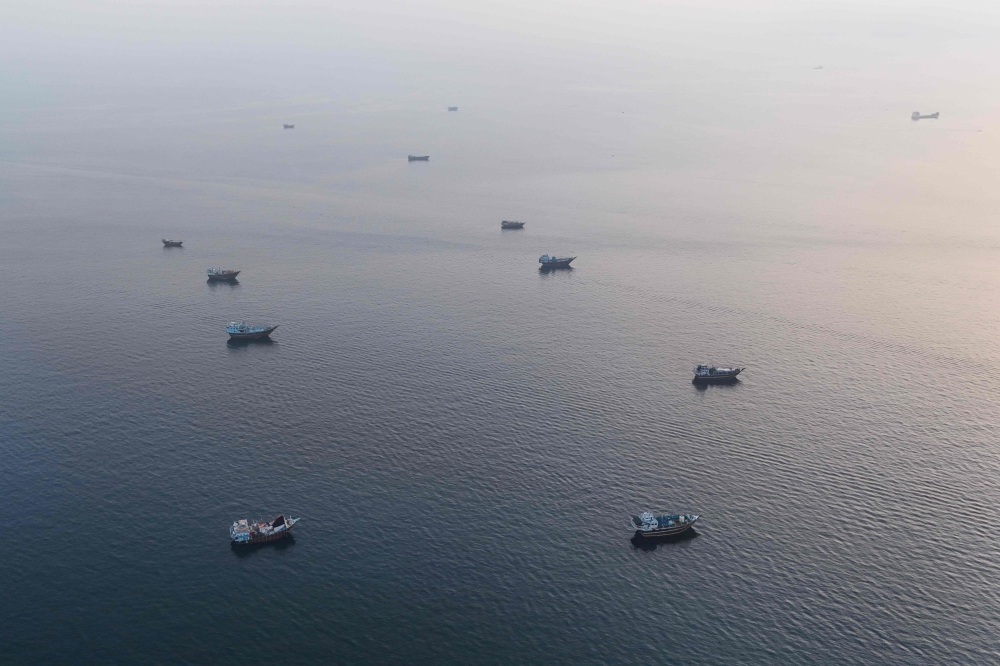
On August 17, news reports emerged detailing the devastating effects of modern naval warfare on ports, chokepoints, cargo ships, and humanitarian aid delivery. The bombings, blockades, and attacks have disrupted supply chains and the delivery of aid, leading to catastrophic consequences for coastal populations and the marine environment. The use of nuclear submarines, hypersonic missiles, unmanned maritime systems, and cyber operations has further escalated the risks.
The Second Geneva Convention of 1949, which has been universally ratified, remains the cornerstone of international humanitarian law (IHL) governing naval warfare. This treaty legally protects wounded, sick, and shipwrecked combatants, hospital ships, rescue crafts, converted merchant vessels, distinctive emblems, and their respective members and equipment.
It requires parties to the conflict to search for missing at sea, collect and identify the dead, treat detainees humanely, and prevent grave breaches such as torture and ill-treatment.
Despite the evolving nature of warfare at sea, the fundamental principles of distinction, precaution, and proportionality continue to apply. Malaysia, a maritime nation with significant coastal infrastructure and busy ports, must prioritize crisis preparedness and coherent humanitarian response to protect civilians and civilian objects.
This includes updating existing laws, aligning them with international conventions, and ensuring that military, civilian, and security authorities can operate effectively in both international and non-international armed conflicts, even if Malaysia maintains a neutral stance.
Humanitarian and civil society actors must also be prepared to respond to the unique challenges of delivering aid to victims of war at sea. Judicial and legal professionals should be equipped to navigate complex legal frameworks to ensure accountability for perpetrators and justice for victims and survivors. The humanitarian consequences of naval conflicts should not be underestimated, given the global interdependence of international trade and the critical role of maritime trade to Malaysia's economy.
Written by urgent.news from Malay Mail's reporting — not their text. Machine-written — may contain errors; check the original before relying on it.