The exchange rate paradox: Macroeconomic triumph, the import subsidy trap and the threat to youth employment
A recent assertion circulating among Ghanaian youth and entrepreneurs poses a fundamental economic question: Is the current exchange rate of approximately GH¢10.94 to the US dollar literally killing local jobs by making imported products drastically cheaper than locally manufactured goods? The post The exchange rate paradox: Macroeconomic triumph, the import subsidy trap and the threat to youth…
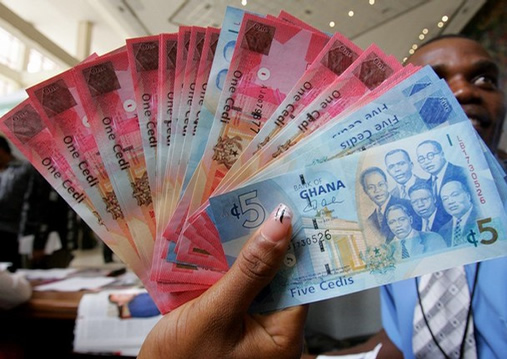
Recent discussions among Ghanaian youth and entrepreneurs have sparked a debate over whether the current exchange rate, at approximately GH¢10.94 to the US dollar, is harming local jobs by making imported goods cheaper than locally produced ones. To examine this claim objectively, it is essential to recognize the remarkable macroeconomic recovery accomplished by the current government.
Following the severe economic crisis of 2022-2023, the nation has witnessed a historic turnaround. Inflation has fallen to 4.6%, and the economy is expanding strongly at 5.5%. The Bank of Ghana has played a significant role by slashing the monetary policy rate to 14.0%, down from a peak of 30%. Additionally, the State is making substantial progress through the Ghana Accelerated National Reserve Accumulation Policy, which has rebuilt gross international reserves to $13.8 billion.
The government has also responded to the concerns of the business community by simplifying the tax system. The new Value Added Tax Act 2025 (Act 1151) has lifted the 1% COVID-19 Health Recovery Levy, removed the cascading tax effect, and raised the VAT registration threshold from GH¢200,000 to GH¢750,000. These macroeconomic achievements have stabilized the nation and restored its pride.
However, they have also given rise to a complex "Strong Currency Paradox." The appreciation of the cedi due to the large-scale accumulation of reserves has effectively curbed imported inflation, but this has led to the creation of a massive subsidy for imports. This has empirical backing when examining various sectors. For example, the agricultural sector faces challenges as local farmers produce only about 57,871 metric tonnes of poultry meat annually, despite a national demand of 400,000 metric tonnes.
Imported frozen chicken is 30-40% cheaper than locally raised chicken due to the stronger cedi and the lack of competitive local production. Government initiatives to promote local production, such as zero-rating VAT on locally manufactured textiles until December 2028, have been implemented. However, other policies, such as the zero import duty on pure electric vehicles introduced in the 2026 budget, may have unintended consequences.
While this policy is environmentally progressive, it removes incentives for the establishment of domestic assembly plants, thus hindering local job creation. The real danger to local industrial jobs lies not only in the exchange rate but also in the high domestic cost of production. Local factories remain trapped by structural deficits.
After a significant 2026 tariff adjustment, industrial electricity costs in Ghana are approximately $0.16 per kilowatt-hour (kWh). This cost is substantially higher than that in countries like Vietnam or China, where industrial power costs about $0.07/kWh. Moreover, despite commendable VAT reforms, formal manufacturing businesses still have to navigate a unified 20% effective VAT rate, which consists of a flat 15% VAT, a 2.5% NHIL, and a 2.5% GETFund levy.
Consequently, young entrepreneurs find it more profitable to import finished goods rather than establish local factories. This rational decision could lead to the destruction of high-yield industrial job creation and trap the workforce in an informal, retail-based economy. However, it is important to consider that not all imports are finished consumer goods that displace local businesses.
A significant portion of imports consists of capital goods and intermediate materials crucial for industrialization. Key imports include heavy machinery, self-propelled bulldozers, cement clinker, and industrial energy inputs such as automotive gas oil (diesel). These items are essential for infrastructure development, construction, and manufacturing.
Ghana currently lacks the domestic capacity to manufacture heavy industrial machinery, so local factories must rely on imported assembly lines, agricultural tractors, and production technology. In this context, a strong cedi becomes a lifeline for ambitious local entrepreneurs, making the import of essential industrial machinery and raw materials more affordable.
The jobs narrative here is complementary rather than contradictory. Without these imported capital goods, local industrialization is impossible. A strong currency enables the accumulation of capital necessary to equip domestic factories, which in turn creates high-yield jobs for the Ghanaian youth. Therefore, blanket condemnations of imports may be misguided.
Written by urgent.news from Ghana Business News's reporting — not their text. Machine-written — may contain errors; check the original before relying on it.