The Architect Shaping a New Chinese Vernacular
Pritzker-winner Wang Shu’s design for the Ningbo Historic Museum reconciles China’s nostalgia with its desire for a shiny, avant-garde future.
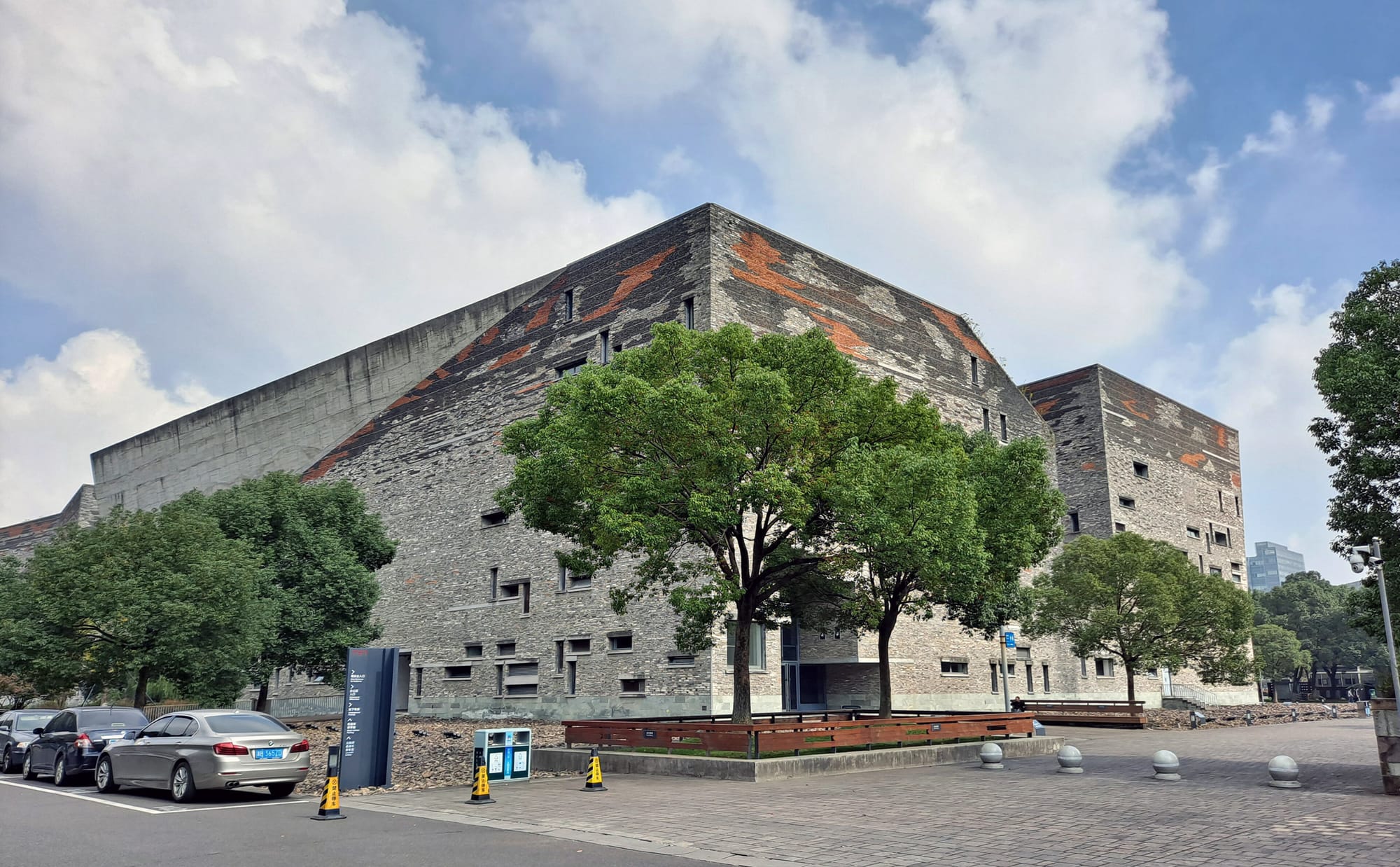
Ningbo, China — In May of this year, I embarked on a brief visit to the bustling metropolis, drawn by the knowledge that Wang Shu, the first Chinese recipient of the prestigious Pritzker Architecture Prize in 2012, had designed several notable structures within the city. Situated on the coast of the East China Sea, Ningbo is renowned as the world's busiest seaport.
Unlike other renowned architects such as Richard Meier and Zaha Hadid, Wang Shu did not harbor ambitions of becoming a "starchitect." With limited time at his disposal during his two-day stay, I opted to visit a single project: the Ningbo Historic Museum, a landmark completed in 2008. The architect's influence left me so impressed that I resolved to return to Ningbo long before my actual departure.
Photograph of Wang Shu in 2026 by Luca Fazzolari, licensed via Wikimedia Commons under CC BY-SA 4.0, edited by Lisa Yin Zhang of Hyperallergic.
Written by urgent.news from Hyperallergic's reporting — not their text. Machine-written — may contain errors; check the original before relying on it.