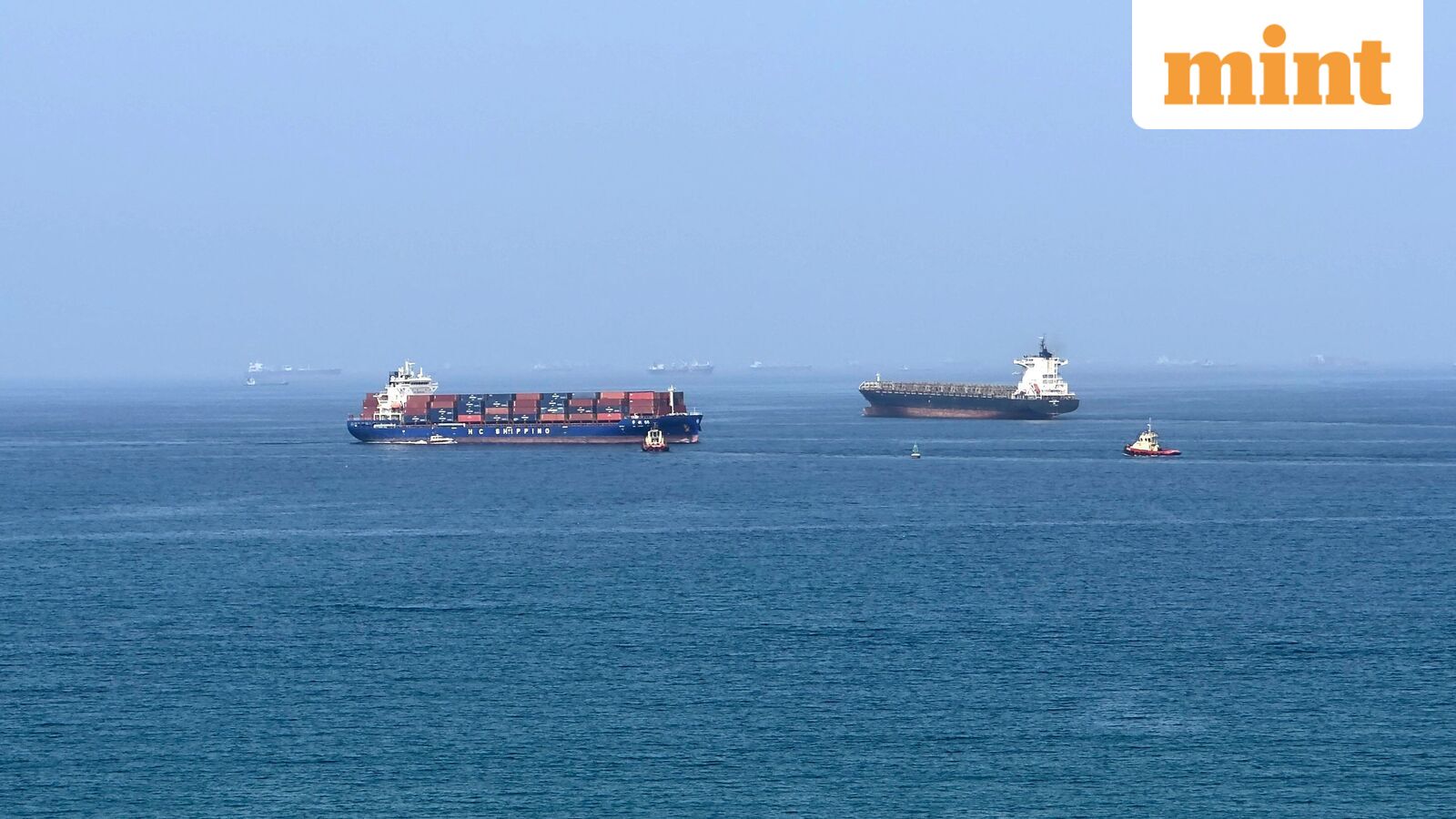
Shipping slows through Strait of Hormuz after tanker attacks
Ship tracking data from Kpler showed five commodity vessels transited the strait on Saturday, with none registered for Sunday.
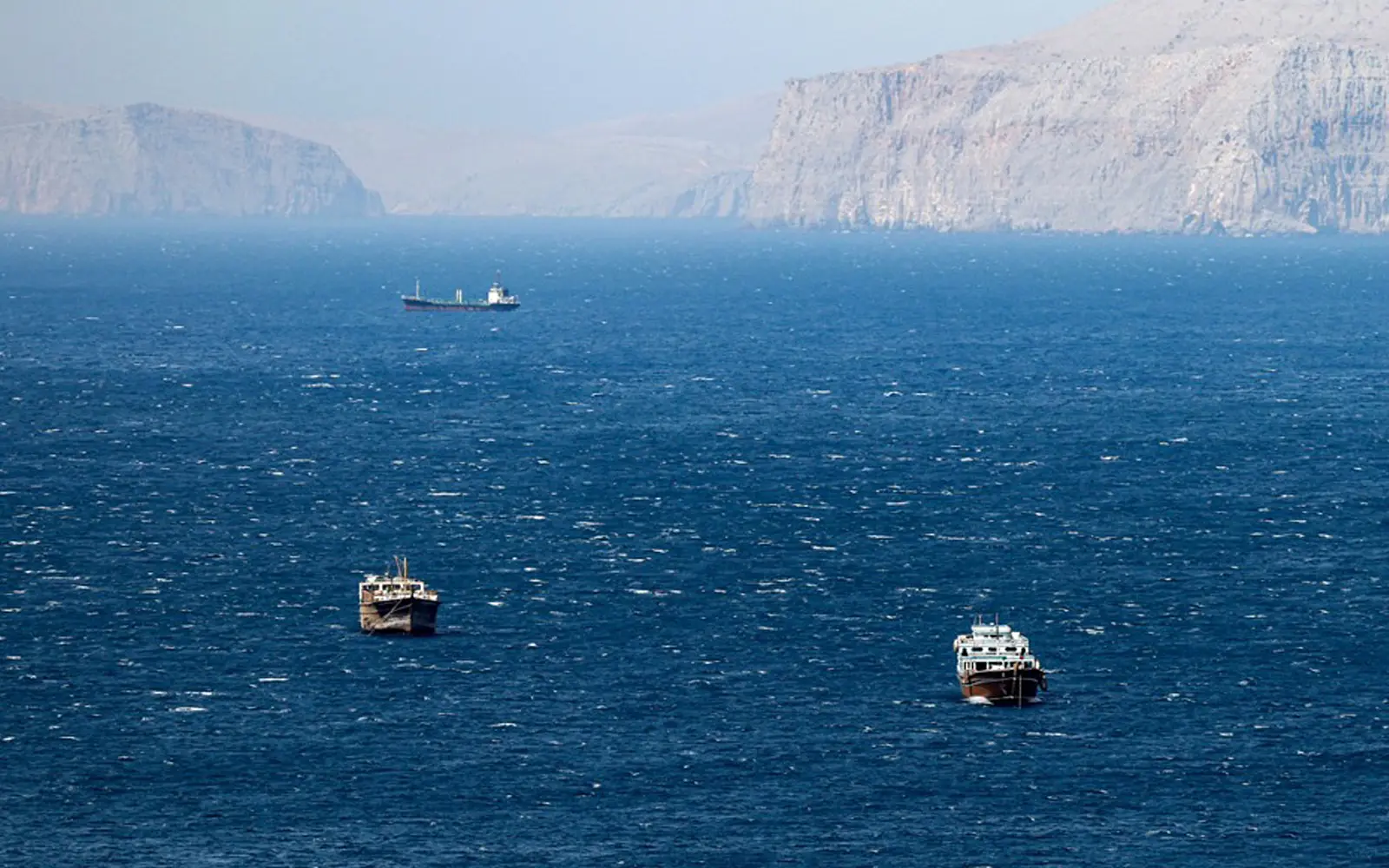
Shipping activity through the Strait of Hormuz experienced a significant slowdown following a series of attacks on tankers, according to recent data. The United Arab Emirates reported that three vessels operated by the Abu Dhabi National Oil Company were targeted while traversing the strait last week. This development coincided with stalled US-Iran talks aimed at resolving the ongoing Middle East conflict.
Data from Kpler, a shiptracking service, revealed that only five commodity vessels passed through the strait on Saturday, with none recorded for the following Sunday. In contrast, 31 ships typically transited the strait during the previous weekend. Among the vessels observed were an empty Very Large Crude Carrier with its Automatic Identification System disabled and an Indian-flagged Very Large Gas Carrier that utilized the Iranian route. One small tanker carrying Iranian fuel oil also exited the strait during this period.
The attacks on the UAE-operated tankers have raised concerns among global shipping companies, as the strait is a critical route for nearly a fifth of the world's crude oil and liquefied natural gas shipments. Prior to the recent escalation, the Strait of Hormuz facilitated the passage of over 130 vessels per day. However, the current situation appears far removed from the pre-war norm, with a noticeable decline in maritime traffic.
US officials have indicated their willingness to maintain a naval blockade of Iran indefinitely, further complicating the already tense situation. The United States maintains that Iran must meet certain conditions related to the Strait of Hormuz before shipping activity can resume. Foreign Minister Abbas Araqchi of Iran, speaking in an interview with local media, echoed this sentiment, emphasizing the need for Iran to comply with certain demands in order to restore normal shipping conditions.
The impact of these attacks extends beyond the immediate region, as the Strait of Hormuz is a vital artery for global energy trade. The waterway handled a significant portion of the world's shipments of crude oil and liquefied natural gas before the ongoing conflict between the US and Iran. The recent disruptions, particularly in the Bab el-Mandeb strait where Yemeni Houthis have declared a naval blockade on Saudi Arabia, have further exacerbated the challenges faced by the maritime industry.
Written by urgent.news from Free Malaysia Today's reporting — not their text. Machine-written — may contain errors; check the original before relying on it.
This story
This is one outlet's version. Read the fullest account.
- Shipping slows through Strait of Hormuz after tanker attacks freemalaysiatoday.com