School Vaccination Rates Inch Down and Exemptions Reach Record High
(MedPage Today) -- U.S. kindergarten vaccination rates inched down again last year and the share of children with exemptions rose to an all-time high, according to federal data posted Monday. The fraction of kids exempted from vaccine requirements...
Kindergarten vaccination rates have declined once again, with the share of children exempting from vaccine requirements reaching a record high, according to federal data released on Monday. The exemption rate rose to 4.2%, up from 3.6% in the previous year, representing an estimated 155,000 children across the nation during the 2025-2026 school year.
This is the fourth consecutive year that the national average exemption rate has hit a new record, with most exemptions being granted for nonmedical reasons. The increase in exemptions was observed in 41 states and the District of Columbia.
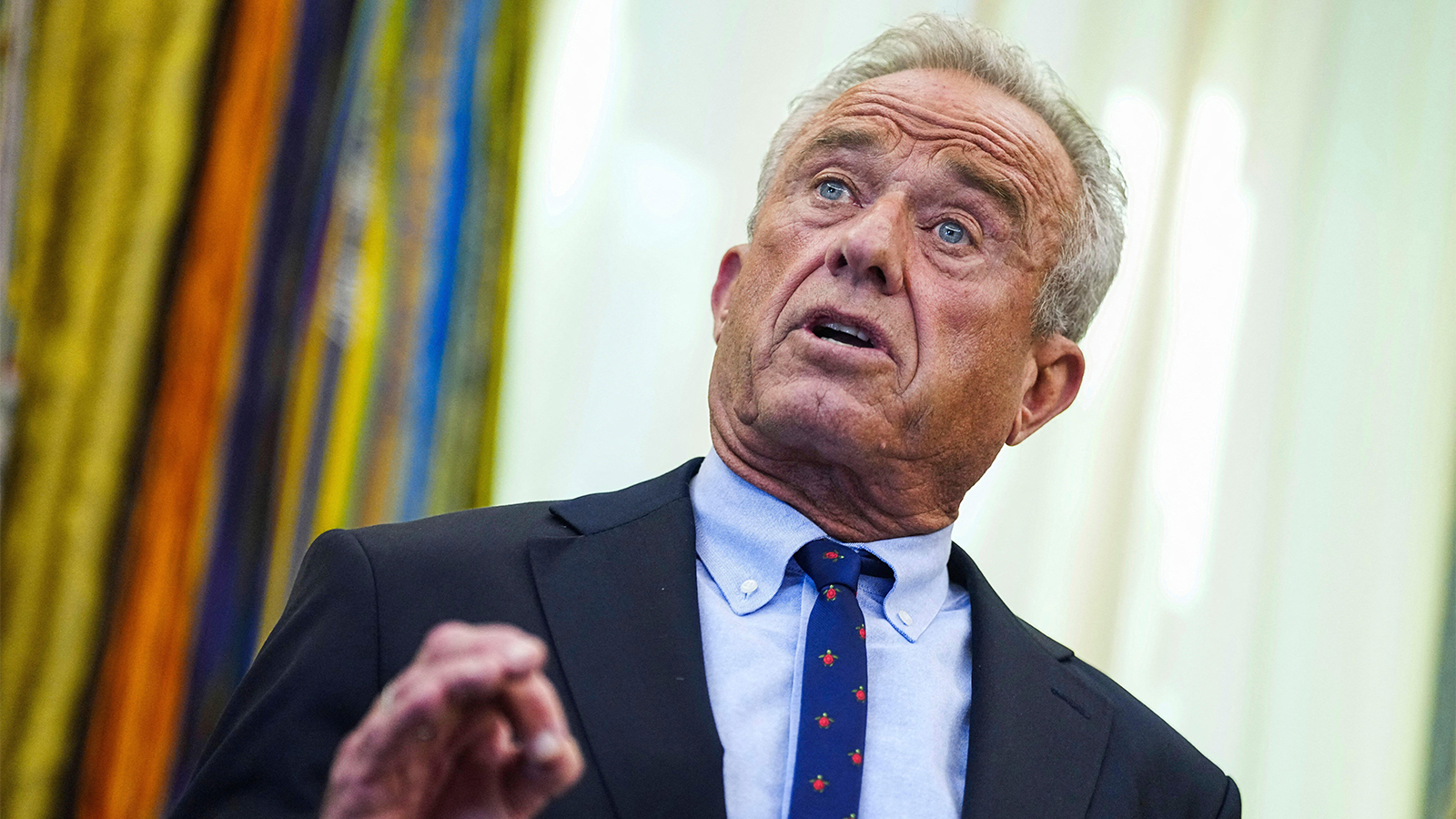
Experts attribute this trend to the turmoil caused by federal health officials, particularly U.S. Health Secretary Robert F. Kennedy Jr., who was a prominent figure in the antivaccine movement before being appointed to lead federal health agencies by President Donald Trump. In recent months, Kennedy and other federal officials have repeatedly attempted to revise and reduce childhood vaccination guidance.
Additionally, President Trump recently called for revamped childhood vaccination recommendations, promoting his discredited theory that shots should be spaced out into separate medical visits.
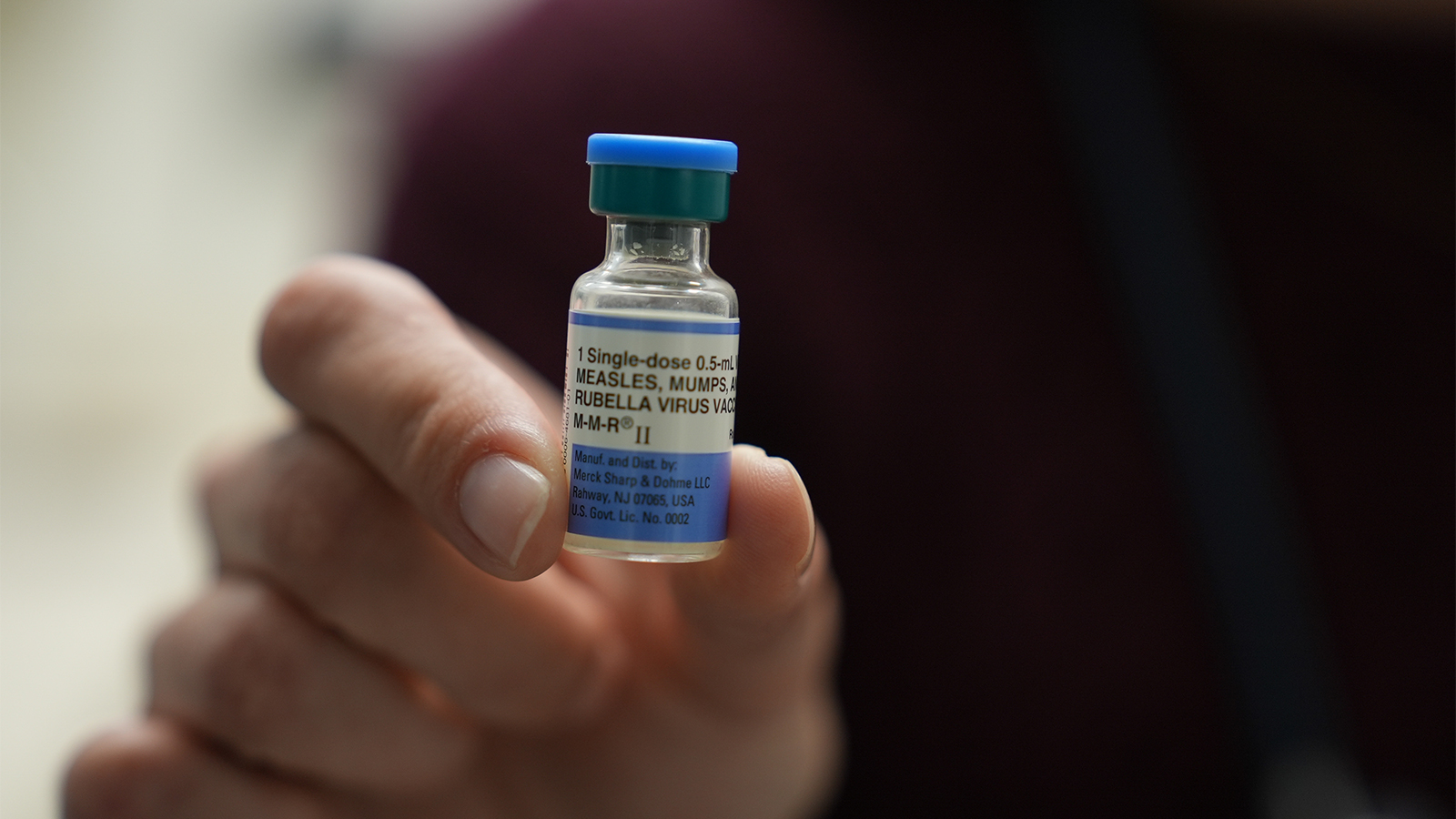
Dr. James Campbell, a pediatrician from the American Academy of Pediatrics, explained that the root cause of the issue lies in the chaos and confusion surrounding vaccination recommendation systems over the past year. The CDC reported that 92.4% of 2025-26 kindergarteners received their required measles-mumps-rubella shots, a slight decrease from the previous year. Before the COVID-19 pandemic, the vaccination rate stood at 95%, the level that minimizes the risk of a single infection sparking a disease cluster or outbreak.
Furthermore, vaccination rates also dropped for polio, the combination shot against diphtheria, tetanus, and pertussis, and for the first dose of the chickenpox vaccine. The rate remained stable for protection against hepatitis B. However, it is worth noting that the recent federal efforts to alter infant hepatitis B vaccine recommendations will not be reflected in the vaccination rates of kindergartners for a few years.
The CDC data comes at a time when the U.S. is experiencing its worst year for measles since 1991, indicating that over a quarter of a million children entering kindergarten are at risk of contracting measles. These at-risk children are not evenly distributed, with concentrations of unvaccinated children being higher in certain areas, which contributes to the varying intensity of measles waves.
As school and health officials across the country urge parents to vaccinate their children as the new school year begins, the CDC data serves as a timely reminder of the importance of vaccines in keeping children and teens healthy and in the classroom. North Carolina Health and Human Services Secretary Dev Sangvai emphasized that vaccines play a crucial role in protecting our children's health and should be a shared responsibility and goal.
Written by urgent.news from MedPage Today's reporting — not their text. Machine-written — may contain errors; check the original before relying on it.