School vaccination rates inch down again to record low
U.S. kindergarten vaccination rates have declined again, with exemptions reaching a record high for the 2025-2026 school year
Last year, U.S. kindergarten vaccination rates fell again, with an all-time high share of children exempted from vaccine requirements, according to federal data released on Monday. The proportion of kids exempted rose to 4.2%, up from 3.6% the previous year. This corresponds to an estimated 155,000 children across the nation during the 2025-26 school year.
This marks the fourth consecutive year that the national average exemption rate hit a record high, with most exemptions granted for non-medical reasons. Exemptions increased in 41 states and Washington D.C.
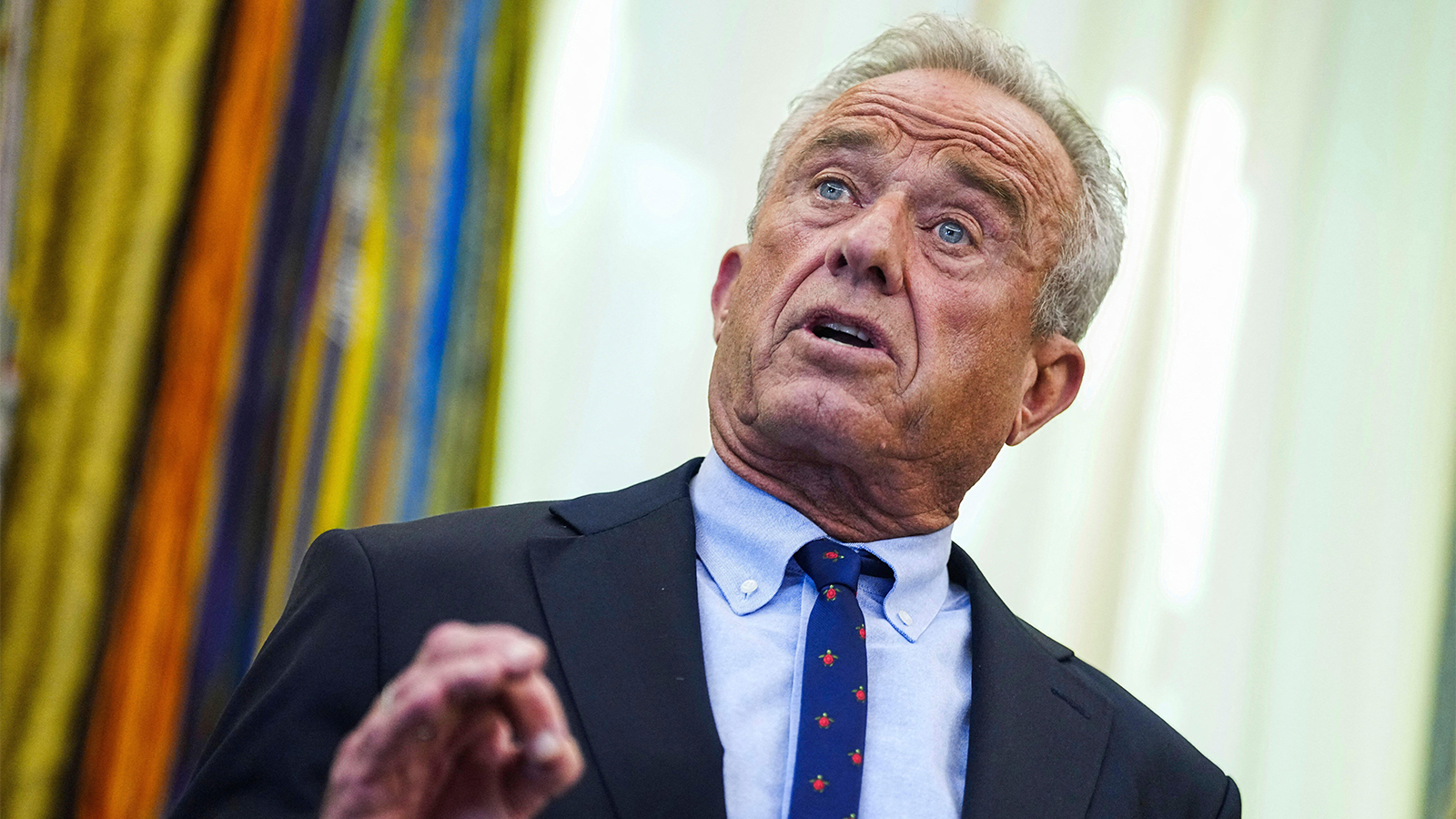
Experts point to chaos in vaccine guidance as the primary reason behind the decline. U.S. Health Secretary Robert F. Kennedy Jr., who was a leading voice in the antivaccine movement before joining federal health agencies, and other federal officials have repeatedly advocated for revisions and reductions in childhood vaccination recommendations.
Earlier this month, President Trump called for revamped childhood vaccination recommendations, suggesting that shots should be spaced out into separate medical visits, a suggestion medical organizations dispute.
Dr. James Campbell of the American Academy of Pediatrics attributes the situation to the confusion and chaos in vaccination recommendation systems over the past year. The CDC reported that 92.4% of 2025-26 kindergartners received their required measles-mumps-rubella shots, down slightly from the previous year. Before the COVID-19 pandemic, the vaccination rate was 95%, the level that made it unlikely for a single infection to spark a disease cluster or outbreak.
The vaccination rates also fell for polio, the combination shot against diphtheria, tetanus and pertussis, and the first dose of the chickenpox vaccine. The rate for protection against hepatitis B remained steady, but since recent federal efforts to alter infant hepatitis B vaccine recommendations have yet to appear in kindergartners' vaccination rates, it will take a few more years to see their impact.
At the same time, the U.S. is experiencing its worst measles year since 1991. Over a quarter of a million kindergartners entering school are susceptible to measles, according to Campbell, a researcher and chair of the AAP's infectious diseases committee. These at-risk children are not evenly distributed, with higher concentrations in some areas, explaining the varying intensity of measles outbreaks.
As back-to-school season begins, school and health officials across the country are urging parents to vaccinate their children. The CDC's data is being released at a time when public health officials are emphasizing the importance of vaccination rates for kindergartners, as schools can serve as breeding grounds for germs and launchpads for community outbreaks.
Written by urgent.news from CBS News's reporting — not their text. Machine-written — may contain errors; check the original before relying on it.