Sberbank’s profits keep breaking records—its Western shareholders cannot collect a ruble
Russia’s largest bank keeps setting profit records and paying record dividends. For its shareholders in the West, that money is frozen in accounts they cannot touch.
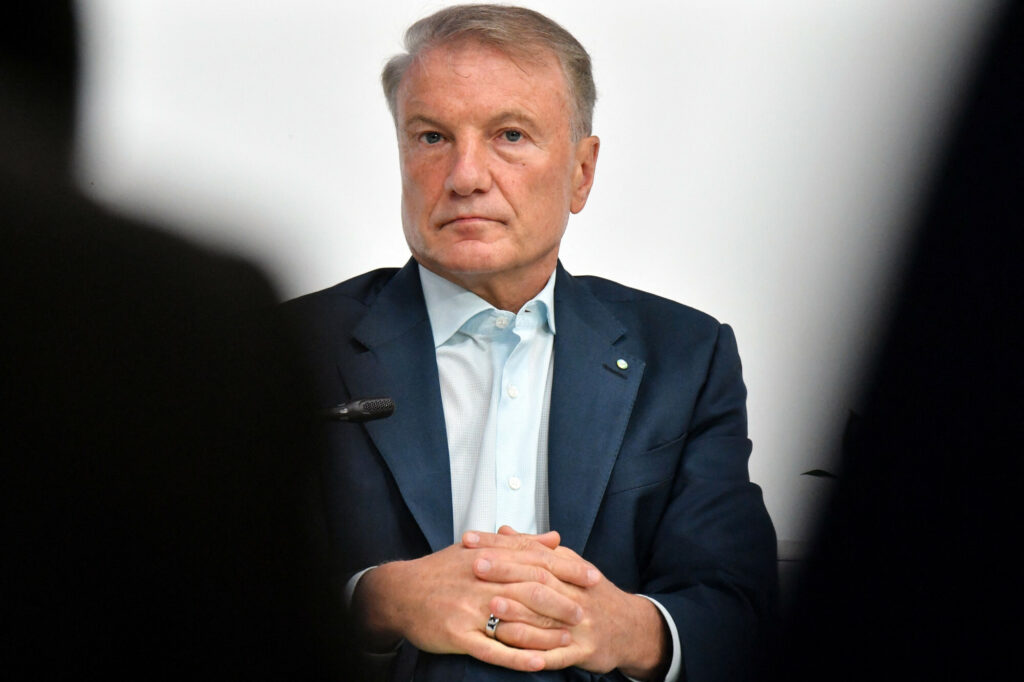
Sberbank, Russia's largest bank, has recently reported another record-breaking profit, with the first half of 2026 alone yielding over 1 trillion rubles, marking a nearly 20% increase from the previous year. This profit surge comes as the Central Bank of Russia describes the economy as only moderate after a downturn at the beginning of the year.
However, Western shareholders are unable to access any portion of these profits. In 2025, the bank posted its third consecutive record full-year profit, with a dividend set for that year being its largest ever. A significant portion, about a quarter, of the 2024 payout was reserved in restricted accounts for shareholders from "unfriendly" countries, who are unable to access these funds.
The Russian state, which owns nearly half of Sberbank, collects roughly half of every payout, as the country faces a budget deficit of around 6 trillion rubles ($71 billion) in the past five months. Despite the record profits, the MOEX index, a key gauge of the Moscow Exchange, has experienced a 17-week losing streak, the longest since 1997, and is near its levels from the start of Russia's full-scale invasion in February 2022.
While the bank offers yields above 10% on paper, the stock has fallen about 14% over the past year, so the record dividend does not even cover the price drop for foreign holders, resulting in a loss for them without the added benefit of the dividend. The Russian government implemented the type-C system in 2022 to counteract Western sanctions that froze its reserves abroad, and has expanded its scope to include ordinary bank deposits, with repayments and interest above 10 million rubles now also being blocked.
Although a Supreme Court ruling in April 2025 allowed an investor to swap their frozen depositary receipts for actual shares held in Russia, this ruling does not extend to dividends, which still land in type-C accounts. A compensation scheme exists for holders with "unfriendly" connections in their ownership chain, but a draft law proposes that the state could seize the balances in type-C accounts outright.
Written by urgent.news from Euromaidan Press's reporting — not their text. Machine-written — may contain errors; check the original before relying on it.