Reinventing the Slave Narrative: Ishmael Reed on Flight to Canada at 50
I was fourteen when my interest in history began. I placed third in Buffalo’s citywide Richmond Speaking Contest. All three of us winners received certificates for book purchases, and I bought a picture book about Stalin’s regime. I became so
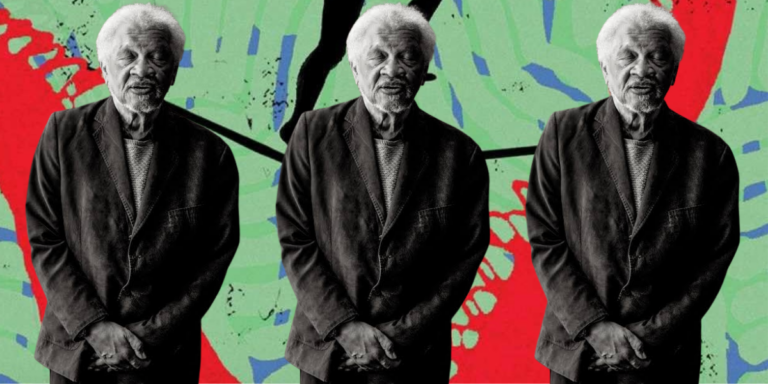
Ishmael Reed, an influential writer, began his fascination with history at the age of fourteen. He won a city-wide contest and bought a picture book about Stalin’s regime, becoming engrossed in it even during Stalin’s funeral. Reed's education focused on European history, where African people were depicted as content under slavery, with Blacks dancing to fiddles.
This portrayal was reinforced by textbooks, films like Gone with the Wind and Birth of a Nation, and even historian Shelby Foote, who defended the Klan and compared them to the French Resistance.
It wasn't until Reed read W. E. B. Du Bois’s Black Reconstruction that he learned about Black legislators passing progressive legislation during Reconstruction, which he believes aligns with white diarists' testimonies. Despite this, the curriculum presented a white supremacist perspective, denying Black achievements and victories.
Reed's search for alternative information led him to Joel Augustus Rogers's 100 Amazing Facts about the Negro with Complete Proof, which challenged his preconceived notions about history. Although his teachers dismissed Rogers's claims, Reed remained determined to uncover the truth.
Despite the challenges, Reed's generation embraced a diverse range of historical perspectives, with more female, Hispanic, Native American, Asian American, and Black historians entering the field. However, they still faced resistance from politicians and best-selling historians who upheld traditional viewpoints. Reed's play, The Haunting of Lin-Manuel Miranda, questioned the depiction of slave owner Alexander Hamilton in the musical Hamilton, highlighting the need for diverse historical narratives.
Written by urgent.news from Literary Hub's reporting — not their text. Machine-written — may contain errors; check the original before relying on it.