Rebecca Solnit: When Penelope Tried to Spin Her Own Fate
From long before the time of Homer until the recent past—and in the present in some traditional societies—turning an amorphous mass of wool into thread via spinning and then weaving that into fabric was both an important skill and a
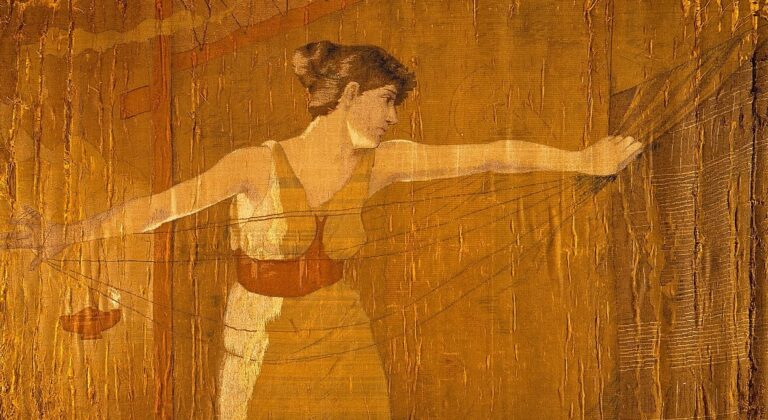
From ancient times to the present, the act of turning wool into fabric through spinning and weaving has held deep metaphorical significance. The metaphor of spinning a thread or weaving a story has persisted, even extending to contemporary expressions such as email threads and social media exchanges. The distaff, a tool for holding unspun fiber, became associated with women and their role in the household, while "spinster" originally denoted an unmarried woman but has been reclaimed more recently.
The concept of storytelling as a form of spinning or weaving finds its roots in Greek mythology, specifically the Moirai, or Fates, who controlled human destinies through threads. In Homer's epic, Penelope embodies this power by unweaving and rewinding the tapestry she wove for her absent husband, thus controlling the narrative of her own life.
This act of unweaving not only symbolizes her control over time but also represents her ability to shape her destiny independently of the suitors' expectations. The Moirai, with their three roles of spinning, measuring, and cutting the thread of life, further emphasize the connection between human fate and the linear nature of time.
Penelope's unconventional use of the loom allows her to defy traditional power structures and craft her own unique narrative, weaving together various threads of her past, present, and potential future. As she masters the art of unweaving and rewinding, Penelope demonstrates the power of narrative manipulation, reshaping her life and the lives of those around her.
Her story serves as a testament to the enduring impact of metaphorical thinking and the transformative potential of storytelling.
Written by urgent.news from Literary Hub's reporting — not their text. Machine-written — may contain errors; check the original before relying on it.