Pune Digital Arrest Scam: Police Suspect Cryptocurrency, Hong Kong-Link Behind ₹10.74 Crore Scam By Influencer Rohan Jadhav
A social media influencer, a “digital arrest” scam and a money trail spread across 5,436 bank accounts — that is the trail Pune Police say they have uncovered while investigating a Rs 10.74 crore cyber fraud. Pune Police have arrested social media influencer Rohan Jadhav, who allegedly helped route money siphoned from an elderly man in a digital arrest scam through thousands of bank accounts.…
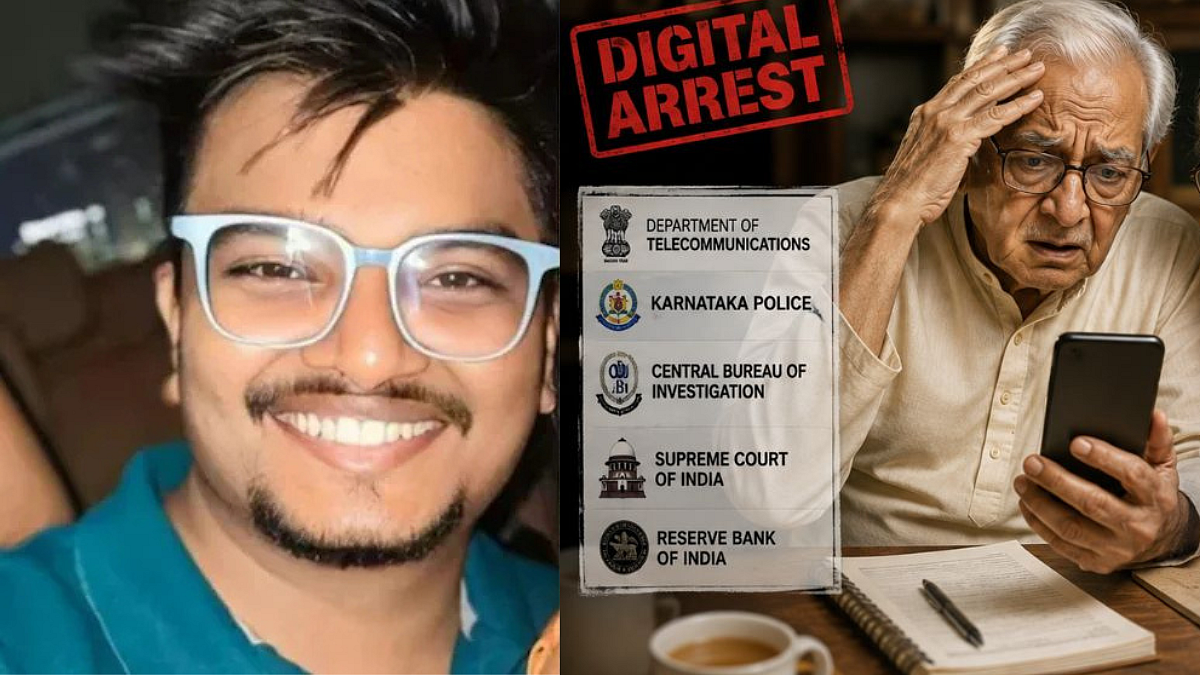
Pune Police have uncovered a sophisticated cyber fraud scheme resulting in a loss of ₹10.74 crore through a tactic known as "digital arrest." The victim, an 85-year-old ex-army officer, was contacted by cyber criminals who impersonated Central Bureau of Investigation officers. They threatened him with arrest, pressuring him into transferring a large sum into various bank accounts controlled by a network of fraudsters.
This "digital arrest" trap led to the victim withdrawing ₹62.55 lakh from an ATM, triggering the investigation.
Investigations soon revealed that the funds were routed through 5,436 bank accounts, making it difficult to trace the money. The central figure in this scheme is Rohan Jadhav, a social media influencer from Chhatrapati Sambhajinagar. Jadhav reportedly helped launder the stolen money through a complex web of transactions, including regular communication with handlers in Hong Kong via Telegram.
It is suspected that he settled accounts with his overseas contacts using cryptocurrency, earning a commission for converting and routing the money abroad.
During questioning, one of the suspects, Harshad Subhash Dhantole, admitted that the cash he withdrew was handed over to Jadhav. The influencer had built a significant following online as a "reel star" and also operated a celebrity management business. Two separate cases have been registered against Jadhav in Pune and Pimpri-Chinchwad. The investigation, led by Police Inspector Swapnali Shinde, is now expanding to uncover if this case is part of a larger cross-border cybercrime network.
Written by urgent.news from Free Press Journal's reporting — not their text. Machine-written — may contain errors; check the original before relying on it.