Poor oral health linked to diabetes, hypertension
Poor oral hygiene and gum disease could contribute to poor blood sugar control and high blood pressure, a dental surgeon has warned, urging Ghanaians to take oral health seriously as part of efforts to prevent non-communicable diseases. Dr Emmanuel Baah Abekah, the founder of Aura Family Dental Care, said severe gum disease could increase blood … The post Poor oral health linked to diabetes,…

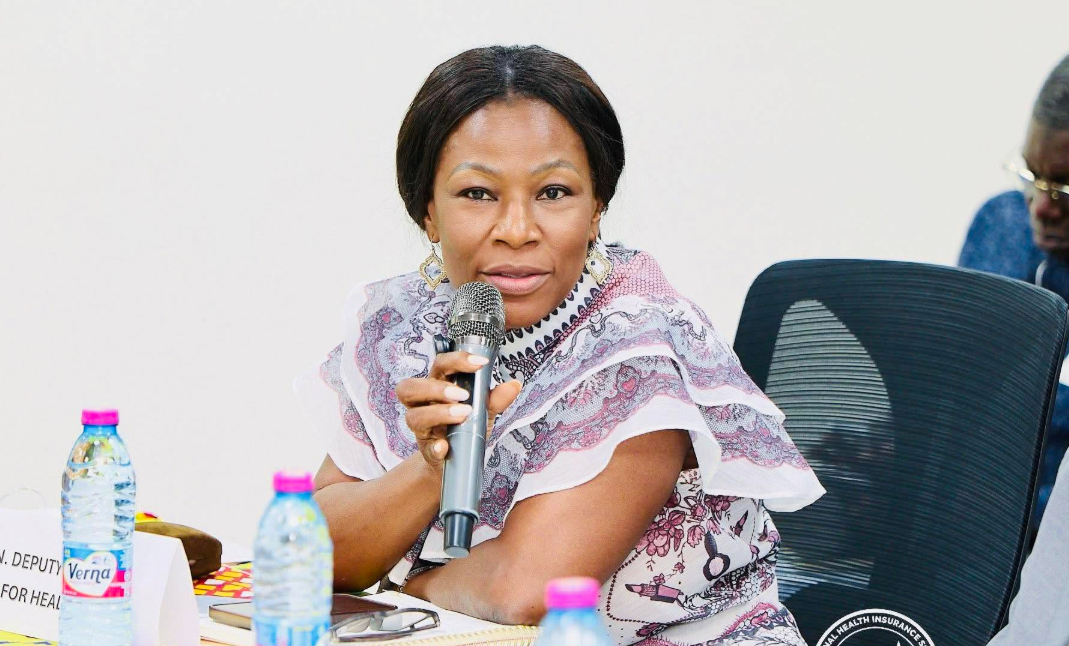
Ghanaians are being urged to prioritize oral health in the fight against non-communicable diseases, such as diabetes and hypertension, according to Dr Emmanuel Baah Abekah, a dental surgeon. He highlighted the strong relationship between gum disease, diabetes, and hypertension, emphasizing that each condition could exacerbate the other.
Dr Abekah explained that severe gum disease could raise blood sugar levels, making diabetes more challenging to manage, while uncontrolled diabetes could worsen gum inflammation and hinder the body's ability to fight infections and heal.
He noted that the relationship between gum disease and diabetes is bidirectional, meaning each condition can worsen the other. When someone has severe gum disease, it can cause blood sugar levels to rise due to insulin resistance, a common issue in diabetes. Conversely, diabetes can cause gum inflammation, further complicating blood sugar control.
In terms of hypertension, Dr Abekah stated that gum disease inflammation could negatively impact blood vessels, contributing to high blood pressure. He also mentioned that certain hypertension medications, such as amlodipine, could lead to gum enlargement, increasing the risk of gum inflammation when plaque is present.
Dr Abekah emphasized that gum disease begins when bacteria accumulate in the mouth to form plaque, which, if not removed, can harden into calculus. This hardened deposit can release substances that damage the tissues supporting teeth, leading to inflammation, bone loss, receding gums, bleeding, and eventually tooth loss.
He estimated that at least one in three patients would have gum problems, partly due to insufficient dental check-ups and professional cleaning. He advised individuals with swollen, thick, or bleeding gums to seek dental examinations and have their blood sugar levels checked if necessary.
Treatment of gum disease can improve blood sugar control, according to Dr Abekah, with research showing a 0.4 percentage-point reduction in glycated hemoglobin (HbA1c) levels three months after periodontal treatment. HbA1c is a blood test that indicates average blood sugar levels over the previous two to three months. He also addressed misconceptions that discourage some Ghanaians from seeking dental care, including the belief that visiting a dentist always means losing a tooth.
He clarified that extraction is typically a last resort and stressed that early detection and treatment can help preserve natural teeth. Another misconception he addressed was the notion that dental care is necessarily expensive. He explained that delaying treatment could make it more costly, as a minor issue could escalate into a condition requiring extensive intervention.
Written by urgent.news from Ghanaian Times's reporting — not their text. Machine-written — may contain errors; check the original before relying on it.
Also reported by 1 other outlet
- Ghana: Poor Oral Health Linked to Diabetes, Hypertension allafrica.com