Pixel 11 Pro XL vs. iPhone 17 Pro Max: I Compared Google and Apple’s Flagship Phones
Choosing between Android and iOS? I’m here to help you decide between the $1,199 iPhone 17 Pro Max and the brand-new $1,299 Pixel 11 Pro XL.
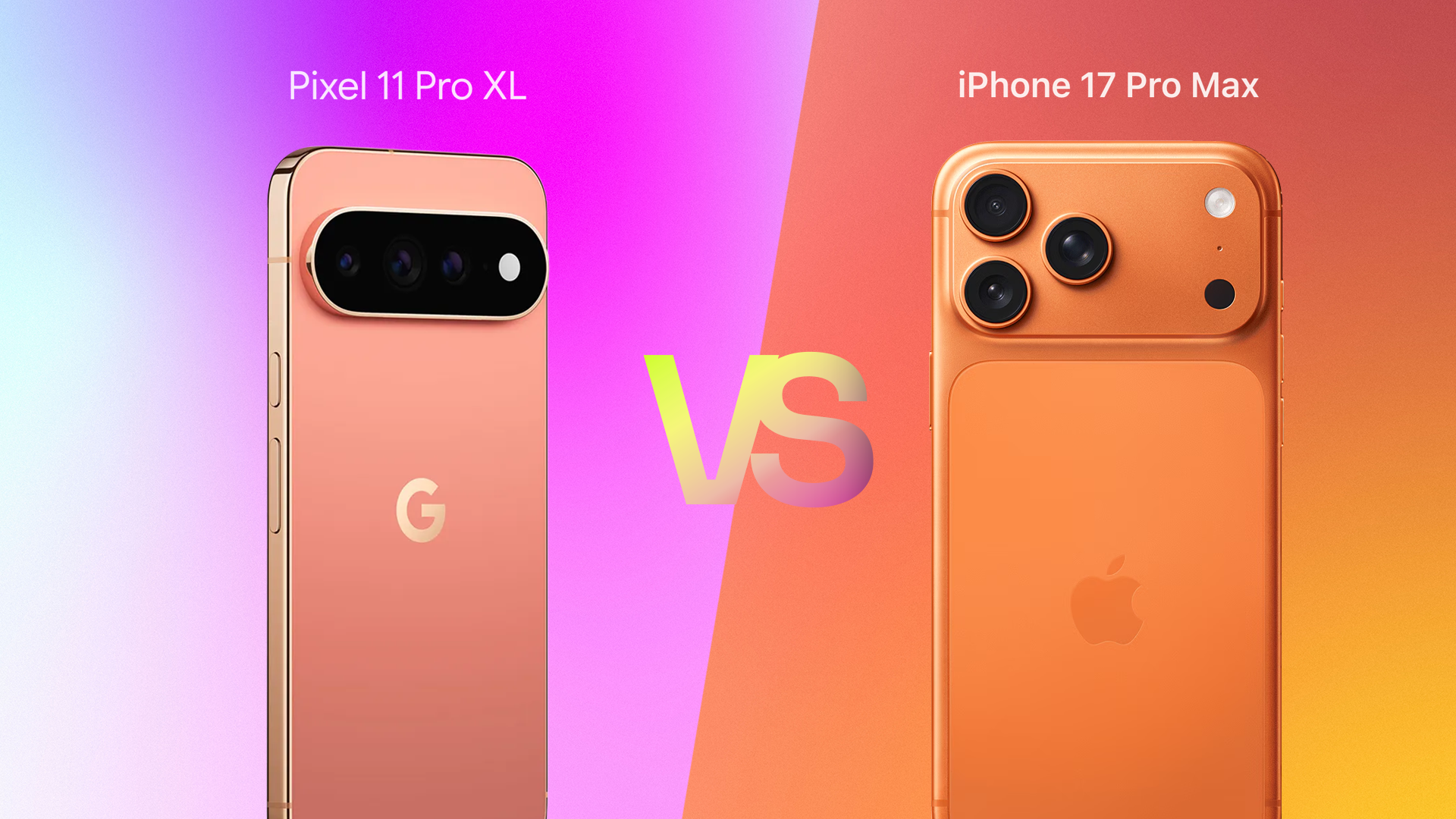
Google's Pixel 11 Pro XL and Apple's iPhone 17 Pro Max are two of the latest flagship smartphones on the market. Both devices boast impressive specifications, but which one comes out on top? The Pixel 11 Pro XL offers a larger 6.8-inch OLED display, while the iPhone 17 Pro Max has a slightly bigger 6.9-inch display. However, the Pixel 11 Pro XL takes the lead in screen brightness, boasting a rating of 3,600 nits compared to the iPhone's 3,000 nits.
This could be a significant advantage when using the phone outdoors or in bright environments. In terms of camera systems, the Pixel 11 Pro XL features a punch-hole camera for selfies, while the iPhone 17 Pro Max utilizes a pill-shaped Dynamic Island. Google has also integrated a new HiLight LED on the Pixel 11 Pro XL, which pulses colors based on incoming calls and conversations with Gemini.
The iPhone 17 Pro Max, on the other hand, offers unique buttons for quick camera access and pressure sensitivity for adjusting photo settings. Performance-wise, Google's Tensor G6 chipset promises 25% faster browsing speeds and 3.5 times faster on-device AI processing compared to Apple's 3nm A19 chipset. However, the Pixel 11 Pro XL comes equipped with a larger 5,115-mAh battery, which may provide longer battery life than the iPhone 17 Pro Max's 5,088 mAh battery.
Ultimately, the choice between these two devices will depend on individual preferences and priorities, such as display brightness, camera features, performance, battery life, and the user experience provided by the respective operating systems.
Written by urgent.news from CNET's reporting — not their text. Machine-written — may contain errors; check the original before relying on it.