PAP, WP continue to clash over opposition party’s economic proposals
The debate has continued online following criticism of the WP by a former senior minister of state.
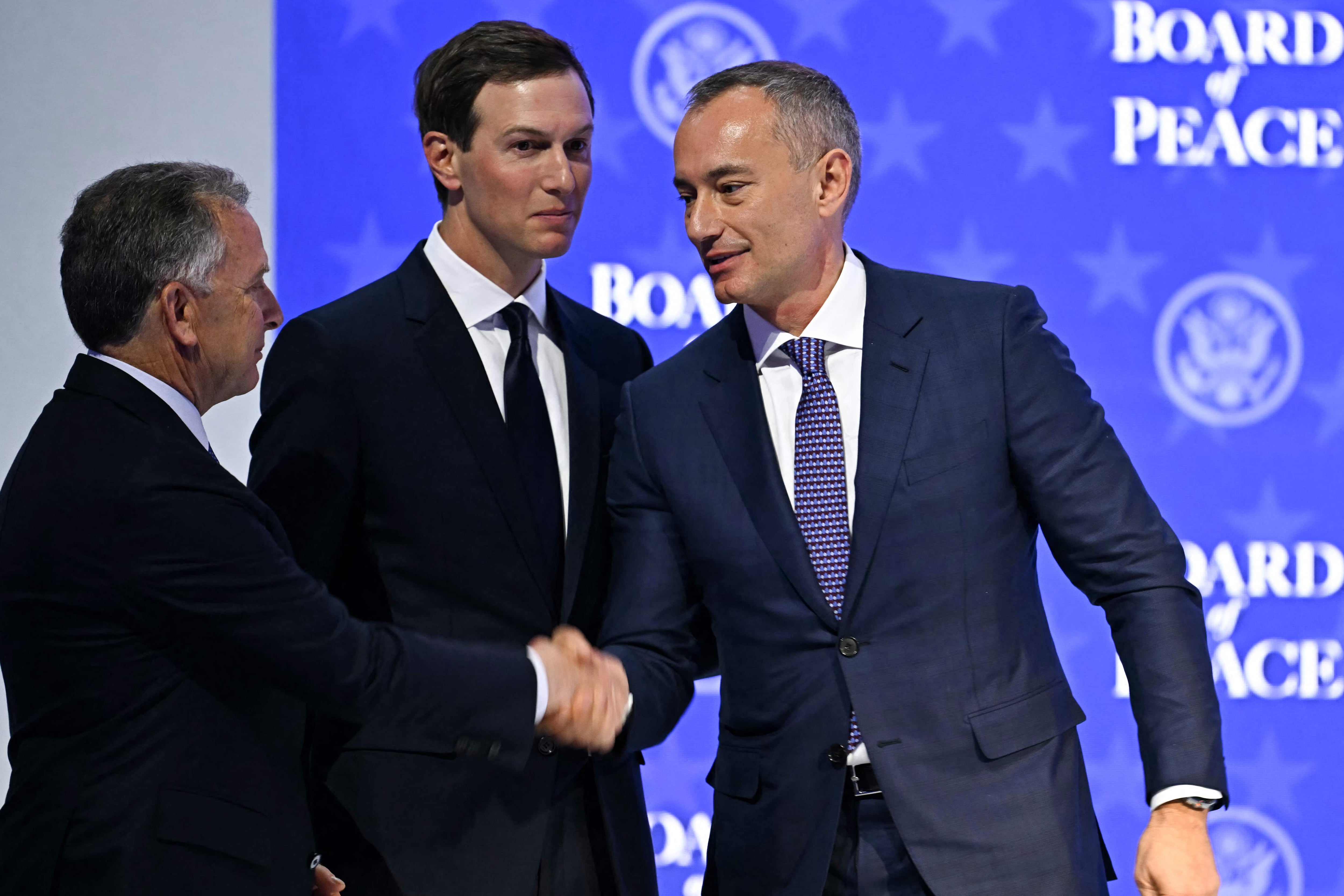
The ongoing disagreement between the ruling PAP and the Workers' Party (WP) centers on the WP's economic proposals, as criticized by former senior minister of state Lee Yi Shyan. On August 16, Lee's Facebook post highlighted the WP's lack of a coherent and well-grounded plan for Singapore's economy, questioning its proposals' seriousness.
The WP's motion on the future of Singapore's economy was tabled on August 5, seeking to present its alternative economic playbook. However, upon closer examination, Lee argued that the WP's plan lacked consistency and groundedness, calling it political opportunism. Lee's comments gained support from sitting ministers such as K. Shanmugam, Chee Hong Tat, and Ng Chee Meng, who echoed his views on the WP's arguments.
The WP responded to Lee's post, with Kenneth Tiong and Jamus Lim moving the motion and disagreeing with Lee's characterization of the WP's arguments. Tiong claimed that Lee had misrepresented the WP's economic proposals, suggesting a "false binary" regarding the trade-offs involved. The central point of contention between the PAP and WP is the WP's stance on the role of multinational corporations (MNCs) in Singapore's economy.
Lee argued that while Singapore wants dynamic local companies and healthy domestic demand, neither can replace foreign investment and global markets. He highlighted that the WP eventually accepted the PAP's amendments to the motion, affirming the importance of both global companies and local enterprises. However, the WP maintains that it never suggested choosing between local enterprises and multinationals and pushed back against Lee's assertion that it backed down.
Both sides continued to exchange posts, with the WP's Lim emphasizing the need for an SME-driven innovation engine and questioning the PAP's focus on political point-scoring. Both parties also addressed the role of political debate in navigating geopolitical headwinds, with Tiong emphasizing the importance of policy-first politics and the ability to engage in serious policy debate without scoring political points.
Written by urgent.news from Straits Times's reporting — not their text. Machine-written — may contain errors; check the original before relying on it.