Pakistan's cosmetic boom outpaces oversight
https://www.dawn.com/news/2023253
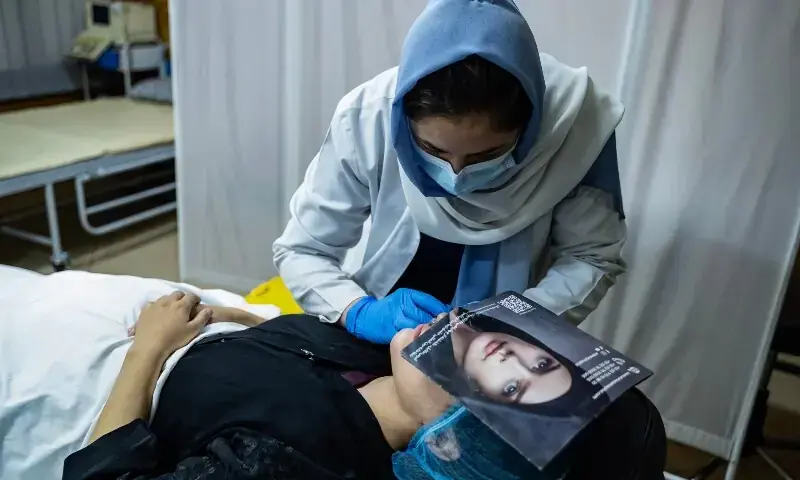
Pakistan's booming cosmetic industry, valued at multi-billion rupees, is expanding rapidly at an estimated 40 percent annually. This growth is fueled by an image-conscious urban elite, despite the country facing significant healthcare challenges such as preventable childhood malnutrition and waterborne diseases that claim many young lives each year.
With around 200,000 regular aesthetic clinic clients and 10,000 practitioners, the sector boasts a practitioner-to-client ratio of one for every 20 clients. This stark contrast highlights the country's prioritization of aesthetic procedures over essential healthcare needs. Federal and provincial health authorities, including the Pakistan Medical and Dental Council, Drug Regulatory Authority of Pakistan, Securities and Exchange Commission of Pakistan, and various healthcare commissions, have not raised concerns about the post-Covid surge in aesthetic clinics or the growing demand for cosmetic procedures.
However, Pakistan lacks unified standards for licensing practitioners, approving procedures, and monitoring products, leaving many clinics operating with limited oversight of qualifications, procedures, and substances used. This has raised growing concerns about patient safety. Popular aesthetic treatments include HydraFacial, laser hair removal, platelet-rich plasma therapy, glutathione skin-brightening drips, and hair transplants, among others.
Botox, dermal fillers, high-intensity focused ultrasound treatments, chemical peels, and carbon facials are also gaining popularity due to their quick results and minimal downtime.
Leading aesthetic clinic chains include 3D Lifestyle, SL Aesthetics, AlKhaleej Clinics, Skin Bliss Aesthetic Clinics, with multiple branches in major cities like Karachi. Procedure costs vary depending on the city, surgeon, and complexity. Hair transplants range between Rs60,000 to 400,000, rhinoplasty between Rs150,000 to 450,000, and liposuction between Rs60,000 to Rs1 million. Botox treatments typically cost between Rs80,000 and Rs2 million.
Federal Health Minister Mustafa Kamal was approached for comment, with his response awaited. The President of the Pakistan Medical and Dental Council, Prof Rizwan Taj, mentioned that a specialist board for aesthetic medicine has been constituted to regulate the sector and address complaints, pending formal notification by the ministry.
Dr Obaidullah, CEO of the Drug Regulatory Authority of Pakistan, shared data on Botox imports, revealing 8,204 units in three consignments over the past year. However, he did not disclose the value of these imports or provide details on other registered aesthetic products.
Dr Obaidullah also acknowledged a sharp rise in demand for cosmetic drugs and chemicals, partly met by local manufacturers and imports, alongside an informal market for cheap, substandard products. The Sindh Healthcare Commission has launched a registration and licensing drive for aesthetic clinics and an anti-quackery campaign, but only 26 facilities have been registered so far.
Similarly, the Securities and Exchange Commission of Pakistan and the Sindh Revenue Board are unable to provide data on aesthetic companies due to a lack of specific classification for these industries.
Despite these challenges, the sector has delivered a 40 percent revenue growth in the fiscal year 2026. The Sindh Revenue Board plans to expand registration, improve documentation, and strengthen compliance to bring more providers into the tax net.
Written by urgent.news from Dawn Business's reporting — not their text. Machine-written — may contain errors; check the original before relying on it.