Opium farmers demand more farming licences, ₹1 lakh per kilogram
Ahead of the announcement of the opium licensing policy for 2026-27, scheduled for September, opium farmers from Madhya Pradesh, Rajasthan and Uttar Pradesh have urged the Union Government to formulate it in a manner that benefits the country and farmers
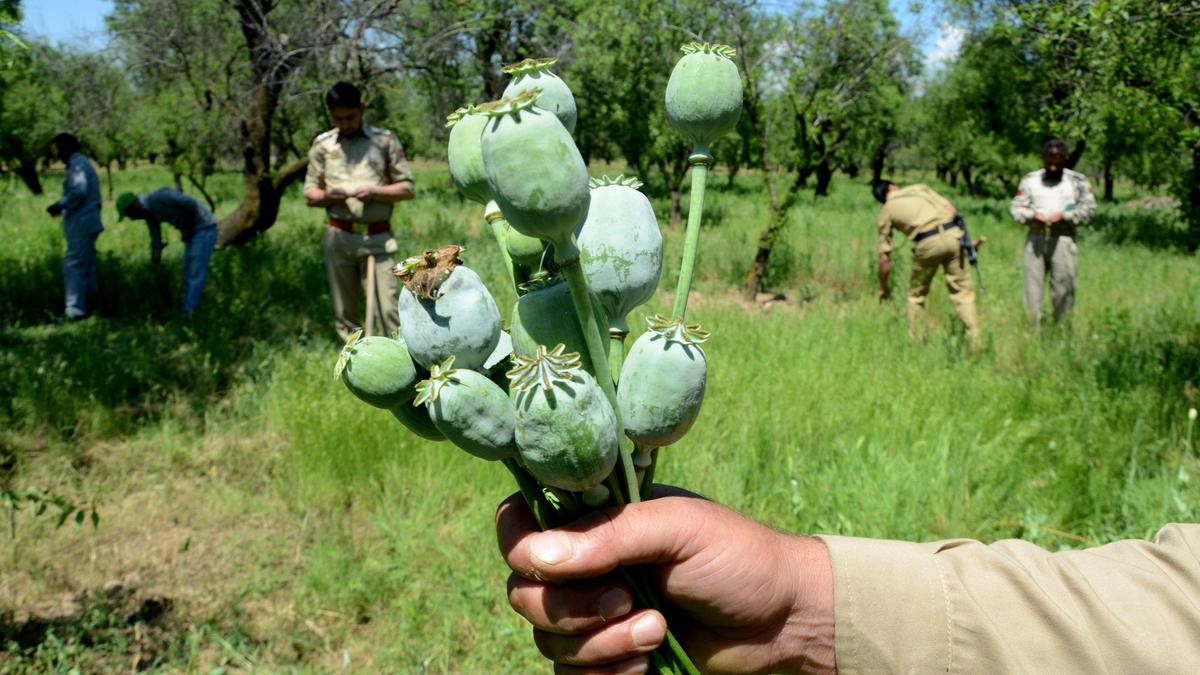
In a protest at Jantar Mantar in New Delhi, opium farmers from Madhya Pradesh, Rajasthan, and Uttar Pradesh called for changes to the opium licensing policy for 2026-27, which is set to be announced in September. The farmers, represented by the Bharatiya Afeem Kisan Sangharsh Samiti, urged the government to increase the number of opium licenses and raise the price of opium procured by the government to ₹1,00,000 per kilogram, matching the international market price.
The farmers also demanded the reinstatement of opium leases that were cancelled since 1990, allowing the cultivation of opium to expand further. They argued that opium leases should be granted based on a morphine yield of three kilograms per hectare, as the morphine content is determined by natural factors beyond the farmers' control.
The farmers also proposed excluding poppy straws from the Narcotic Drugs and Psychotropic Substances Act, considering them as non-narcotic husks of the poppy plant. They further demanded that the Concentrate of Poppy Straw (CPS) method of opium harvest be abolished and traditional opium cultivation promoted instead.
According to the 2025-26 policy, around 1.21 lakh farmers are eligible for opium cultivation licenses in the three states, a 23.5% increase over the number of licenses issued in the previous year. This expansion is expected to benefit approximately 15,000 additional farmers who will cultivate opium this year. The government stated that it continues to ensure adequate supply of alkaloids for medical and palliative care needs while working to increase processing capacity through indigenous and self-reliant measures.
Written by urgent.news from The Hindu - Sci-Tech's reporting — not their text. Machine-written — may contain errors; check the original before relying on it.