Op-Ed: What’s all the fuss over Simandou?
First bulk carrier cargo represented the birth of an entirely new global supply chain, and the exact moment Western climate strategy defaulted to Chinese dominance, Nicholas Vafeas writes.
The Simandou iron ore project in Guinea, West Africa, has recently drawn significant attention in both the public and professional spheres. In early 2026, the mine's first shipment of high-grade iron ore arrived at a port in China, marking a pivotal moment in the global energy transition. This shipment signified a shift in the supply chain towards a new supplier, China, as Western nations grapple with decarbonising steel production.
Traditionally, the steel industry has relied on lower-grade iron ore, which requires significant amounts of metallurgical coal in traditional blast furnaces, contributing to about 8% of global carbon emissions. To combat this, Western manufacturers have shifted towards "green steel" techniques like Hydrogen Direct Reduced Iron (H-DRI) and Electric Arc Furnaces, but these methods require high-quality, low-silica iron ore, which is rare in the global market.
This leaves out 96% of existing iron ore production, as lower-grade ores would clog these new systems with slag, increasing energy consumption and undermining the environmental benefits.
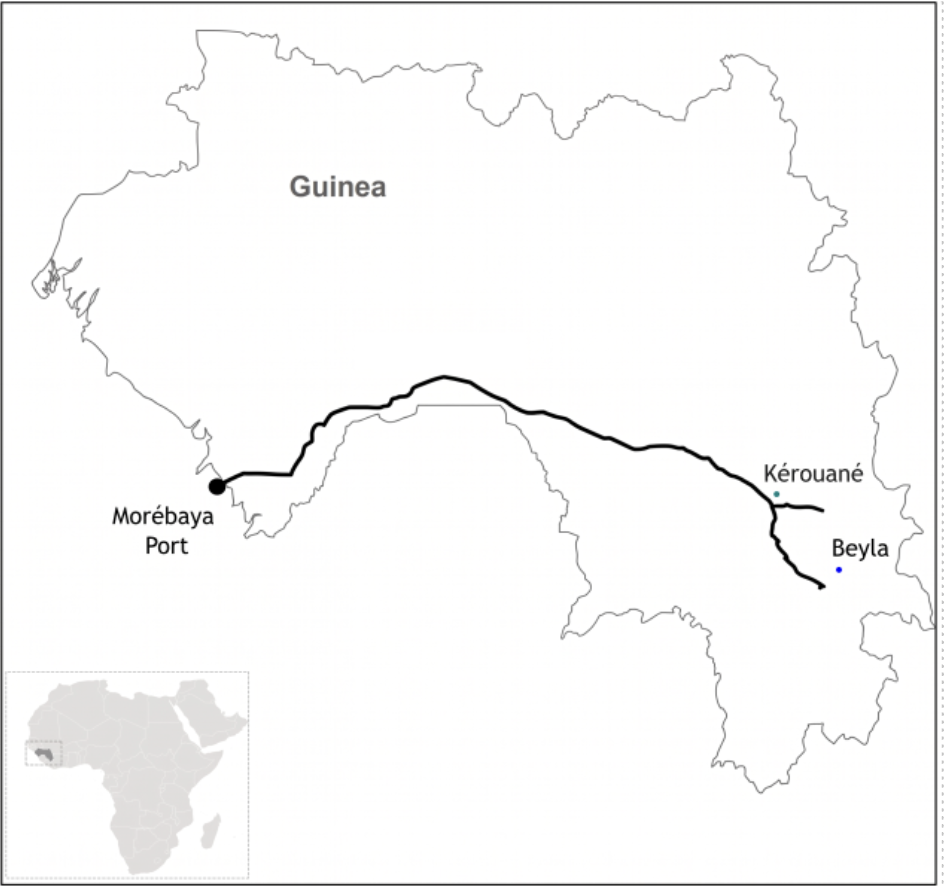
The Simandou mine, located in a 110-kilometre ridge in eastern Guinea, is a rare geological formation with near-pure hematite, possessing over 65% iron content, which makes it suitable for producing green steel. However, accessing this valuable resource required a massive investment of over $20 billion, including an extensive railway network, port infrastructure, and navigating complex regional politics.
Chinese state-backed companies, such as Baowu and Chinalco, collaborated with Western miners, providing the necessary capital to develop this infrastructure. This partnership has resulted in more than just a new iron ore mine; it represents a strategic geopolitical move. The rail network not only supplies Simandou directly to Chinese industrial centers but also serves as a domestic passenger railway, demonstrating the project's broader regional importance.
By securing funding for this heavy railway project, China has achieved three key objectives: securing a reliable source of high-grade iron ore to reduce its dependency on seaborne supply chains from Australia and Brazil, gaining a significant stake in green steel manufacturing, and establishing long-term influence in the infrastructure connecting Guinea's mineral-rich regions to global markets.
This situation highlights a crucial flaw in current Western climate policies, which have primarily focused on decarbonising domestic industries while neglecting the critical need for secure raw materials to support the transition. Simandou serves as an example of the complex infrastructure and geology required to support the energy transition, underscoring the necessity for Western governments to invest in heavy engineering and mineral extraction abroad, rather than solely concentrating on domestic high-tech manufacturing.
Written by urgent.news from Mining.com's reporting — not their text. Machine-written — may contain errors; check the original before relying on it.