One neutral rate estimate suggests Fed’s policy stance is accommodative, paper says
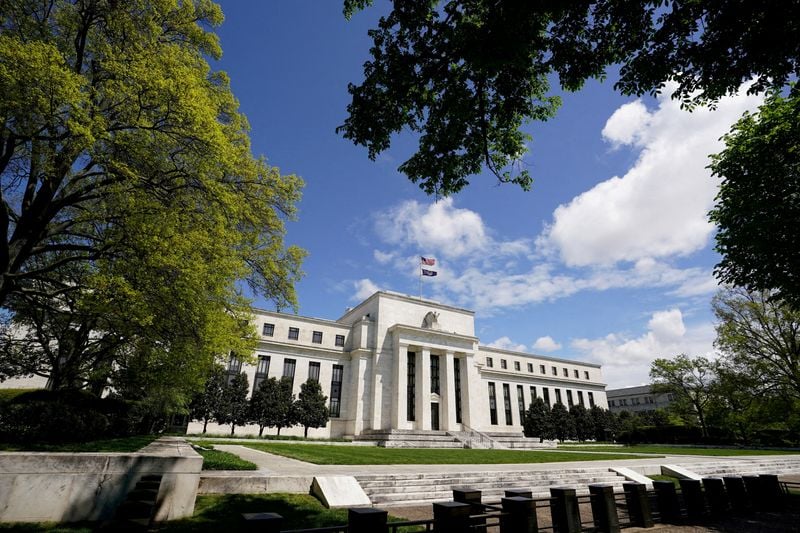
The Federal Reserve's current policy rate, according to research by the San Francisco Fed, likely falls within an accommodative range when compared to a medium-term estimate of the neutral rate. This medium-run neutral rate is the point at which borrowing costs neither hinder nor stimulate the economy. This stands in contrast to most U.S. central bank policymakers who believe policy is currently restrictive or possibly neutral.
Additionally, it conflicts with the long-run neutral rate estimates from the Fed, which suggest the current benchmark interest rate range of 3.50%-3.75% is half a percentage point above the neutral setting. However, using a longer-run neutral-rate estimate might not yield the most optimal economic outcomes compared to rules based on a medium-term estimate.
According to Vasco Curdia, a research advisor at the San Francisco Fed, applying this medium-run neutral-rate metric could better stabilize inflation and achieve maximum employment than standard benchmarks. As of August 2026, the medium-run real natural rate estimate suggests the monetary policy is accommodative. Nonetheless, it's crucial to remember the high uncertainty surrounding this estimate.
The medium-term neutral-rate metric used in the paper indicates the current policy rate target is half to three-quarters of a percentage point below the level that would enable the economy to operate at full capacity without slowing it down. Typically, Fed policymakers rely on neutral rate estimates to gauge whether policy is too tight or too loose and to decide whether to increase or decrease interest rates.
However, most monetary policy rules incorporate a longer-run neutral rate estimate, which tends to be relatively stable. Policymakers may also consider short-run neutral rate estimates when discussing rate appropriateness, although these estimates are notoriously volatile.
Written by urgent.news from Investing.com's reporting — not their text. Machine-written — may contain errors; check the original before relying on it.