One counsellor for 500 students outdated, says child psychiatrist
KUALA LUMPUR: Malaysia’s current ratio of one school counsellor for every 500 students is outdated and should be reviewed as schools face increasingly complex mental health and behavioural challenges, a child psychiatrist said.
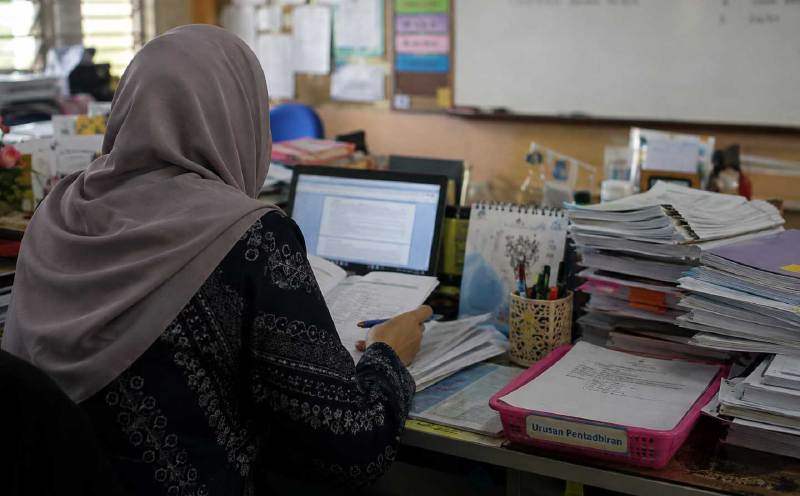
Malaysia's current school counsellor-to-student ratio of one for every 500 students is outdated and in need of review, according to child psychiatrist Dr Rozanizam Zakaria. The psychiatrist, who works at the International Islamic University Malaysia, argues that schools need more robust mental health support rather than solely relying on teachers to identify and manage students' psychological issues.
Zakaria contends that the present ratio is insufficient given the increasing complexity of mental health and behavioral challenges in schools. He suggests increasing the number of counsellors, raising their entry qualifications to a master's degree, and providing regular training to enhance their skills. He also proposes placing educational and clinical psychologists at state or district education offices to offer professional supervision and support to school counsellors.
The Education Ministry is well aware of the counsellor shortage; in 2024, they acknowledged the issue and have yet to meet their target ratio of one counsellor to every 250 students. Zakaria advocates for a top-down approach to support counsellors, including allocating positions for educational psychologists and clinical psychologists at state education offices or district levels to oversee and assist these professionals.
While he acknowledges the crucial role of teachers in detecting behavioral and emotional changes in students, Zakaria emphasizes the importance of empowering these educators with the necessary knowledge and tools to effectively fulfill their roles. He suggests a coordinated system where cases involving aggression, withdrawal, bullying, or severe emotional distress first involve teachers, who then escalate concerns to counsellors, school administrators, parents, and health facilities if necessary.
Drawing from international best practices, Zakaria recommends focusing on prevention, threat assessment, counselling, and early intervention, while avoiding heavy-handed measures such as increased police presence or zero-tolerance expulsions. He believes the ultimate aim is to assist at-risk students before any violence occurs, rather than merely punishing or criminalizing them.
Zakaria stresses that success hinges on adequate training, consistent implementation, and involving students, parents, and communities, rather than simply implementing new rules on paper. He also stresses the need to tailor responses to local needs and the country's sociocultural context.
Written by urgent.news from New Straits Times's reporting — not their text. Machine-written — may contain errors; check the original before relying on it.