Once plagued by elephant raids, Assam village now grows grass & fruits for wild herds
In Hatikhuli-Ronghang village, a remarkable relationship with wild elephant herds has blossomed. By establishing dedicated feeding zones, the community effectively reduces crop damage and tackles food shortages along traditional elephant migration routes. This transformation has allowed farmers to resume paddy cultivation, fostering a newfound harmony between humans and elephants. The Hati Bondhu…
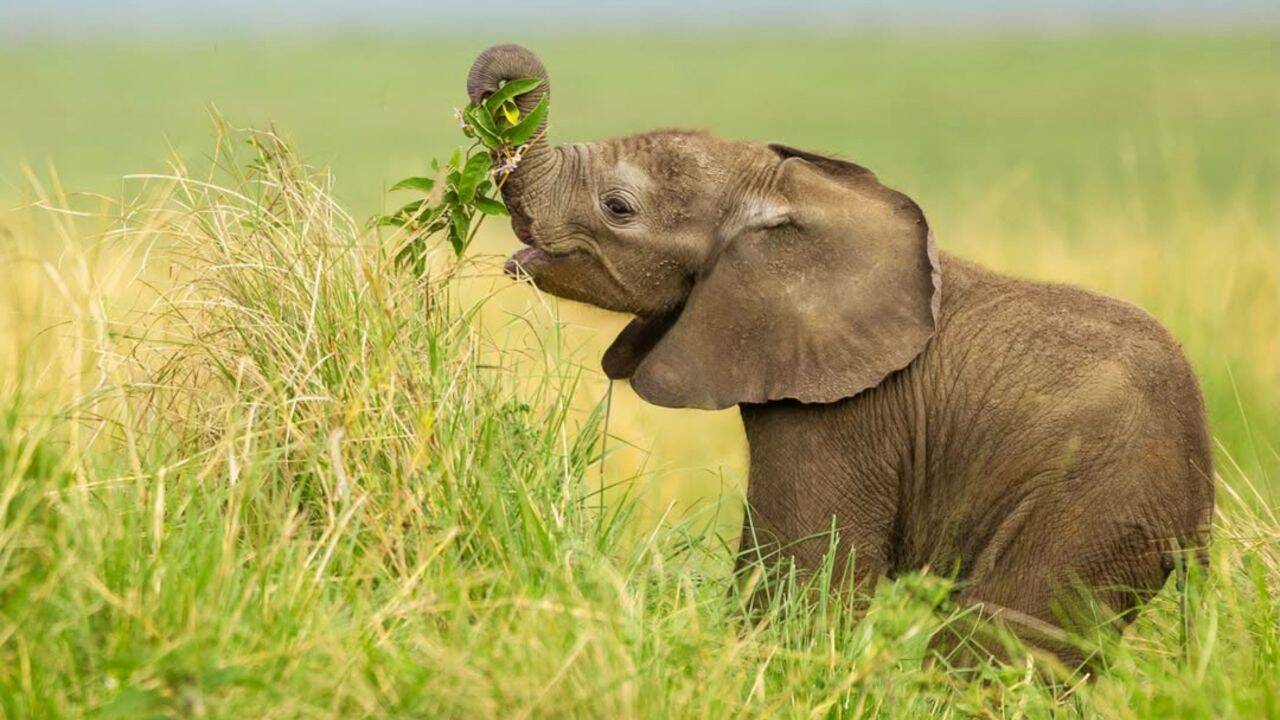
Hatikhuli-Ronghang, a village located along the Nagaon–Karbi Anglong border, has transformed its relationship with wild elephants from one of fear to one of cooperation. For years, the village faced frequent elephant raids on their paddy fields, causing significant damage to their crops. However, the villagers have taken a unique approach to coexist peacefully with the elephants.
The community-led conservation initiative, known as Hati Bondhu (Friends of Elephants), was founded by environmentalist Pradip Kumar Bhuyan and conservationist Binod Dulu Bora. The main goal of Hati Bondhu is to understand why elephants enter the farmers' fields and address their food shortage issue caused by the shrinking habitat along their traditional movement routes.
To achieve this, villagers have started growing grass, paddy, and fruit crops specifically for the elephants. By planting Napier grass, tiger broom grass, jackfruit, and elephant apple, they provide the elephants with a safe and alternative source of food. This initiative has transformed Hatikhuli into an elephant feeding ground, where the animals can find food without disturbing the farmers' fields.
The transformation is remarkable, as farmers who once abandoned paddy cultivation due to repeated elephant raids are now safely harvesting their crops again. Over 800 bighas (approximately 266 acres) of land in the region have been converted into elephant feeding areas, resulting in a significant reduction in human-elephant conflict.
Visiting Hatikhuli offers more than just a wildlife safari. It provides an opportunity to witness the community's transformation in their relationship with elephants. Local conservation volunteers can explain how elephant routes are identified, why specific grasses and fruits are planted, and how feeding areas help protect agricultural fields. This experience allows visitors to understand conservation efforts from the perspective of the people who live alongside wild elephants.
The best time to visit Hatikhuli is during August to December when elephant activity is at its peak due to the availability of cultivated food and the post-monsoon landscape. The village can be reached by air through Lokpriya Gopinath Bordoloi International Airport in Assam, or by train via Guwahati Railway Station and Kamakhya, followed by a road journey to the Nagaon/Karbi Anglong region.
Written by urgent.news from Times of India's reporting — not their text. Machine-written — may contain errors; check the original before relying on it.