NST Leader: Of Tabung Haji and 'bleeding assets'
TABUNG Haji is defending its loss-making investment in Great Minster House in the United Kingdom while property experts are questioning its “low” returns.
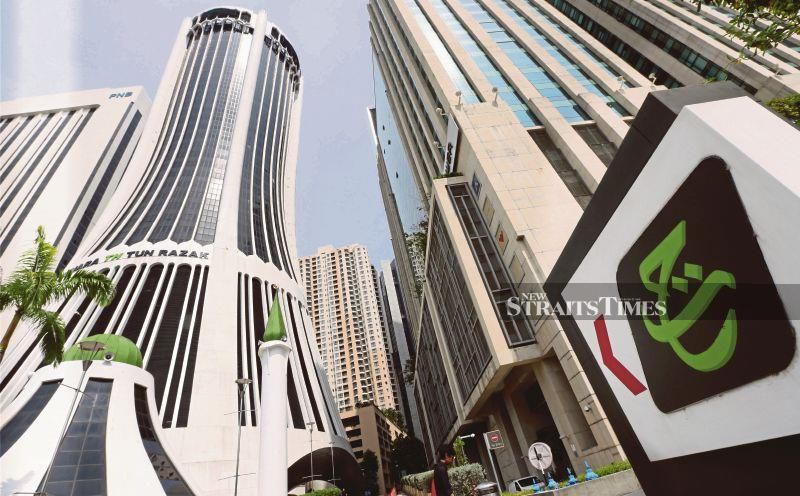
NST Leader raises concerns over Tabung Haji's investment in Great Minster House, a property in the UK, amid accusations of bleeding assets. Property experts question the low returns on this investment, which isn't the only property Tabung Haji holds in the UK. This exposure to currency movements and property prices in a single market raises concerns.
The Tabung Haji chairman, Tan Sri Abdul Rashid Hussain, describes the portfolio as a legacy issue that's bleeding the organization. He emphasizes the urgent need to address the issue. The focus should be on acknowledging the problem rather than debating whether the investment was wrong, since property values fluctuate, currencies move and interest rates change.
The organization defends its investment, stating it adhered to syariah-compliant processes and the investment was profitable overall, despite losses. However, there are questions about how the RM1.32 billion was assessed before the deposit was made. The investment committee should have stress-tested the downside, considering rising property yields, currency movements, and other risks before committing over RM1 billion to a single overseas asset.
The investment committee must also balance investment performance with governance, ensuring it wasn't merely a poorly governed profitable investment. Tabung Haji manages billions of dollars in deposits, and its investment decisions demand transparency and accountability. The organization should provide greater disclosure on major investments, not necessarily to second-guess every decision, but to inform depositors and the public about what was known, what risks were considered, and why the investment was deemed worthwhile.
The Malaysian Anti-Corruption Commission (MACC) is investigating, looking beyond investment losses to corruption, forged documents, false representations, abuse of power, and criminal breach of trust.
Written by urgent.news from New Straits Times's reporting — not their text. Machine-written — may contain errors; check the original before relying on it.