Not every AI-in-education tale is a horror story. How the world’s leading education company makes AI that’s actually useful for students
Most of the AI industry treats a model’s ability to answer questions as a basic measure of progress. That standard becomes less useful when the goal is learning. In education, an answer can be factually correct and still fail the student because it gives away too much or solves a problem without helping the learner understand it. Pearson has spent the past three years confronting that problem.…
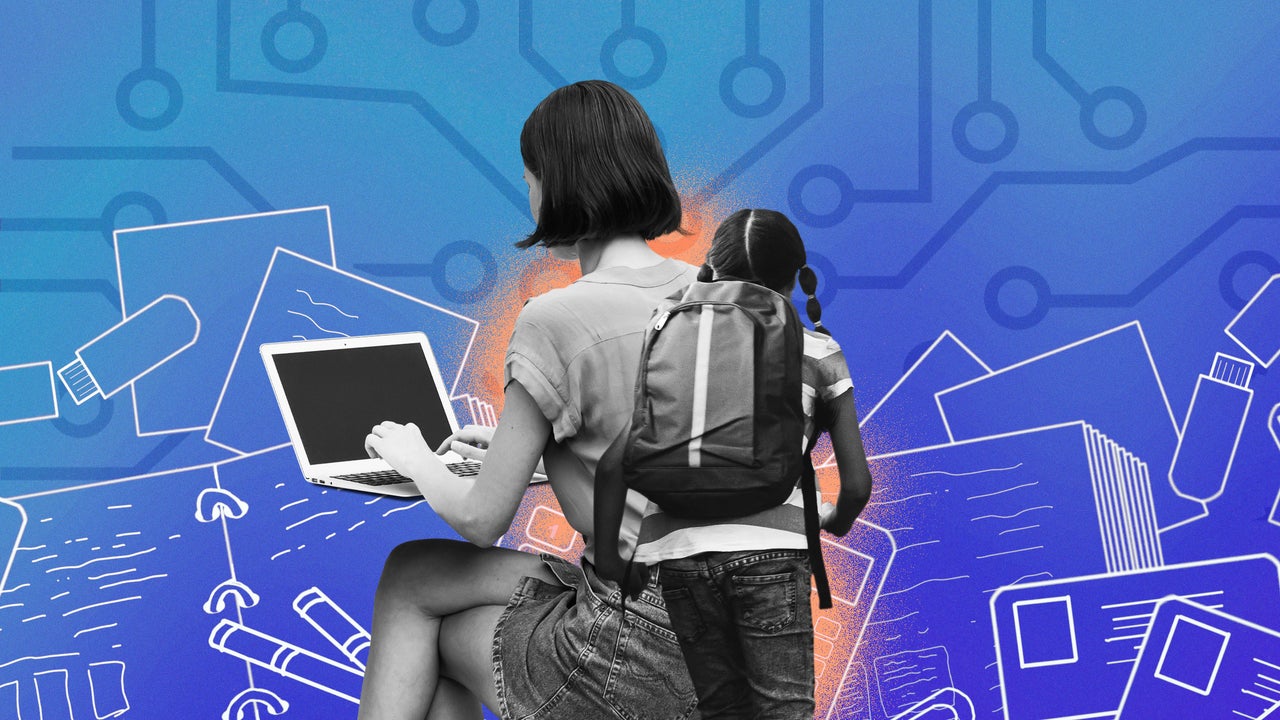
Unlike many AI companies that focus solely on a model's ability to answer questions, Pearson, a leading education company, understands that true learning value comes from more than just factual accuracy. The company has spent three years refining its approach to AI in education, emphasizing that model capability alone does not guarantee a product's effectiveness.
CEO Omar Abbosh explains that Pearson's products are grounded in learning science and academically strong by design, with customers who trust the company's deep understanding of how people learn.
Pearson has integrated AI into products used by millions of learners, including its MyLab and Mastering courseware platforms for U.S. higher education and an AI-powered math tutor for the GED. The company also offers AI study tools through its tuition-free online K-12 school, Connections Academy. In 2023, Pearson began embedding generative AI across its entire product portfolio and established an AI Centre for Enablement in 2025 to oversee governance, security, and evaluation of these technologies.
The company's technology stack includes Amazon Bedrock, Microsoft, Google Cloud, and IBM watsonx, allowing teams to leverage multiple models and cloud platforms. By combining these tools with its own proprietary content and decades of learner data, Pearson develops products tailored to specific educational settings.
Abbosh emphasizes that while AI models continue to improve, Pearson treats them as just one component of a larger learning system. The company's core assets lie in its expertise in learning science, academic content, and the data generated by millions of learners. This data helps identify student struggles, revisit concepts, and track performance changes over time, informing adjustments to AI-powered learning experiences.
Pearson has learned that model capability alone is not enough. In one example, the company initially expected its AI-powered Smart Lesson Generator to help teachers prepare lessons more quickly. However, teachers began using it during class to modify materials in real time based on students' level, pace, and interests. Pearson responded by restructuring the pipeline so teachers could generate smaller activities more quickly and iterate during a lesson. This kind of user feedback can persist even as the underlying models evolve.
To avoid over-reliance on a single AI provider, Pearson uses models from Amazon Web Services, Microsoft, Google, and IBM. The company selects more powerful models for demanding tasks and smaller models or traditional machine learning for others. Abbosh notes that as leading AI models become more similar in capability, flexibility in choosing different models will remain crucial.
The broader question for enterprise AI is what remains proprietary when models become easier to swap. Some experts argue that leading companies' advantages will stem from their records of how they make decisions, not just the data they use. These insights about business decisions can't be quickly purchased. Even with access to a powerful AI model, a campus still needs specialized education software that integrates with learning management systems and offers training for instructors.
Written by urgent.news from Fast Company's reporting — not their text. Machine-written — may contain errors; check the original before relying on it.