North-South Expressway needs a revamp
When traffic demand exceeds the road capacity, telling motorists to drive better is not a solution.
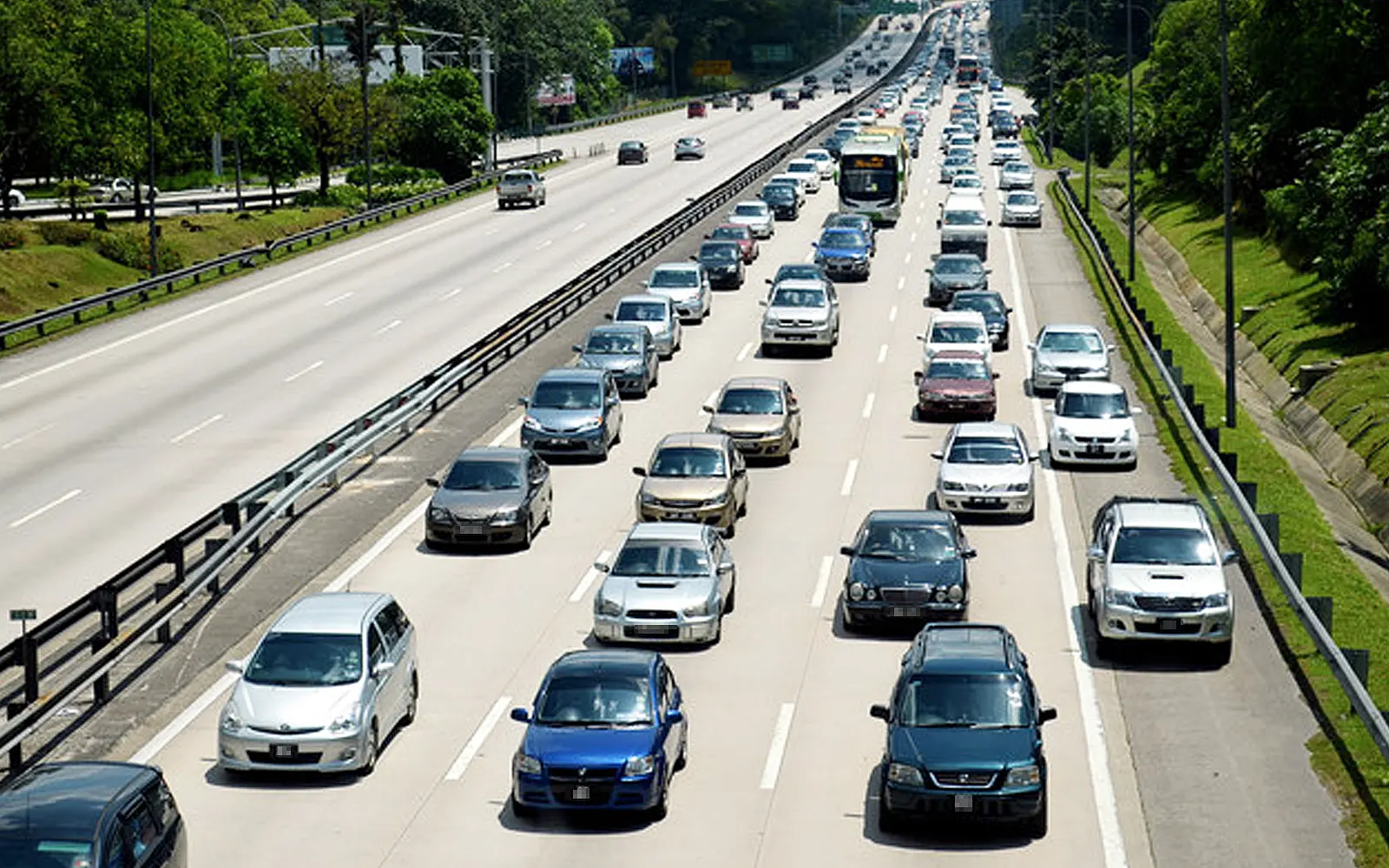
A recent journey along the North-South Expressway (NSE) in Ipoh prompted an assessment of the highway's performance and capacity. The observations of the traffic conditions were eye-opening, revealing that the NSE is no longer capable of handling the traffic it was designed for. The expressway, initially constructed as a four-lane highway from Jalan Duta to the Rawang interchange, now struggles with heavy traffic, often forcing vehicles to rely on the emergency lane exclusively.
The current advisory system, which dictates lane usage and speed, has been implemented but is not enough to address the issue. The main problem lies in the lane configuration; the three-lane stretch at the Rawang interchange has become a chokepoint, with heavy vehicles and cars mixed together causing significant delays. When a heavy vehicle overtakes, it can significantly slow down the traffic, forcing cars to switch lanes, which can be dangerous, especially at higher speeds.
The situation worsens beyond the Trolak interchange, where the expressway reverts to a two-lane highway, a design decision made more than three decades ago. This reduction in lanes has made the NSE inadequate for today's traffic demands. The NSE now carries a large volume of traffic, including heavy vehicles, buses, and commercial traffic, reflecting the growth of manufacturing, distribution, e-commerce, and new developments along the corridor.
The highway's rest areas, too, are not equipped to handle the increased traffic, often leading to overcrowding and potential safety risks. The conclusion is clear: the NSE needs a comprehensive capacity and safety review to meet today's needs as well as future demands over the next 10 to 30 years. This review should prioritize identifying sections that require additional lanes and upgrading rest areas to handle the increased traffic.
Written by urgent.news from Free Malaysia Today's reporting — not their text. Machine-written — may contain errors; check the original before relying on it.
Also reported by 1 other outlet
- North-South Expressway needs a revamp freemalaysiatoday.com