Non-interest bonds could help finance Ghana’s hospitals, roads and schools – Dr Shaibu Ali
What if the next major hospital, school or road in Ghana could be financed not only through government revenue or conventional borrowing, but also through long-term capital mobilised from investors through the capital market?
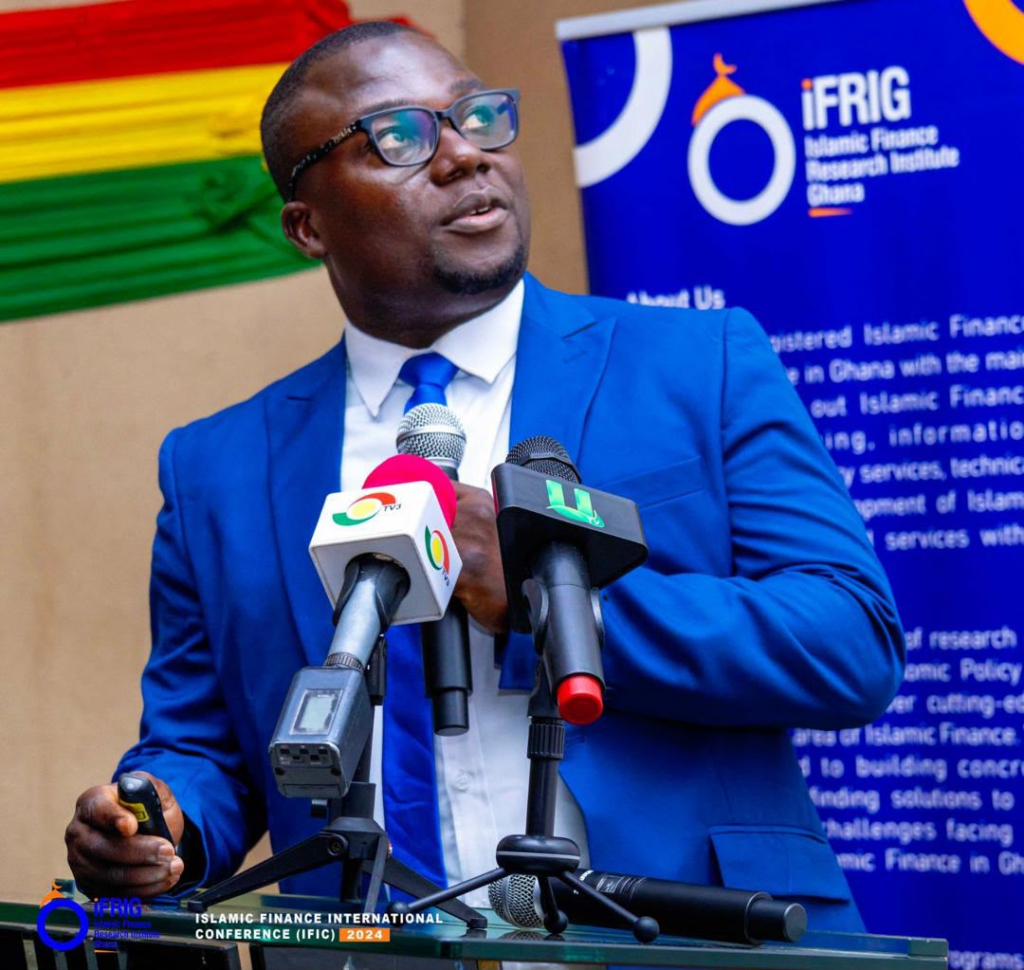
Ghana should look into non-interest bonds, also known as Sukuk, as a way to raise money for important projects like hospitals, roads, and schools, according to Dr. Shaibu Ali, the Director General of the Islamic Finance Research Institute of Ghana (IFRIG Ghana). He believes that Sukuk could help the country attract capital from both local and foreign investors, especially as the government faces increasing financial needs and limited capacity for conventional borrowing.
Speaking to JoyNews, Dr. Ali emphasized that non-interest bonds should be viewed as part of a larger non-interest financial ecosystem, rather than just another banking product. He explained that Sukuk are capital-market instruments that can be structured to finance valuable national assets and attract long-term investment. Dr. Ali stressed that the non-interest financial services industry has grown to about US$4.4 trillion in assets as of 2025, and Ghana can tap into this market with the right regulatory framework, professional expertise, and investment environment.
He suggested that major infrastructure projects, such as hospitals and roads, could be financed through Sukuk. For example, the construction of Agenda 111 hospitals and teaching hospitals could be structured as non-interest bonds to finance their development. Similarly, the proposed Accra–Kumasi Expressway could be partially funded through Sukuk.
He also mentioned that education infrastructure projects, like the construction of new schools, could potentially attract institutional investors seeking long-term investments. Dr. Ali clarified that Sukuk should not be seen as an investment product only for Muslims, but as an opportunity for investors from various backgrounds to participate based on the quality of the asset, risk, return, and credibility of the structure.
He urged Ghana to connect its infrastructure needs with the long-term funds held by pension funds, insurance companies, banks, investment managers, and international investors. However, Dr. Ali warned that Sukuk should not be viewed as a free or quick solution to Ghana's fiscal issues. Investors would still demand credible projects, sound financial structures, transparency, effective risk management, and competitive returns.
For this to succeed, Ghana must build the necessary regulatory and professional capacity to ensure every transaction is credible and attractive to investors. Beyond banking, Dr. Ali encouraged policymakers to develop a broader financial ecosystem that includes Sukuk, investment funds, non-interest insurance (Takaful), and other capital-market products.
He believed that Ghana could become a credible center for non-interest finance in West Africa if it creates a supportive framework and attracts investor confidence. Ultimately, the success of non-interest finance should be measured not just by the number of financial institutions entering the market, but by its contribution to Ghana's national development priorities.
Written by urgent.news from MyJoyOnline Ghana's reporting — not their text. Machine-written — may contain errors; check the original before relying on it.