Nextstrain Aims to Boost Tracking of Virus Evolution
(MedPage Today) -- During the acute phase of the COVID pandemic, Nextstrain became known as a key platform for tracking the evolution of SARS-CoV-2. It took viral genome sequences uploaded to global repositories like GISAID and GenBank and turned...
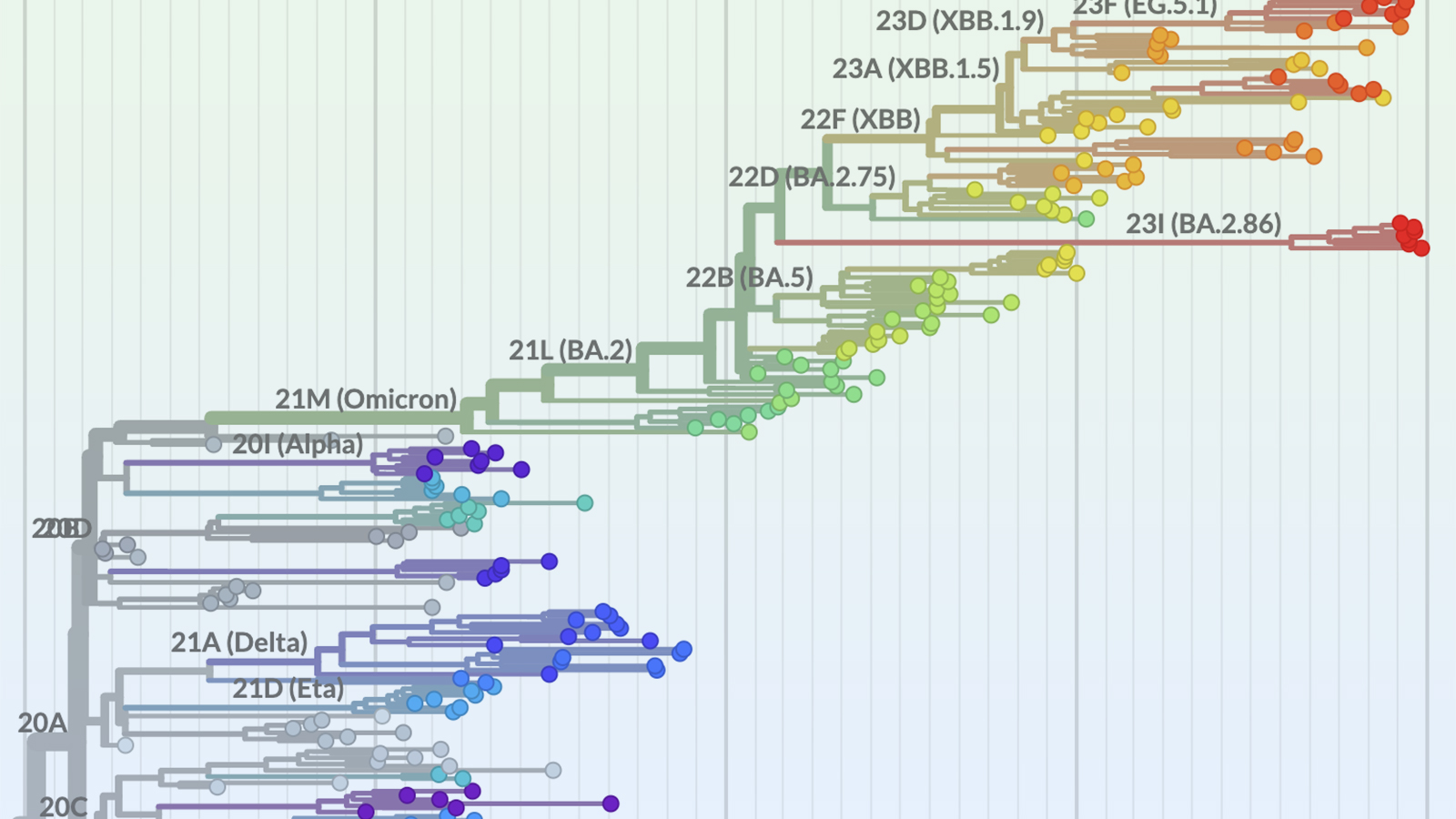
Nextstrain is a genomic epidemiology platform that specializes in hosting phylogenetic analyses of viral evolution and transmission online. During the COVID-19 pandemic, it gained recognition for its role in tracking the evolution of SARS-CoV-2. The platform takes viral genome sequences uploaded to global repositories like GISAID and GenBank and converts them into phylogenetic trees, providing a visual representation of viral evolution.
Nextstrain aims to empower public health professionals by offering tools and pipelines that standardize and reproduce their analyses, making them accessible through the web. This allows for real-time insights into viral spread and evolution, which can be invaluable in ongoing measles outbreaks and global monitoring of diseases like Ebola.
The platform relies on viral researchers and genomic epidemiologists worldwide to generate and share data publicly through various platforms. Nextstrain analyzes this data and makes the resulting analyses publicly available. However, its operations are limited to the extent of data generators' goodwill and sharing among the global community.
Nextstrain collaborates with the Centers for Disease Control and Prevention (CDC), particularly the influenza division, sharing its analyses with public health departments. The CDC, in turn, utilizes Nextstrain tools for various outbreaks, such as measles, Ebola, and hantavirus, maintaining a mutually beneficial relationship.
Public health professionals can benefit from Nextstrain in various ways. Individuals who require a live look at viral patterns can utilize the website, while public health departments with internal data can use the platform for more sophisticated analyses. Additionally, there is a middle group of users who may not possess the bioinformatic expertise or resources to conduct analyses independently. Nextstrain aims to make analyses more accessible for these users by developing tools and resources tailored to their needs.
The platform is always seeking feedback and interactions with users through email, a discussion board, and a discussion forum. They encourage users to reach out via hello@nextstrain.org, and they actively engage with the community to understand their requirements and improve the platform accordingly. Currently, Nextstrain maintains builds for several viral outbreaks, including measles, Ebola, and hantavirus, providing valuable support and resources to various research groups and public health departments worldwide.
Written by urgent.news from MedPage Today's reporting — not their text. Machine-written — may contain errors; check the original before relying on it.