New Premier League rules could see £11bn invested into new stadiums
Alan Sendorek explains why we are seeing a third revolution of football stadium development on these shores. The third football stadium revolution in England is underway. At least two-thirds of Premier League clubs, and a substantial number lower down the pyramid, have either recently completed a major stadium upgrade or have one planned. Everton and [...]
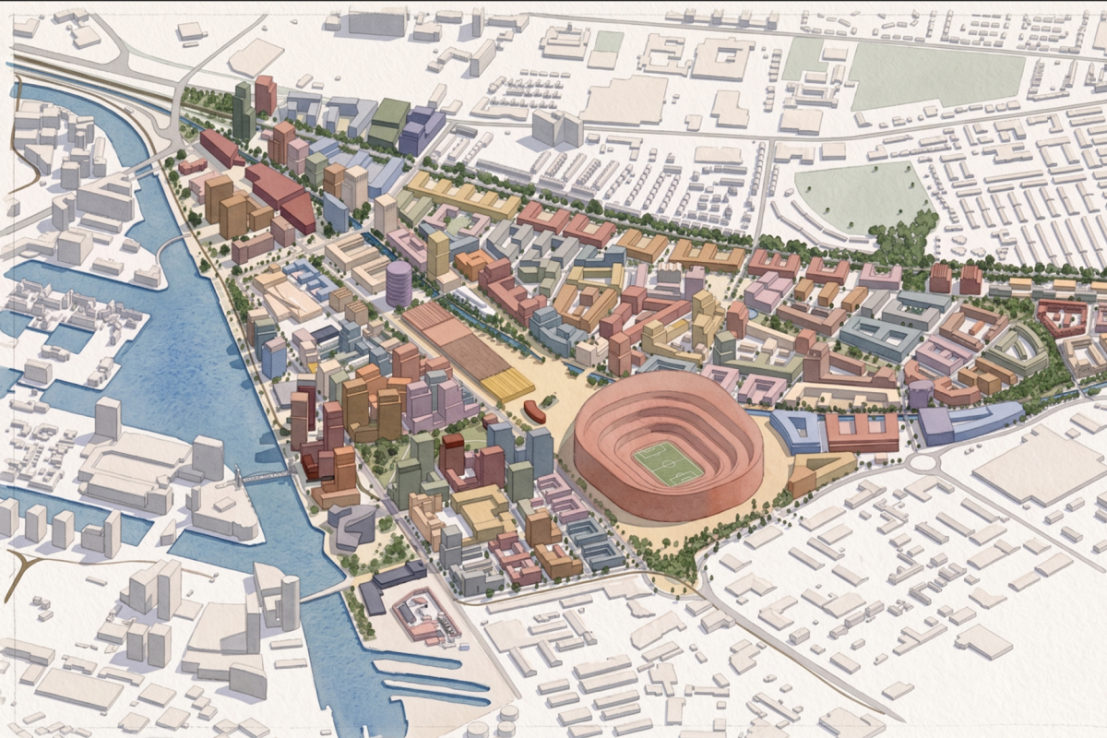
The Premier League is on the brink of a new stadium revolution, with clubs planning to invest a staggering £11bn into new stadiums over the next fifteen years. This marks the third wave of stadium development in England, following earlier waves driven by commercialization and safety regulations following the Hillsborough disaster.
Major clubs like Manchester United, Liverpool, Everton, and Tottenham have already begun or completed stadium upgrades, while others such as Leeds, Aston Villa, Birmingham City, and Luton are expanding their existing grounds. McKinsey estimates that the investment in English stadiums and associated development will reach £11bn in the coming years.
This latest wave of stadium development is driven by financial regulation, specifically Profit and Sustainability Rules (PSR) and Squad Cost Ratios (SCR), which limit spending on infrastructure while excluding it from the overall expenditure calculation. This means that wealthy owners can invest in stadium development to boost future revenues and spending capacity, rather than being restricted by losses.
Clubs must now leverage their stadiums for additional revenue streams, generating income from the property asset 365 days a year through mixed-use developments that include hotels, restaurants, retail, entertainment, and workspace. The intention is to make stadiums profitable assets that contribute to the local economy.
However, the third wave of stadium projects is more complex than previous waves, often resembling major place-based regeneration programs. Successful implementation requires alignment with public sector priorities, as well as navigating regulatory barriers such as approval from the new Independent Football Regulator. The third wave of stadium development represents a significant opportunity for clubs to drive revenue and compete within tighter financial regulations, but it also presents unique challenges that require careful planning and collaboration between private investors and public stakeholders.
Written by urgent.news from City AM's reporting — not their text. Machine-written — may contain errors; check the original before relying on it.