NATO’s Nightmare
The U.S. and Europe have no clear plan for a joint attack from Russia and China.
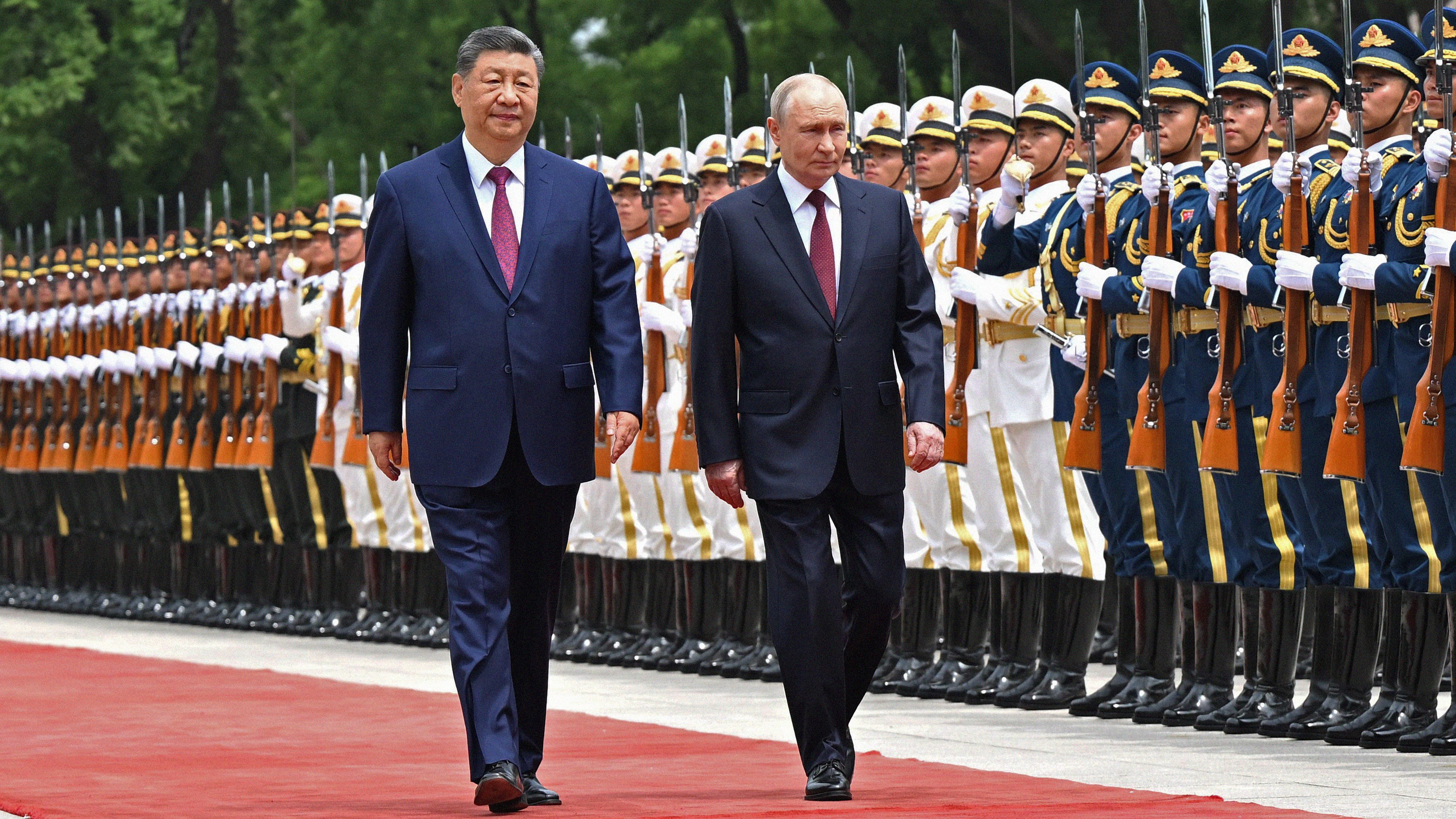
Western military planners seem reluctant to discuss their worst-case scenario, but they agree on how it would begin: Russia targeting a NATO member in Eastern Europe and China simultaneously attacking Taiwan. The U.S. would need to respond on multiple fronts, potentially three if it remains at war in the Middle East. This coordinated attack scenario was once considered too implausible to consider, but it has become a genuine concern for NATO.
In 2018, General Alexus Grynkewich, the top NATO commander in Europe, publicly warned about the risk of a two-front war against Russia and China, urging European allies to help the U.S. prepare. However, experts and strategists are baffled by the lack of preparation for this threat. While Russia has been strengthening its industrial base and drone warfare capabilities, China has become a leader in drone production and has overtaken the U.S. in the number of warships and long-range missiles.
NATO members in Eastern Europe have also faced increased threats from Russian drones and fighter jets. Despite these developments, the West has not taken significant steps to address this risk, with only a few low-profile exercises conducted to analyze the potential outcome. The U.S. remains distracted by the conflict in Iran, and the rift between the U.S. and its allies has widened due to Trump's persistent insults and threats.
As a result, Russia may view the current moment as an opportunity to test NATO's resolve by striking the West in conjunction with a Chinese attack on Taiwan.
Written by urgent.news from The Atlantic's reporting — not their text. Machine-written — may contain errors; check the original before relying on it.