NASA’s Starling Mission Opens New Frontiers in Space Navigation
NASA’s Starling mission has marked another milestone in spacecraft autonomy by using a new system that determines a satellite’s position in orbit by referencing other objects in space, instead of relying on a navigational network. The FALCON (Fast Autonomous Lost-in-space Catalog-based Optical Navigation) technology demonstration is a step toward spacecraft being able to operate more…
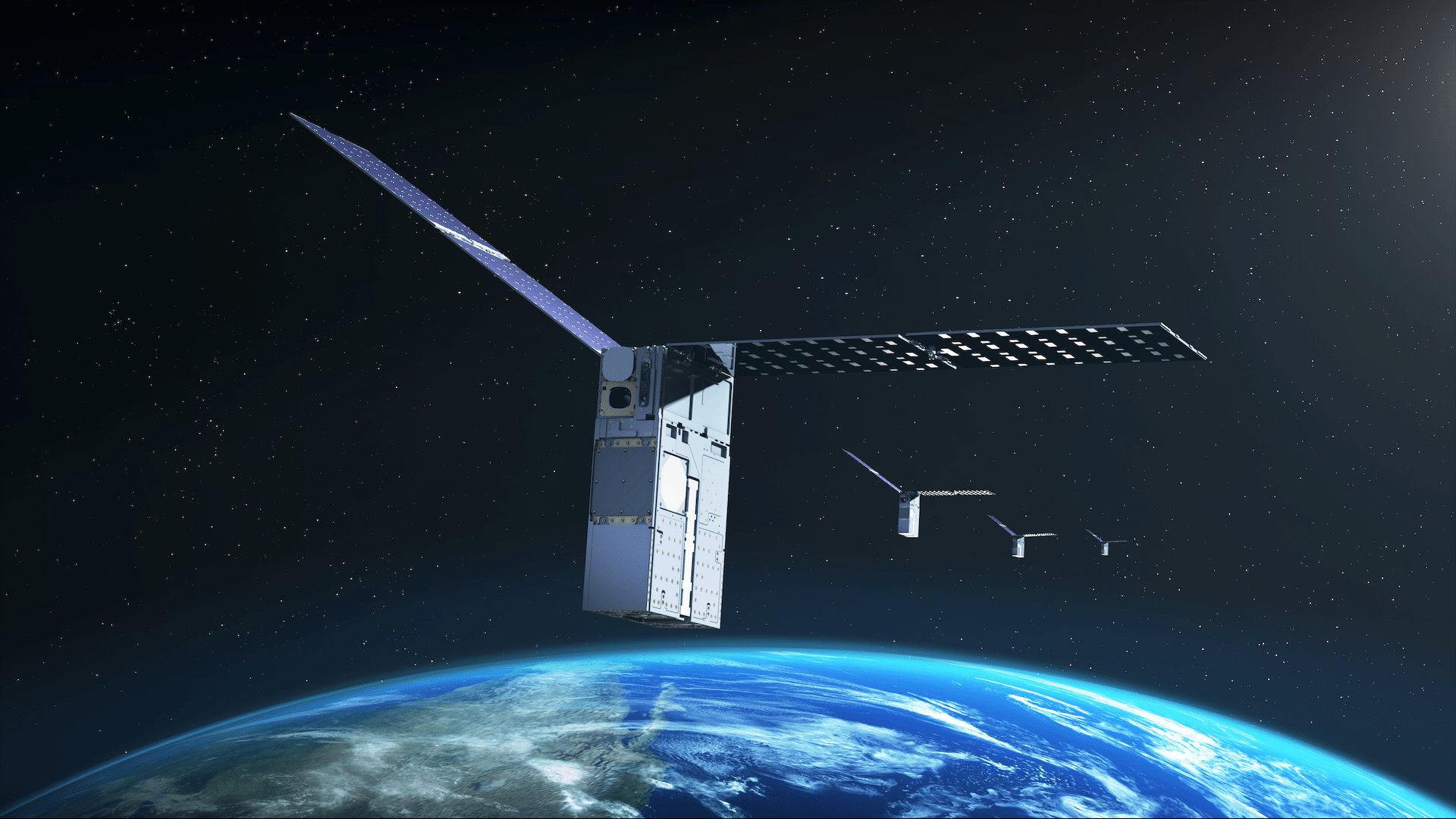
NASA's Starling mission has taken another significant step toward spacecraft autonomy by testing a new system that enables satellites to navigate without relying on GPS signals. The FALCON (Fast Autonomous Lost-in-space Catalog-based Optical Navigation) technology demonstration, a collaboration between NASA and EraDrive, a Stanford University spinoff, showcases the potential for spacecraft to operate more independently in lunar or deep space environments.
Traditionally, satellite navigation has depended on GPS signals, but these can be unreliable or unavailable in such extreme environments. The FALCON payload, featuring EraDrive's Era-Core flight software and Starling's onboard cameras, aims to overcome this challenge by using star tracking for self-orbit determination and updating space object catalogs.
During the mission, FALCON successfully matched observed objects, including other satellites and debris, with a catalog of known space objects. It then utilized these verified objects as reference points to determine Starling's orbit and improve the precision of other space objects' positions. In a three-day period, FALCON refined the orbits of over 200 objects without any ground intervention.
This breakthrough, the first of its kind for spacecraft using optical cameras for navigation, paves the way for GPS-free satellite networks essential for lunar or Martian surface operations, precise measurements in scientific missions, and enhanced space traffic management. NASA's Ames Research Center leads the Starling mission, highlighting the agency's commitment to fostering commercial innovation in space technology.
Written by urgent.news from NASA Science's reporting — not their text. Machine-written — may contain errors; check the original before relying on it.